

The Ultimate Guide to Dialysis: Understanding the Process, Benefits, and Lifestyle Changes

Are you or a loved one struggling with kidney disease? Do you know someone who’s going through dialysis treatment? If so, you’re not alone. According to the National Kidney Foundation, over 30 million Americans are living with kidney disease, and approximately 500,000 people rely on dialysis to stay alive. As a vital treatment for end-stage renal disease (ESRD), dialysis plays a crucial role in filtering waste and excess fluids from the blood when the kidneys are no longer able to perform this function. In this comprehensive guide, we’ll delve into the world of dialysis, exploring the process, benefits, and lifestyle changes that come with it.

What is Dialysis and How Does it Work?

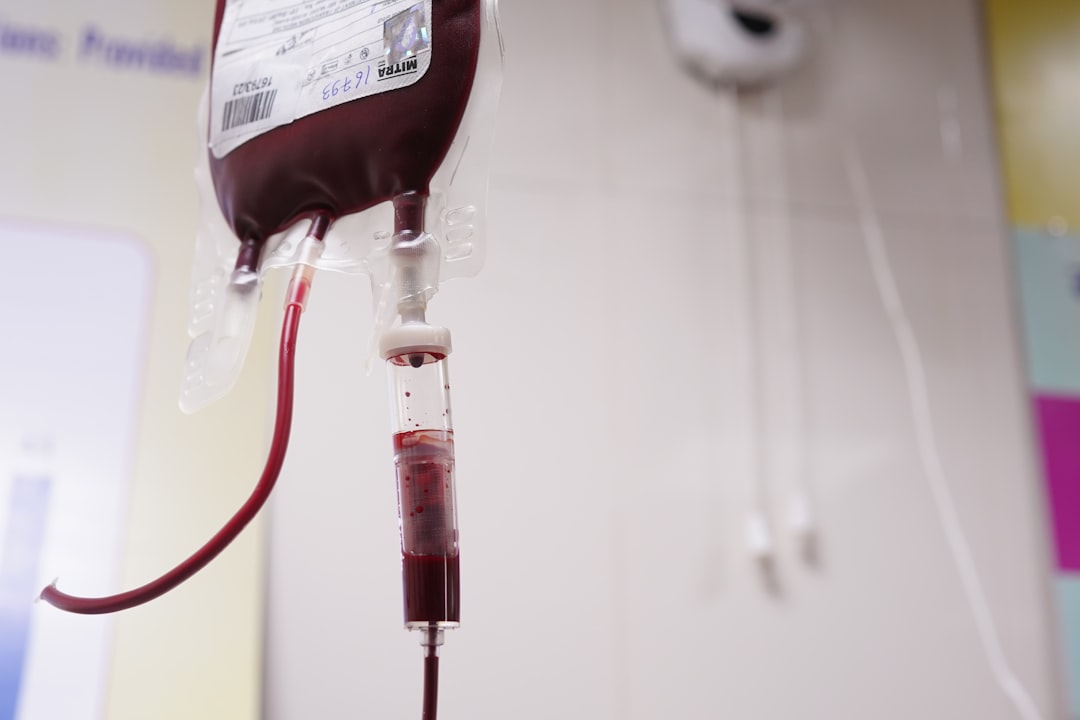
Dialysis is a medical treatment that uses a machine to filter waste products, excess salt, and water from the blood when the kidneys are no longer able to perform these functions. There are two main types of dialysis: hemodialysis and peritoneal dialysis. Hemodialysis involves using a dialyzer, a machine that filters the blood outside the body, while peritoneal dialysis uses the peritoneum, a membrane in the abdomen, as a filter. During dialysis, the machine or the peritoneum removes waste products, such as urea, creatinine, and excess electrolytes, from the blood, helping to regulate the body’s chemistry and maintain overall health.

The dialysis process typically involves several steps, including:

  • Preparation: The patient is prepared for dialysis by having their blood pressure, temperature, and weight checked.
  • Access: The patient’s access site, either a fistula, graft, or catheter, is connected to the dialysis machine.
  • Filtration: The dialysis machine filters the blood, removing waste products and excess fluids.
  • Monitoring: The patient’s vital signs are monitored during treatment to ensure their safety and comfort.
  • Completion: The treatment is completed, and the patient’s access site is disconnected from the machine.
  • Benefits and Risks of Dialysis

    While dialysis is a life-saving treatment, it’s essential to understand the benefits and risks associated with it. The benefits of dialysis include:

  • Improved survival rates: Dialysis can significantly increase the lifespan of individuals with ESRD.
  • Reduced symptoms: Dialysis can help alleviate symptoms such as fatigue, swelling, and shortness of breath.
  • Improved quality of life: Dialysis can enable individuals to maintain their independence and engage in daily activities.
  • However, dialysis also carries some risks, including:

  • Infection: Dialysis access sites can become infected, which can lead to serious complications.
  • Blood clots: Blood clots can form in the access site or the dialysis machine, which can be life-threatening.
  • Fatigue: Dialysis can cause fatigue, which can impact daily life and activities.
  • Dietary restrictions: Individuals on dialysis often require a special diet to manage their condition, which can be challenging to follow.
  • Lifestyle Changes for Dialysis Patients

    Living with dialysis requires significant lifestyle changes, including dietary modifications, exercise routines, and travel planning. A dialysis-friendly diet typically involves:

  • Limiting fluid intake: Individuals on dialysis need to restrict their fluid intake to prevent excess fluid buildup in the body.
  • Eating a balanced diet: A balanced diet that includes plenty of fruits, vegetables, whole grains, and lean protein can help manage kidney disease.
  • Avoiding high-phosphorus foods: Foods high in phosphorus, such as dairy products and processed meats, can be harmful to individuals with kidney disease.
  • Exercise is also essential for dialysis patients, as it can help:

  • Improve cardiovascular health: Regular exercise can help lower blood pressure and improve overall cardiovascular health.
  • Increase energy levels: Exercise can help increase energy levels and reduce fatigue.
  • Maintain muscle mass: Exercise can help maintain muscle mass, which is essential for overall health and well-being.
  • Traveling with dialysis requires careful planning, including:

  • Scheduling dialysis treatments: Individuals on dialysis need to schedule their treatments in advance, ensuring they can receive the necessary care while traveling.
  • Packing essential supplies: Travelers with dialysis need to pack essential supplies, such as medication, access site care materials, and a portable dialysis machine (if necessary).
  • Researching dialysis centers: Travelers should research dialysis centers at their destination, ensuring they can receive the necessary care in case of an emergency.
  • Managing Dialysis-Related Complications

    Dialysis-related complications, such as anemia, bone disease, and cardiovascular disease, can be managed with proper care and attention. Anemia, a common complication of dialysis, can be treated with:

  • Erythropoietin (EPO) therapy: EPO therapy can help stimulate red blood cell production, reducing the risk of anemia.
  • Iron supplements: Iron supplements can help increase iron levels, reducing the risk of anemia.
  • Vitamin supplements: Vitamin supplements, such as vitamin B12 and folate, can help manage anemia.
  • Bone disease, another common complication of dialysis, can be managed with:

  • Calcium and vitamin D supplements: Calcium and vitamin D supplements can help maintain strong bones and prevent bone disease.
  • Phosphate binders: Phosphate binders can help reduce phosphate levels, which can contribute to bone disease.
  • Regular bone density tests: Regular bone density tests can help monitor bone health and detect any potential issues.
  • Conclusion and Key Takeaways

    Dialysis is a life-saving treatment for individuals with end-stage renal disease, offering numerous benefits and requiring significant lifestyle changes. By understanding the process, benefits, and risks of dialysis, individuals can better manage their condition and improve their overall quality of life. Key takeaways from this guide include:

  • Dialysis is a medical treatment that filters waste products and excess fluids from the blood when the kidneys are no longer able to perform this function.
  • There are two main types of dialysis: hemodialysis and peritoneal dialysis.
  • Dialysis requires significant lifestyle changes, including dietary modifications, exercise routines, and travel planning.
  • Managing dialysis-related complications, such as anemia and bone disease, requires proper care and attention.
  • With proper care and attention, individuals with dialysis can lead active, fulfilling lives, engaging in daily activities and maintaining their independence.

As you navigate the world of dialysis, remember that you’re not alone. With the right support, care, and attention, you can manage your condition and thrive. Whether you’re a patient, caregiver, or simply someone looking to learn more about dialysis, this guide has provided you with valuable insights and actionable information to help you on your journey. By prioritizing your health and well-being, you can take control of your life and live a fulfilling, dialysis-friendly lifestyle.

The Urge to Go: Understanding and Managing Frequent Urination

Are you tired of feeling like you’re constantly running to the bathroom? Do you find yourself interrupting meetings, missing out on social events, or waking up multiple times a night to use the restroom? You’re not alone. Frequent urination, also known as urinary frequency, affects millions of people worldwide, causing frustration, discomfort, and a significant impact on daily life. But what causes this pesky problem, and more importantly, how can you manage it? In this comprehensive guide, we’ll delve into the world of frequent urination, exploring its causes, symptoms, and most effective treatments.

Understanding Frequent Urination: Causes and Symptoms

Frequent urination is characterized by the need to urinate more often than usual, typically more than eight times in a 24-hour period. This can be caused by a variety of factors, including:

  • Overactive bladder (OAB): A condition in which the bladder muscle contracts too often, causing a sudden and intense urge to urinate.
  • Urinary tract infections (UTIs): Bacterial infections that can cause irritation and inflammation in the bladder, leading to frequent urination.
  • Diabetes: High blood sugar levels can damage the nerves that control the bladder, leading to frequent urination.
  • Pregnancy: Hormonal changes and pressure on the bladder from the growing uterus can cause frequent urination.
  • Aging: Weakened bladder muscles and a decrease in bladder capacity can contribute to frequent urination.
  • Symptoms of frequent urination may include:

  • Urinary urgency: A sudden and intense need to urinate.
  • Urinary frequency: The need to urinate more often than usual.
  • Nocturia: Waking up multiple times at night to use the restroom.
  • Incontinence: Leaking urine or losing control of the bladder.
  • Lifestyle Changes to Manage Frequent Urination

    While it may seem like a daunting task, managing frequent urination can be achieved through a combination of lifestyle changes and medical treatments. Here are some actionable tips to help you get started:

  • Stay hydrated: Drinking enough water is essential for flushing out bacteria and toxins from the bladder. Aim for at least eight glasses of water a day.
  • Limit irritants: Avoid or limit foods and drinks that can irritate the bladder, such as caffeine, alcohol, and spicy or acidic foods.
  • Exercise regularly: Regular physical activity can help improve bladder control and reduce symptoms of frequent urination.
  • Practice pelvic floor exercises: Kegel exercises can help strengthen the muscles that control the bladder, reducing symptoms of incontinence.
  • Manage stress: High levels of stress can exacerbate symptoms of frequent urination. Try stress-reducing techniques like meditation, deep breathing, or yoga.
  • Medical Treatments for Frequent Urination

    In addition to lifestyle changes, there are several medical treatments available to help manage frequent urination. These may include:

  • Medications: Anticholinergics, beta-3 adrenergic agonists, and topical estrogen creams can help relax the bladder muscle, reduce symptoms of urgency and frequency, and improve bladder control.
  • Bladder training: A behavioral technique that involves gradually increasing the time between trips to the bathroom to help the bladder learn to hold more urine.
  • Neuromodulation: A minimally invasive procedure that involves stimulating the nerves that control the bladder to help improve bladder function.
  • Surgery: In severe cases, surgery may be necessary to repair or remove damaged or diseased tissue in the bladder or urethra.
  • Natural Remedies for Frequent Urination

    While medical treatments can be effective, some people may prefer to try natural remedies to manage frequent urination. Here are some natural remedies that may help:

  • Dietary changes: Incorporating foods that are rich in fiber, such as fruits, vegetables, and whole grains, can help promote bladder health.
  • Herbal supplements: Certain herbs, such as saw palmetto, pumpkin seed, and corn silk, may help reduce symptoms of frequent urination.
  • Acupuncture: This ancient practice involves inserting thin needles into specific points on the body to stimulate healing and relaxation.
  • Biofeedback therapy: A technique that involves using sensors to monitor and control bodily functions, such as bladder contractions, to help improve bladder control.
  • In conclusion, frequent urination is a common problem that can be managed through a combination of lifestyle changes, medical treatments, and natural remedies. By understanding the causes and symptoms of frequent urination, and by taking proactive steps to manage symptoms, you can reduce the impact of this condition on your daily life. Remember to stay hydrated, limit irritants, exercise regularly, and practice pelvic floor exercises to help improve bladder control. If symptoms persist or worsen, consult with your healthcare provider to discuss medical treatment options. With the right approach, you can say goodbye to the constant urge to go and hello to a happier, healthier you.

    Key takeaways:

  • Frequent urination affects millions of people worldwide, causing frustration, discomfort, and a significant impact on daily life.
  • Lifestyle changes, such as staying hydrated, limiting irritants, and exercising regularly, can help manage symptoms of frequent urination.
  • Medical treatments, such as medications, bladder training, and neuromodulation, can be effective in managing frequent urination.
  • Natural remedies, such as dietary changes, herbal supplements, acupuncture, and biofeedback therapy, may also help reduce symptoms of frequent urination.
  • Consulting with a healthcare provider is essential to determine the underlying cause of frequent urination and to develop an effective treatment plan.

The Burning Truth: Everything You Need to Know About Bladder Infections

Are you tired of feeling like you’re stuck in a never-ending cycle of burning sensations, frequent trips to the bathroom, and a general feeling of discomfort? If so, you’re not alone. Millions of people around the world suffer from bladder infections, also known as urinary tract infections (UTIs), every year. But what exactly is a bladder infection, and how can you prevent and treat it? In this comprehensive guide, we’ll delve into the world of bladder infections, exploring the causes, symptoms, diagnosis, and treatment options available.

What is a Bladder Infection?

A bladder infection is a type of urinary tract infection that occurs when bacteria, typically Escherichia coli (E. coli), enter the urinary system and multiply, causing inflammation and irritation. This can lead to a range of uncomfortable symptoms, including a burning sensation while urinating, frequent urination, cloudy or strong-smelling urine, and abdominal pain. Bladder infections can affect anyone, regardless of age or sex, although they are more common in women due to their shorter urethra, which makes it easier for bacteria to enter the bladder.

It’s essential to understand that bladder infections can be acute or chronic. Acute bladder infections are typically caused by a new bacterial infection, while chronic bladder infections are recurring and may be caused by an underlying medical condition or other factors. If left untreated, bladder infections can lead to more severe complications, such as kidney damage or sepsis. That’s why it’s crucial to seek medical attention if you’re experiencing any symptoms of a bladder infection.

Causes and Risk Factors of Bladder Infections

So, what causes bladder infections, and how can you reduce your risk of developing one? There are several factors that can increase your likelihood of getting a bladder infection, including:

  • Poor hygiene: Not wiping properly after using the bathroom or not washing your hands regularly can introduce bacteria into the urinary system.
  • Sexual activity: Engaging in sexual activity can push bacteria into the urethra, increasing the risk of infection.
  • Holding urine: Not urinating regularly or holding urine for extended periods can allow bacteria to multiply in the bladder.
  • Catheter use: Using a catheter can introduce bacteria into the urinary system, particularly if the catheter is not inserted or maintained properly.
  • Underlying medical conditions: Certain medical conditions, such as diabetes, kidney stones, or an enlarged prostate, can increase the risk of developing a bladder infection.
  • To reduce your risk of getting a bladder infection, it’s essential to practice good hygiene, drink plenty of water, and urinate regularly. You should also avoid holding urine for extended periods and wipe properly after using the bathroom. If you’re sexually active, using protection and urinating after sex can also help reduce the risk of infection.

    Diagnosis and Treatment of Bladder Infections

    If you’re experiencing symptoms of a bladder infection, it’s essential to seek medical attention. Your doctor will typically diagnose a bladder infection by:

  • Physical examination: Your doctor will perform a physical examination to check for signs of infection, such as abdominal tenderness or a fever.
  • Urinalysis: Your doctor will test your urine for the presence of bacteria, blood, or other signs of infection.
  • Urine culture: Your doctor may order a urine culture to determine the type of bacteria causing the infection and which antibiotics will be most effective.
  • Once diagnosed, bladder infections are typically treated with antibiotics, which can help eliminate the bacterial infection and alleviate symptoms. In some cases, your doctor may prescribe pain medication or other medications to help manage symptoms. It’s essential to complete the full course of antibiotics as prescribed, even if symptoms improve before finishing the medication.

    In addition to medical treatment, there are several home remedies that can help alleviate symptoms and support the healing process. These include:

  • Drinking plenty of water: Staying hydrated can help flush out bacteria and reduce the risk of complications.
  • Urinating regularly: Urinating regularly can help remove bacteria from the bladder and reduce the risk of infection.
  • Applying heat: Applying heat to the abdomen can help alleviate discomfort and reduce the burning sensation.
  • Avoiding irritants: Avoiding irritants, such as spicy or acidic foods, can help reduce discomfort and alleviate symptoms.
  • Preventing Bladder Infections

    While bladder infections can be treated with antibiotics, prevention is always the best medicine. There are several steps you can take to reduce your risk of developing a bladder infection, including:

  • Practicing good hygiene: Wiping properly after using the bathroom and washing your hands regularly can help reduce the risk of infection.
  • Drinking plenty of water: Staying hydrated can help flush out bacteria and reduce the risk of complications.
  • Urinating regularly: Urinating regularly can help remove bacteria from the bladder and reduce the risk of infection.
  • Avoiding holding urine: Not holding urine for extended periods can help reduce the risk of infection.
  • Wearing loose, breathable clothing: Wearing loose, breathable clothing can help reduce moisture and prevent bacterial growth.
  • By following these tips and taking a proactive approach to bladder health, you can reduce your risk of developing a bladder infection and stay healthy and happy.

    Conclusion and Key Takeaways

    Bladder infections can be uncomfortable and debilitating, but with the right knowledge and treatment, you can alleviate symptoms and prevent future infections. Remember, if you’re experiencing symptoms of a bladder infection, it’s essential to seek medical attention to prevent complications and promote healing.

    The key takeaways from this guide are:

  • Bladder infections are common and can affect anyone: Regardless of age or sex, bladder infections can occur, and it’s essential to be aware of the causes, symptoms, and treatment options.
  • Practicing good hygiene and staying hydrated can reduce the risk of infection: By practicing good hygiene, drinking plenty of water, and urinating regularly, you can reduce your risk of developing a bladder infection.
  • Antibiotics are typically effective in treating bladder infections: If you’re diagnosed with a bladder infection, antibiotics can help eliminate the bacterial infection and alleviate symptoms.
  • Prevention is the best medicine: By taking a proactive approach to bladder health, you can reduce your risk of developing a bladder infection and stay healthy and happy.

By following these tips and staying informed, you can take control of your bladder health and reduce the risk of developing a bladder infection. Remember, if you’re experiencing symptoms or have concerns about bladder health, it’s always best to consult with a medical professional for personalized advice and treatment.

The Enlarged Prostate Conundrum: Understanding Benign Prostatic Hyperplasia and Taking Control of Your Health

As men age, they often face a myriad of health concerns that can impact their quality of life. One such issue that affects millions of men worldwide is benign prostatic hyperplasia (BPH), also known as an enlarged prostate. It’s estimated that over 50% of men in their 60s and 80% of men in their 80s will experience some symptoms of BPH. But what exactly is BPH, and how can you manage its symptoms to maintain your overall well-being? In this comprehensive guide, we’ll delve into the world of benign prostatic hyperplasia, exploring its causes, symptoms, diagnosis, treatment options, and lifestyle changes that can help alleviate its effects.

What is Benign Prostatic Hyperplasia?

Benign prostatic hyperplasia is a non-cancerous enlargement of the prostate gland, a small, walnut-sized organ located below the bladder in men. The prostate gland plays a crucial role in the male reproductive system, producing fluids that make up semen. As men age, the prostate gland can become enlarged, putting pressure on the urethra and bladder. This can lead to a range of symptoms, including difficulty starting to urinate, weak urine flow, frequent urination, and nocturia (waking up multiple times during the night to urinate). While BPH is not cancerous, it can significantly impact a man’s quality of life, causing frustration, anxiety, and embarrassment.

Symptoms, Diagnosis, and Stages of Benign Prostatic Hyperplasia

The symptoms of BPH can vary in severity and impact different men in different ways. Some common symptoms include:

  • Difficulty starting to urinate (hesitancy)
  • Weak or interrupted urine flow
  • Frequent urination, especially at night
  • Painful or burning urination
  • Urinary tract infections (UTIs)
  • Blood in the urine
  • To diagnose BPH, your doctor will typically perform a physical exam, review your medical history, and conduct a series of tests, including:

  • Digital rectal exam (DRE)
  • Urine flow test
  • Post-void residual (PVR) test
  • Prostate-specific antigen (PSA) test
  • Ultrasound or imaging tests
  • BPH can be categorized into several stages, ranging from mild to severe. The International Prostate Symptom Score (IPSS) is a widely used system to assess the severity of BPH symptoms. The IPSS takes into account factors such as urinary frequency, nocturia, and the strength of urine flow.

    Treatment Options for Benign Prostatic Hyperplasia

    While there is no cure for BPH, various treatment options are available to manage its symptoms and improve quality of life. These include:

  • Medications: Alpha-blockers, 5-alpha-reductase inhibitors, and phosphodiesterase-5 inhibitors can help relax the muscles in the prostate and bladder, reducing symptoms.
  • Minimally invasive procedures: Transurethral microwave therapy (TUMT), transurethral needle ablation (TUNA), and laser therapy can help reduce prostate size and alleviate symptoms.
  • Surgery: Transurethral resection of the prostate (TURP), open prostatectomy, and laparoscopic prostatectomy are surgical options for more severe cases of BPH.
  • Lifestyle changes: Maintaining a healthy weight, exercising regularly, and avoiding certain foods and beverages can help alleviate BPH symptoms.
  • Lifestyle Changes and Natural Remedies for Benign Prostatic Hyperplasia

    In addition to medical treatment, several lifestyle changes and natural remedies can help manage BPH symptoms. These include:

  • Dietary changes: Eating a balanced diet rich in fruits, vegetables, and whole grains can help reduce inflammation and promote overall health.
  • Exercise: Regular physical activity, such as walking or swimming, can help improve urinary function and reduce symptoms.
  • Stress management: Stress can exacerbate BPH symptoms; practicing stress-reducing techniques like meditation or yoga can help alleviate anxiety and improve overall well-being.
  • Supplements: Certain supplements, such as saw palmetto and pygeum, may help reduce prostate size and alleviate symptoms. However, it’s essential to consult with your doctor before adding any supplements to your regimen.
  • Conclusion and Key Takeaways

    Benign prostatic hyperplasia is a common health concern that affects millions of men worldwide. While it can significantly impact quality of life, various treatment options and lifestyle changes are available to manage its symptoms. By understanding the causes, symptoms, and diagnosis of BPH, men can take control of their health and alleviate the effects of this condition. Key takeaways include:

  • BPH is a non-cancerous enlargement of the prostate gland that can cause urinary symptoms.
  • A range of treatment options, including medications, minimally invasive procedures, and surgery, are available to manage BPH symptoms.
  • Lifestyle changes, such as dietary modifications, exercise, and stress management, can help alleviate symptoms and improve overall health.
  • Consult with your doctor to determine the best course of treatment and develop a personalized plan to manage your BPH symptoms.

Remember, if you’re experiencing symptoms of BPH, don’t hesitate to consult with your doctor. With the right treatment and lifestyle changes, you can take control of your health and maintain your overall well-being.

Uncovering the Mystery of Hematuria: A Comprehensive Guide to Blood in Urine

Are you experiencing an alarming sight in the bathroom – blood in your urine? Don’t panic just yet! Hematuria, the medical term for this condition, is more common than you think. In fact, it affects millions of people worldwide, and in most cases, it’s not a cause for concern. However, it’s essential to understand the underlying causes, symptoms, and treatment options to ensure your overall health and well-being. In this article, we’ll delve into the world of hematuria, exploring its types, causes, diagnosis, and treatment, as well as providing valuable tips for prevention and management.

What is Hematuria?

Hematuria is a medical condition characterized by the presence of blood in the urine. It can be microscopic, meaning that the blood is only visible under a microscope, or gross, which is when the blood is visible to the naked eye. The condition can be further classified into two main types: glomerular and non-glomerular hematuria. Glomerular hematuria occurs when the blood originates from the glomeruli, the filters in the kidneys that remove waste and excess fluids from the blood. Non-glomerular hematuria, on the other hand, is caused by bleeding from other parts of the urinary tract, such as the kidneys, ureters, bladder, or urethra.

Causes and Risk Factors of Hematuria

So, what causes hematuria? The answer is not straightforward, as there are numerous potential causes, ranging from mild to severe. Some of the most common causes of hematuria include:

  • Urinary tract infections (UTIs)
  • Kidney stones
  • Bladder or kidney cancer
  • Inflammatory diseases, such as interstitial cystitis or prostatitis
  • Trauma to the urinary tract
  • Certain medications, such as blood thinners or aspirin
  • Family history of hematuria or kidney disease
  • It’s essential to note that some people may be more prone to developing hematuria due to underlying medical conditions, such as high blood pressure, diabetes, or sickle cell disease. Additionally, certain lifestyle factors, such as smoking or excessive alcohol consumption, can increase the risk of developing hematuria.

    Diagnosis and Treatment of Hematuria

    If you’re experiencing hematuria, it’s crucial to seek medical attention to determine the underlying cause. Your doctor will likely start by conducting a physical examination, taking a thorough medical history, and ordering diagnostic tests, such as:

  • Urinalysis to check for blood, protein, or other abnormalities in the urine
  • Imaging tests, such as ultrasound, CT scan, or MRI, to visualize the urinary tract
  • Cystoscopy to examine the bladder and urethra
  • Biopsy to rule out cancer or other conditions
  • The treatment for hematuria depends on the underlying cause. In some cases, the condition may resolve on its own, while in other cases, medical or surgical intervention may be necessary. For example, if the cause is a UTI, your doctor may prescribe antibiotics to clear up the infection. If the cause is a kidney stone, your doctor may recommend pain management, hydration, and possibly surgery to remove the stone.

    Prevention and Management of Hematuria

    While hematuria can be unpredictable, there are steps you can take to reduce your risk of developing the condition. Here are some valuable tips:

  • Stay hydrated by drinking plenty of water to help flush out bacteria and other substances that can cause UTIs
  • Practice good hygiene, such as wiping correctly and washing your hands after using the bathroom
  • Avoid smoking and excessive alcohol consumption, which can increase the risk of hematuria
  • Manage underlying medical conditions, such as high blood pressure or diabetes, to reduce the risk of kidney damage
  • Get regular check-ups with your doctor to monitor your overall health and catch any potential issues early
  • In addition to these prevention strategies, there are also ways to manage hematuria if you’re experiencing it. For example, if you have a UTI, you can try using a heating pad to relieve discomfort, or taking over-the-counter pain medication to manage symptoms.

    In conclusion, hematuria is a common medical condition that can be caused by a variety of factors. While it can be alarming to see blood in your urine, it’s essential to remain calm and seek medical attention to determine the underlying cause. By understanding the causes, symptoms, and treatment options, you can take control of your health and well-being. Remember to stay hydrated, practice good hygiene, and manage underlying medical conditions to reduce your risk of developing hematuria. If you’re experiencing hematuria, don’t hesitate to reach out to your doctor for guidance and support. With the right diagnosis and treatment, you can overcome hematuria and get back to living a healthy, active life. Key takeaways:

  • Hematuria is a common medical condition characterized by the presence of blood in the urine
  • The condition can be caused by a variety of factors, including UTIs, kidney stones, and cancer
  • Diagnosis and treatment depend on the underlying cause
  • Prevention and management strategies, such as staying hydrated and practicing good hygiene, can reduce the risk of developing hematuria
  • Seeking medical attention is essential to determine the underlying cause and receive proper treatment.

Breaking the Silence: Understanding and Overcoming Male Infertility

Male infertility is a topic often shrouded in silence and stigma, leaving many men feeling isolated and unsure of where to turn. But the truth is, male infertility is a common issue affecting approximately 1 in 5 couples struggling with conception. As we delve into the world of male infertility, it’s essential to acknowledge that it’s not just a woman’s issue, but a joint effort to understand and address the complexities of reproductive health. In this comprehensive guide, we’ll explore the causes, symptoms, diagnosis, and treatment options available for male infertility, empowering you with the knowledge to break the silence and take control of your reproductive well-being.

Understanding Male Infertility: Causes and Risk Factors

Male infertility can be attributed to a range of factors, including lifestyle choices, medical conditions, and environmental influences. Some of the most common causes of male infertility include:

  • Low sperm count or poor sperm quality
  • Varicocele, a condition characterized by swollen veins in the scrotum
  • Infections, such as epididymitis or orchitis, which can damage the reproductive organs
  • Hormonal imbalances, including low testosterone levels
  • Certain medical conditions, like diabetes, cystic fibrosis, or trauma to the testicles
  • Lifestyle factors, including smoking, excessive alcohol consumption, and exposure to toxins
  • It’s crucial to recognize that male infertility can be a symptom of an underlying health issue, making it essential to consult a healthcare professional for proper diagnosis and treatment. By understanding the causes and risk factors associated with male infertility, you can take proactive steps to mitigate these factors and optimize your reproductive health.

    Diagnosing Male Infertility: Tests and Evaluations

    Diagnosing male infertility typically involves a combination of physical examinations, medical history, and specialized tests. Some of the most common diagnostic tests include:

  • Semen analysis, which evaluates sperm count, motility, and morphology
  • Hormone testing, including follicle-stimulating hormone (FSH) and testosterone levels
  • Scrotal ultrasound, which examines the testicles and surrounding tissues
  • Transrectal ultrasound, which evaluates the prostate and seminal vesicles
  • Genetic testing, which identifies potential genetic mutations or abnormalities
  • These tests can help identify underlying issues contributing to male infertility, allowing healthcare professionals to develop a personalized treatment plan. It’s essential to note that male infertility diagnosis is not a one-size-fits-all approach, and a comprehensive evaluation is necessary to determine the underlying cause of infertility.

    Treatment Options for Male Infertility: A Comprehensive Approach

    Fortunately, there are various treatment options available for male infertility, ranging from lifestyle modifications to surgical interventions. Some of the most effective treatments include:

  • Lifestyle changes, such as quitting smoking, reducing alcohol consumption, and maintaining a healthy weight
  • Medications, including hormone replacement therapy or antibiotics to treat underlying infections
  • Assisted reproductive technologies (ART), such as in vitro fertilization (IVF) or intracytoplasmic sperm injection (ICSI)
  • Surgical procedures, including varicocele repair or vasectomy reversal
  • Alternative therapies, such as acupuncture or supplements, which can help improve sperm quality and overall reproductive health
  • It’s essential to work closely with a healthcare professional to determine the most suitable treatment plan for your specific needs. By adopting a comprehensive approach, you can increase your chances of overcoming male infertility and achieving a successful pregnancy.

    Maintaining Reproductive Health: Prevention and Wellness

    Preventing male infertility is often a matter of maintaining overall reproductive health and wellness. Some simple yet effective tips include:

  • Practicing safe sex to prevent sexually transmitted infections (STIs)
  • Avoiding exposure to toxins, such as pesticides or heavy metals
  • Eating a balanced diet rich in fruits, vegetables, and whole grains
  • Exercising regularly to maintain a healthy weight and reduce stress
  • Getting enough sleep and managing stress levels
  • By incorporating these habits into your daily routine, you can reduce your risk of male infertility and promote overall reproductive well-being. Remember, reproductive health is a joint effort, and by working together with your partner, you can build a stronger, healthier foundation for your future family.

    Conclusion: Breaking the Silence and Taking Control

    Male infertility is a complex issue, but it’s not insurmountable. By understanding the causes, symptoms, diagnosis, and treatment options available, you can break the silence and take control of your reproductive health. Remember, male infertility is not a reflection of your masculinity or worth as a person. It’s essential to approach this topic with empathy, compassion, and an open mind, recognizing that reproductive health is a shared responsibility.

    Key takeaways from this comprehensive guide include:

  • Male infertility is a common issue affecting 1 in 5 couples struggling with conception
  • Lifestyle choices, medical conditions, and environmental factors can contribute to male infertility
  • Diagnosing male infertility involves a combination of physical examinations, medical history, and specialized tests
  • Treatment options range from lifestyle modifications to surgical interventions, including ART and alternative therapies
  • Maintaining reproductive health and wellness is essential for preventing male infertility and promoting overall well-being

By embracing this knowledge and taking proactive steps, you can overcome the challenges of male infertility and build a stronger, healthier foundation for your future family. Break the silence, take control, and start your journey towards reproductive wellness today.

Unlocking the Truth About Erectile Dysfunction: Causes, Symptoms, and Solutions

Are you or someone you know struggling with the embarrassing and frustrating condition of erectile dysfunction (ED)? You’re not alone. With over 30 million men in the United States alone experiencing some form of ED, it’s essential to break the silence and delve into the world of erectile dysfunction. In this comprehensive guide, we’ll explore the causes, symptoms, and solutions for ED, helping you regain confidence and intimacy in your relationships.

Understanding Erectile Dysfunction: Causes and Risk Factors

Erectile dysfunction, also known as impotence, is the inability to achieve or maintain an erection sufficient for satisfactory sexual performance. It’s a complex condition that can be caused by a combination of physical, psychological, and lifestyle factors. Some of the most common causes of ED include:

  • Atherosclerosis: The buildup of plaque in the arteries, which can restrict blood flow to the penis, making it difficult to achieve an erection.
  • Diabetes: High blood sugar levels can damage the nerves and blood vessels, leading to ED.
  • Hypertension: High blood pressure can damage the blood vessels, reducing blood flow to the penis.
  • Obesity: Excess weight can lead to a range of health problems, including ED.
  • Smoking: Smoking can damage the blood vessels and reduce blood flow to the penis.
  • Stress and anxiety: Mental health issues can affect a man’s ability to achieve an erection.
  • It’s essential to understand that ED can be a symptom of an underlying health condition. If you’re experiencing persistent ED, it’s crucial to consult with a healthcare professional to rule out any underlying health issues.

    Recognizing the Symptoms of Erectile Dysfunction

    The symptoms of ED can vary from person to person, but common signs include:

  • Difficulty achieving an erection: If you’re having trouble getting an erection, even with stimulation.
  • Difficulty maintaining an erection: If you’re able to get an erection, but struggle to maintain it long enough for satisfactory sexual performance.
  • Reduced libido: A decrease in sex drive or interest in sex.
  • Premature ejaculation: Ejaculating too quickly, often before or shortly after penetration.
  • If you’re experiencing any of these symptoms, it’s essential to seek medical attention. A healthcare professional can help diagnose the underlying cause of your ED and recommend treatment options.

    Treatment Options for Erectile Dysfunction

    Fortunately, there are a range of treatment options available for ED, including:

  • Medications: Oral medications such as sildenafil (Viagra), tadalafil (Cialis), and vardenafil (Levitra) can help improve blood flow to the penis, making it easier to achieve an erection.
  • Lifestyle changes: Making healthy lifestyle changes, such as losing weight, quitting smoking, and reducing stress, can help improve overall health and reduce the risk of ED.
  • Vacuum erection devices: A vacuum device can be used to create an erection by drawing blood into the penis.
  • Penile injections: Injecting medication directly into the penis can help stimulate an erection.
  • Surgery: In some cases, surgery may be necessary to treat ED, such as implanting a penile prosthesis.
  • It’s essential to consult with a healthcare professional to determine the best course of treatment for your ED. They can help you weigh the pros and cons of each option and recommend the most effective treatment plan.

    Maintaining a Healthy Sex Life with Erectile Dysfunction

    Living with ED doesn’t mean the end of your sex life. There are many ways to maintain intimacy and connection with your partner, even with ED. Some tips include:

  • Communicating with your partner: Open and honest communication is essential for any healthy relationship. Talk to your partner about your ED and work together to find solutions.
  • Exploring other forms of intimacy: Focus on other forms of intimacy, such as kissing, touching, and oral sex.
  • Trying new things: Don’t be afraid to try new things, such as sex toys or new positions.
  • Seeking counseling: A therapist can help you and your partner work through any emotional or relationship issues related to ED.
  • By following these tips and seeking medical attention, you can regain confidence and intimacy in your relationships, even with ED.

    In conclusion, erectile dysfunction is a common condition that affects millions of men worldwide. By understanding the causes, symptoms, and treatment options, you can take the first step towards regaining control of your sex life. Remember, ED is not a reflection of your masculinity or worth as a person. It’s a treatable condition that can be managed with the right treatment and support. Don’t suffer in silence – seek medical attention and start living the life you deserve.

    Key takeaways:

  • Erectile dysfunction is a common condition that affects millions of men worldwide.
  • ED can be caused by a range of physical, psychological, and lifestyle factors.
  • Treatment options for ED include medications, lifestyle changes, vacuum erection devices, penile injections, and surgery.
  • Maintaining a healthy sex life with ED requires open communication, exploring other forms of intimacy, and seeking counseling.
  • ED is a treatable condition that can be managed with the right treatment and support.

By following these key takeaways and seeking medical attention, you can overcome ED and regain confidence and intimacy in your relationships. Remember, you’re not alone – there is help available.

The Ultimate Guide to Urology: Understanding the Complex World of Urinary Health

As we go about our daily lives, it’s easy to take our bodily functions for granted. But have you ever stopped to think about the intricate systems that keep us alive and thriving? One of the most vital, yet often overlooked, systems is the urinary system. Urology, the branch of medicine that deals with the diagnosis, treatment, and prevention of disorders related to the urinary tract, is a complex and fascinating field that affects millions of people worldwide. In this comprehensive guide, we’ll delve into the world of urology, exploring the latest research, treatments, and expert advice to help you take control of your urinary health.

Introduction to Urology: What You Need to Know

Urology is a vast and diverse field that encompasses a wide range of conditions, from common issues like urinary tract infections (UTIs) and kidney stones to more complex problems like bladder cancer and erectile dysfunction. Urologists, the medical professionals who specialize in this field, use a combination of medical history, physical examination, and diagnostic tests like ultrasounds and CT scans to diagnose and treat urological disorders. Whether you’re experiencing symptoms like frequent urination, painful urination, or blood in the urine, or simply want to learn more about maintaining good urinary health, understanding the basics of urology is essential.

One of the most important things to know about urology is that it’s not just about treating problems – it’s also about prevention. By making healthy lifestyle choices, such as staying hydrated, exercising regularly, and maintaining a balanced diet, you can significantly reduce your risk of developing urological disorders. Additionally, regular check-ups with your doctor can help identify potential issues before they become major problems. For example, men over 50 should undergo regular prostate cancer screenings, while women should be aware of the signs and symptoms of UTIs and seek medical attention if they experience any unusual symptoms.

Common Urological Disorders: Causes, Symptoms, and Treatments

Urological disorders can affect anyone, regardless of age, sex, or background. Some of the most common conditions include:

  • Urinary Tract Infections (UTIs): Bacterial infections that occur when bacteria enter the urinary tract, causing symptoms like burning during urination, frequent urination, and abdominal pain. Treatment typically involves antibiotics, and in some cases, hospitalization may be necessary.
  • Kidney Stones: Small, hard mineral deposits that form in the kidneys, often causing severe pain, nausea, and vomiting. Treatment options include pain management, hydration, and in some cases, surgery to remove the stone.
  • Bladder Cancer: A type of cancer that occurs when abnormal cells grow and multiply in the bladder, often causing symptoms like blood in the urine, painful urination, and frequent urination. Treatment options include surgery, chemotherapy, and radiation therapy.
  • Erectile Dysfunction (ED): A condition that affects a man’s ability to achieve or maintain an erection, often caused by underlying medical conditions like diabetes, high blood pressure, or heart disease. Treatment options include medication, lifestyle changes, and in some cases, surgery.
  • It’s essential to seek medical attention if you experience any unusual symptoms or changes in your urinary health. Early detection and treatment can significantly improve outcomes and reduce the risk of complications.

    Advanced Urological Treatments and Technologies

    In recent years, significant advances have been made in urological treatments and technologies, offering new hope for patients with complex conditions. Some of the most exciting developments include:

  • Robotic Surgery: Minimally invasive surgical procedures that use robotic systems to perform precise and delicate operations, reducing recovery time and scarring.
  • Laser Therapy: Non-invasive treatments that use laser energy to target and destroy cancer cells, reduce kidney stone size, or alleviate symptoms of ED.
  • Stem Cell Therapy: Innovative treatments that use stem cells to repair damaged tissues and promote healing, offering new possibilities for patients with chronic conditions.
  • Telemedicine: Virtual consultations and remote monitoring that enable patients to access specialist care from the comfort of their own homes, improving accessibility and convenience.
  • These cutting-edge treatments and technologies are revolutionizing the field of urology, offering patients more options and better outcomes than ever before.

    Maintaining Good Urinary Health: Tips and Tricks

    While urological disorders can be complex and challenging to manage, there are many simple steps you can take to maintain good urinary health. Here are some valuable tips and tricks to get you started:

  • Stay Hydrated: Drink plenty of water throughout the day to help flush out bacteria and keep your urinary tract healthy.
  • Exercise Regularly: Regular physical activity can help improve bladder control, reduce the risk of UTIs, and boost overall health.
  • Eat a Balanced Diet: Focus on whole, nutrient-rich foods like fruits, vegetables, and whole grains to support urinary health.
  • Practice Good Hygiene: Wipe correctly, wash your hands regularly, and avoid using scented soaps or bubble baths to reduce the risk of UTIs.
  • Manage Stress: Chronic stress can exacerbate urological symptoms, so find healthy ways to manage stress, such as meditation, yoga, or deep breathing exercises.
  • By incorporating these simple habits into your daily routine, you can significantly reduce your risk of developing urological disorders and maintain optimal urinary health.

    Conclusion: Taking Control of Your Urinary Health

    Urology is a complex and fascinating field that affects millions of people worldwide. By understanding the basics of urology, being aware of common urological disorders, and staying up-to-date with the latest treatments and technologies, you can take control of your urinary health and reduce your risk of developing urological disorders. Remember to stay hydrated, exercise regularly, eat a balanced diet, practice good hygiene, and manage stress to maintain optimal urinary health. If you’re experiencing any unusual symptoms or changes in your urinary health, don’t hesitate to seek medical attention. With the right knowledge, support, and care, you can thrive and enjoy optimal urinary health for years to come.

    Key takeaways:

  • Urology is a vital branch of medicine that deals with the diagnosis, treatment, and prevention of disorders related to the urinary tract.
  • Common urological disorders include UTIs, kidney stones, bladder cancer, and ED.
  • Advanced urological treatments and technologies, such as robotic surgery, laser therapy, and stem cell therapy, offer new hope for patients with complex conditions.
  • Maintaining good urinary health requires a combination of healthy lifestyle choices, regular check-ups, and awareness of potential risks and symptoms.
  • By taking control of your urinary health, you can reduce your risk of developing urological disorders and enjoy optimal well-being.

The Midnight Wake-Up Call: Understanding and Managing Nocturia for a Restful Night’s Sleep

Are you tired of waking up in the middle of the night to use the bathroom, only to find yourself wide awake and struggling to fall back asleep? You’re not alone. Nocturia, or the frequent need to urinate at night, affects millions of people worldwide, disrupting sleep patterns and impacting overall quality of life. But what causes nocturia, and more importantly, how can you manage it to get a restful night’s sleep? In this comprehensive guide, we’ll delve into the world of nocturia, exploring its definition, causes, symptoms, and most importantly, effective treatment options and lifestyle changes to help you take control of your nocturia and wake up feeling refreshed and revitalized.

What is Nocturia?

Nocturia is a common urological condition characterized by the need to wake up at least twice during the night to void. It’s estimated that up to 50% of adults experience nocturia, with the prevalence increasing with age. While occasional nocturia can be a minor annoyance, frequent and persistent nocturia can significantly impact sleep quality, leading to fatigue, decreased productivity, and a range of other related health issues. Nocturia can be caused by a variety of factors, including underlying medical conditions, lifestyle habits, and certain medications. Some of the most common causes of nocturia include benign prostatic hyperplasia (BPH), overactive bladder, diabetes, sleep apnea, and certain medications such as diuretics.

Understanding the Causes and Symptoms of Nocturia

To effectively manage nocturia, it’s essential to understand the underlying causes and symptoms. Nocturia can be classified into three main types: nocturnal polyuria, reduced bladder capacity, and mixed nocturia. Nocturnal polyuria is characterized by an excessive production of urine at night, often due to hormonal imbalances or certain medical conditions. Reduced bladder capacity, on the other hand, is often caused by an overactive bladder or bladder obstruction. Mixed nocturia is a combination of both nocturnal polyuria and reduced bladder capacity. Common symptoms of nocturia include frequent nighttime awakenings to urinate, difficulty falling back asleep, and daytime fatigue. If you’re experiencing any of these symptoms, it’s essential to consult with a healthcare professional to rule out any underlying medical conditions that may be contributing to your nocturia.

Managing Nocturia: Lifestyle Changes and Treatment Options

While nocturia can be a challenging condition to manage, there are several lifestyle changes and treatment options that can help alleviate symptoms and improve sleep quality. One of the most effective ways to manage nocturia is by making simple lifestyle changes, such as limiting fluid intake before bedtime, avoiding caffeine and alcohol, and engaging in regular exercise. Additionally, practicing good sleep hygiene, such as maintaining a consistent sleep schedule and creating a relaxing bedtime routine, can also help reduce nocturia symptoms. For more severe cases of nocturia, medical treatment options may be necessary. These can include medications such as anticholinergics or beta-3 adrenergic agonists, which can help relax the bladder muscle and increase bladder capacity. In some cases, surgery may be necessary to address underlying conditions such as BPH or bladder obstruction.

Advanced Treatment Options and Emerging Therapies

While lifestyle changes and conventional treatment options can be effective in managing nocturia, there are also several advanced treatment options and emerging therapies that show promise. One of the most exciting developments in the field of nocturia is the use of neuromodulation therapies, such as sacral nerve stimulation or percutaneous tibial nerve stimulation. These therapies involve the use of mild electrical impulses to stimulate the nerves that control bladder function, helping to reduce symptoms of nocturia. Another emerging therapy is the use of desmopressin, a synthetic hormone that can help reduce nocturnal urine production. Additionally, researchers are exploring the potential of new medications, such as vasopressin receptor antagonists, which can help regulate the body’s natural hormone balance and reduce nocturia symptoms.

Conclusion and Key Takeaways

Nocturia is a common and often debilitating condition that can significantly impact sleep quality and overall quality of life. However, by understanding the causes and symptoms of nocturia, and by making simple lifestyle changes and seeking medical treatment when necessary, it’s possible to manage symptoms and wake up feeling refreshed and revitalized. Key takeaways from this comprehensive guide include the importance of maintaining good sleep hygiene, limiting fluid intake before bedtime, and seeking medical attention if symptoms persist or worsen over time. Additionally, emerging therapies such as neuromodulation and new medications offer promising new treatment options for those suffering from nocturia. By taking control of your nocturia and seeking help when needed, you can say goodbye to the midnight wake-up call and hello to a restful night’s sleep. Remember, you don’t have to let nocturia disrupt your life – take the first step towards a better night’s sleep today.

The Ultimate Guide to Vasectomy: Separating Fact from Fiction

Are you considering a vasectomy as a permanent birth control method? With over 500,000 vasectomies performed in the United States each year, it’s no wonder that many men are turning to this procedure as a reliable way to prevent unwanted pregnancies. However, despite its popularity, there are still many misconceptions surrounding vasectomy. In this comprehensive guide, we’ll delve into the world of vasectomy, separating fact from fiction, and providing you with all the information you need to make an informed decision.

What is a Vasectomy, and How Does it Work?

A vasectomy, also known as male sterilization, is a surgical procedure that involves cutting or blocking the vas deferens, the tubes that carry sperm from the testicles to the penis. This prevents sperm from mixing with semen, effectively preventing pregnancy. The procedure is typically performed under local anesthesia and takes around 15-30 minutes to complete. There are two types of vasectomy: traditional incisional vasectomy and no-scalpel vasectomy. The no-scalpel vasectomy is a more modern approach that uses a special instrument to make a small puncture in the skin, rather than a traditional incision.

It’s essential to understand that a vasectomy is a permanent form of birth control, and it’s not reversible. While it’s possible to reverse a vasectomy, the procedure is complex and not always successful. Therefore, it’s crucial to consider all the options and discuss the procedure with your partner before making a decision. If you’re looking for a temporary birth control method, you may want to consider other options, such as condoms or birth control pills.

Benefits and Risks of Vasectomy

Like any surgical procedure, vasectomy comes with its benefits and risks. On the plus side, vasectomy is a highly effective form of birth control, with a success rate of over 99%. It’s also a relatively quick and painless procedure, with most men returning to their normal activities within a few days. Additionally, vasectomy can help reduce the risk of certain health problems, such as testicular cancer and prostate cancer.

However, as with any surgery, there are potential risks and complications associated with vasectomy. These may include bleeding, infection, and swelling at the surgical site. Some men may also experience post-vasectomy pain syndrome (PVPS), a condition characterized by chronic pain in the testicles. While this is a rare complication, it’s essential to discuss the risks with your doctor before undergoing the procedure.

It’s also important to note that vasectomy does not protect against sexually transmitted infections (STIs). If you’re in a non-monogamous relationship or have multiple partners, you should still use condoms or other forms of protection to reduce the risk of STIs.

What to Expect Before, During, and After a Vasectomy

If you’ve decided to undergo a vasectomy, it’s essential to know what to expect before, during, and after the procedure. Before the surgery, your doctor will typically perform a physical exam and discuss your medical history to ensure that you’re a good candidate for the procedure. You may also be required to sign a consent form and provide a semen sample to ensure that your sperm count is normal.

On the day of the procedure, you’ll typically be given local anesthesia to numb the area. The doctor will then make a small incision or puncture in the skin and cut or block the vas deferens. The procedure usually takes around 15-30 minutes to complete, and you’ll be able to go home shortly after.

After the procedure, you may experience some discomfort, swelling, or bruising at the surgical site. Your doctor may prescribe pain medication to help manage any discomfort. It’s essential to follow your doctor’s instructions and avoid heavy lifting, bending, or strenuous activities for several days after the procedure. You should also avoid sex or masturbation for several weeks to allow the area to heal properly.

Vasectomy Recovery and Follow-Up

The recovery process after a vasectomy is typically quick and straightforward. Most men can return to their normal activities within a few days, although it’s essential to avoid heavy lifting, bending, or strenuous activities for several weeks. You may also experience some discomfort or swelling at the surgical site, but this should subside within a few days.

After the procedure, you’ll need to provide a semen sample to ensure that the vasectomy has been successful. This is usually done after 3-4 months, and it’s essential to continue using birth control until your doctor confirms that your semen is sperm-free. You may also need to attend follow-up appointments with your doctor to check on the healing process and ensure that there are no complications.

In conclusion, a vasectomy is a highly effective and reliable form of birth control that can provide peace of mind for men who have completed their families. While it’s essential to consider the potential risks and complications, the benefits of vasectomy far outweigh the drawbacks for many men. By understanding the procedure, its benefits, and its risks, you can make an informed decision about whether vasectomy is right for you. Remember to discuss the procedure with your partner and doctor, and don’t hesitate to ask questions or seek guidance throughout the process.

Key takeaways:

  • Vasectomy is a permanent form of birth control that involves cutting or blocking the vas deferens.
  • The procedure is highly effective, with a success rate of over 99%.
  • Potential risks and complications include bleeding, infection, and swelling at the surgical site.
  • Vasectomy does not protect against STIs, and you should still use condoms or other forms of protection if you’re in a non-monogamous relationship.
  • The recovery process is typically quick and straightforward, with most men returning to their normal activities within a few days.

By following this guide, you’ll be well on your way to making an informed decision about vasectomy and taking control of your reproductive health. Remember to always prioritize your health and well-being, and don’t hesitate to seek guidance from a medical professional if you have any questions or concerns.