
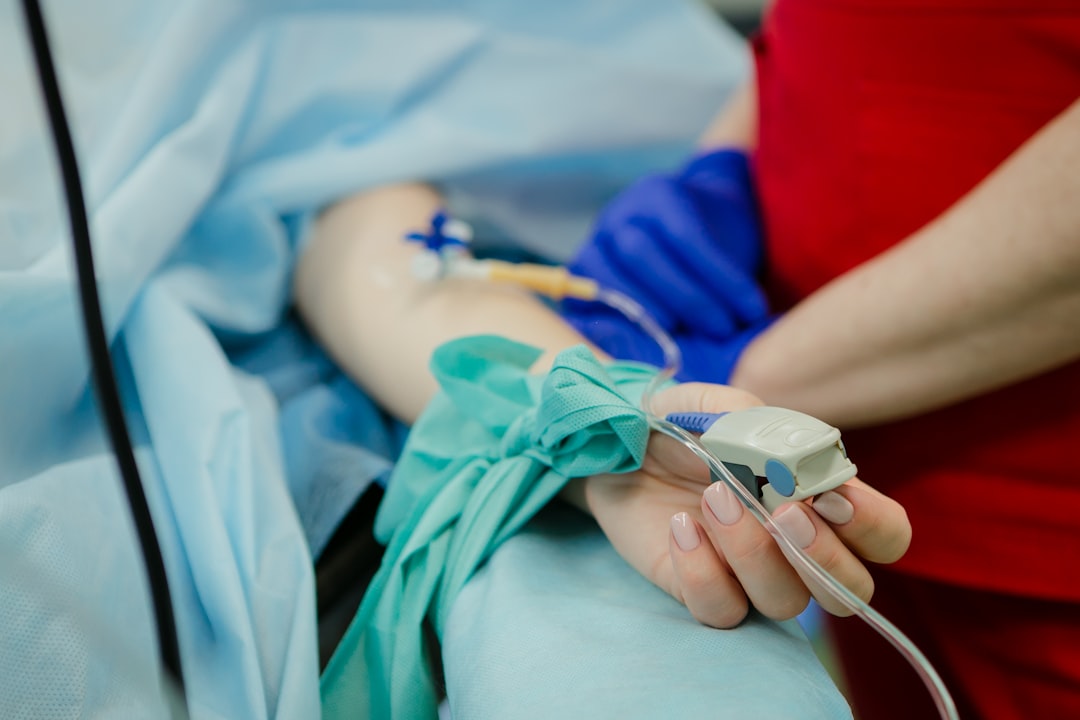

Are you or a loved one struggling with kidney disease? Do you know someone who’s going through dialysis treatment? If so, you’re not alone. According to the National Kidney Foundation, over 30 million Americans are living with kidney disease, and approximately 500,000 people rely on dialysis to stay alive. As a vital treatment for end-stage renal disease (ESRD), dialysis plays a crucial role in filtering waste and excess fluids from the blood when the kidneys are no longer able to perform this function. In this comprehensive guide, we’ll delve into the world of dialysis, exploring the process, benefits, and lifestyle changes that come with it.
What is Dialysis and How Does it Work?
Dialysis is a medical treatment that uses a machine to filter waste products, excess salt, and water from the blood when the kidneys are no longer able to perform these functions. There are two main types of dialysis: hemodialysis and peritoneal dialysis. Hemodialysis involves using a dialyzer, a machine that filters the blood outside the body, while peritoneal dialysis uses the peritoneum, a membrane in the abdomen, as a filter. During dialysis, the machine or the peritoneum removes waste products, such as urea, creatinine, and excess electrolytes, from the blood, helping to regulate the body’s chemistry and maintain overall health.
The dialysis process typically involves several steps, including:
- Preparation: The patient is prepared for dialysis by having their blood pressure, temperature, and weight checked.
- Access: The patient’s access site, either a fistula, graft, or catheter, is connected to the dialysis machine.
- Filtration: The dialysis machine filters the blood, removing waste products and excess fluids.
- Monitoring: The patient’s vital signs are monitored during treatment to ensure their safety and comfort.
- Completion: The treatment is completed, and the patient’s access site is disconnected from the machine.
- Improved survival rates: Dialysis can significantly increase the lifespan of individuals with ESRD.
- Reduced symptoms: Dialysis can help alleviate symptoms such as fatigue, swelling, and shortness of breath.
- Improved quality of life: Dialysis can enable individuals to maintain their independence and engage in daily activities.
- Infection: Dialysis access sites can become infected, which can lead to serious complications.
- Blood clots: Blood clots can form in the access site or the dialysis machine, which can be life-threatening.
- Fatigue: Dialysis can cause fatigue, which can impact daily life and activities.
- Dietary restrictions: Individuals on dialysis often require a special diet to manage their condition, which can be challenging to follow.
- Limiting fluid intake: Individuals on dialysis need to restrict their fluid intake to prevent excess fluid buildup in the body.
- Eating a balanced diet: A balanced diet that includes plenty of fruits, vegetables, whole grains, and lean protein can help manage kidney disease.
- Avoiding high-phosphorus foods: Foods high in phosphorus, such as dairy products and processed meats, can be harmful to individuals with kidney disease.
- Improve cardiovascular health: Regular exercise can help lower blood pressure and improve overall cardiovascular health.
- Increase energy levels: Exercise can help increase energy levels and reduce fatigue.
- Maintain muscle mass: Exercise can help maintain muscle mass, which is essential for overall health and well-being.
- Scheduling dialysis treatments: Individuals on dialysis need to schedule their treatments in advance, ensuring they can receive the necessary care while traveling.
- Packing essential supplies: Travelers with dialysis need to pack essential supplies, such as medication, access site care materials, and a portable dialysis machine (if necessary).
- Researching dialysis centers: Travelers should research dialysis centers at their destination, ensuring they can receive the necessary care in case of an emergency.
- Erythropoietin (EPO) therapy: EPO therapy can help stimulate red blood cell production, reducing the risk of anemia.
- Iron supplements: Iron supplements can help increase iron levels, reducing the risk of anemia.
- Vitamin supplements: Vitamin supplements, such as vitamin B12 and folate, can help manage anemia.
- Calcium and vitamin D supplements: Calcium and vitamin D supplements can help maintain strong bones and prevent bone disease.
- Phosphate binders: Phosphate binders can help reduce phosphate levels, which can contribute to bone disease.
- Regular bone density tests: Regular bone density tests can help monitor bone health and detect any potential issues.
- Dialysis is a medical treatment that filters waste products and excess fluids from the blood when the kidneys are no longer able to perform this function.
- There are two main types of dialysis: hemodialysis and peritoneal dialysis.
- Dialysis requires significant lifestyle changes, including dietary modifications, exercise routines, and travel planning.
- Managing dialysis-related complications, such as anemia and bone disease, requires proper care and attention.
- With proper care and attention, individuals with dialysis can lead active, fulfilling lives, engaging in daily activities and maintaining their independence.
Benefits and Risks of Dialysis
While dialysis is a life-saving treatment, it’s essential to understand the benefits and risks associated with it. The benefits of dialysis include:
However, dialysis also carries some risks, including:
Lifestyle Changes for Dialysis Patients
Living with dialysis requires significant lifestyle changes, including dietary modifications, exercise routines, and travel planning. A dialysis-friendly diet typically involves:
Exercise is also essential for dialysis patients, as it can help:
Traveling with dialysis requires careful planning, including:
Managing Dialysis-Related Complications
Dialysis-related complications, such as anemia, bone disease, and cardiovascular disease, can be managed with proper care and attention. Anemia, a common complication of dialysis, can be treated with:
Bone disease, another common complication of dialysis, can be managed with:
Conclusion and Key Takeaways
Dialysis is a life-saving treatment for individuals with end-stage renal disease, offering numerous benefits and requiring significant lifestyle changes. By understanding the process, benefits, and risks of dialysis, individuals can better manage their condition and improve their overall quality of life. Key takeaways from this guide include:
As you navigate the world of dialysis, remember that you’re not alone. With the right support, care, and attention, you can manage your condition and thrive. Whether you’re a patient, caregiver, or simply someone looking to learn more about dialysis, this guide has provided you with valuable insights and actionable information to help you on your journey. By prioritizing your health and well-being, you can take control of your life and live a fulfilling, dialysis-friendly lifestyle.

At King Edward Medical College, he was the recipient of the “Most Distinguished Student” award and graduated at the top of his class. Upon completing his medical education, Dr. Zafar went on to pursue his urology training at Royal Shrewsbury Hospital and at Ealing and Hammersmith Hospitals in England. In 1994, he completed a Fellowship in Endourology at Methodist Hospital in Indianapolis, Indiana. The focus of his fellowship was in urinary and bladder stones, male and female incontinence, and male impotence.
Dr. Zafar has been an active member of the American Urological Association, American Association of Clinical Urologists, and Society of Laparoscopic Surgeons.