


—
Introduction – Why a “Simple” Urinary Issue Can Be a Big Deal
Imagine waking up with a burning sensation every time you pee, feeling the urgent need to run to the bathroom every few minutes, and dealing with a constant ache in your lower abdomen. For millions of people worldwide, this isn’t a one‑off nightmare—it’s a recurring reality known as a bladder infection, or urinary tract infection (UTI).
While many think of UTIs as a minor inconvenience that will clear up with a quick course of antibiotics, the truth is far more nuanced. Left untreated, a bladder infection can spread to the kidneys, cause chronic discomfort, and even lead to serious complications like sepsis. Moreover, recurrent infections can take a toll on mental health, work productivity, and overall quality of life.
In this comprehensive guide, we’ll dive deep into everything you need to know about bladder infections—from the biology behind them to practical, evidence‑based steps you can take to prevent and treat them. Whether you’re a first‑time sufferer, a frequent flyer of the bathroom, or simply a health‑conscious reader, this post will equip you with actionable knowledge that’s both SEO‑friendly and easy to digest.
—
1. What Exactly Is a Bladder Infection?
1.1 Defining the Condition
A bladder infection is a type of lower urinary tract infection that primarily affects the bladder (the medical term is cystitis). It occurs when bacteria—most commonly Escherichia coli (E. coli)—enter the urethra, travel up the urinary tract, and multiply in the bladder lining.
> Key SEO phrase: bladder infection causes
1.2 How the Urinary System Works
| Part | Function | Why It Matters for UTIs |
|——|———-|————————–|
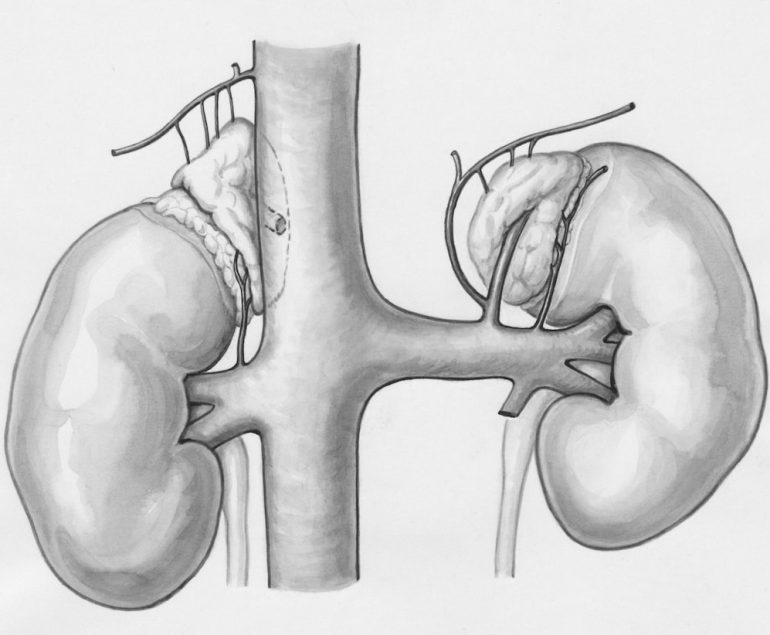
| Kidneys | Filter blood, create urine | Bacteria can ascend from bladder to kidneys, causing pyelonephritis. |
| Ureters | Transport urine to bladder | Narrow passage; blockage can trap bacteria. |
| Bladder | Stores urine | Stagnant urine provides a breeding ground for microbes. |
| Urethra | Exit pathway for urine | Shorter in women, making them more susceptible. |
Understanding this anatomy helps you see why certain habits—like holding urine for too long—can increase infection risk.
1.3 Who’s Most at Risk?
| Demographic | Why They’re Vulnerable |
|————-|————————|
| Women | Shorter urethra, proximity to anus |
| Pregnant individuals | Hormonal changes, urinary retention |
| Seniors | Weaker immune system, incomplete bladder emptying |
| People with catheters | Direct conduit for bacteria |
| Diabetics | High sugar in urine fuels bacterial growth |
If you fall into any of these categories, extra vigilance is warranted.
—
2. Recognizing the Symptoms – When to Seek Help
2.1 Classic Signs
| Symptom | Description |
|———|————-|
| Burning sensation | Painful urination (dysuria) |
| Frequent urges | Need to urinate often, often with little output |
| Cloudy or strong‑smelling urine | Indicates bacterial presence |
| Pelvic or lower abdominal pain | Discomfort centered around the bladder |
| Hematuria | Pink or red urine due to blood |
These symptoms typically appear within 24–48 hours after bacterial colonization.
2.2 Atypical or “Silent” Presentations
- Mild discomfort that’s easy to ignore
- Fever, chills, or flank pain (possible kidney involvement)
- Confusion or agitation in older adults (often the only sign)
- Symptoms persist more than 48 hours despite home care
- Recurrent infections (≥3 times a year)
- Pregnant, diabetic, or immunocompromised individuals
- Presence of blood in urine or severe pain
- Breathable underwear (cotton) keeps the area dry.
- Avoid tight‑fitting pants that create moisture.
- Urinate within 15 minutes after intercourse.
- Use water‑based lubricants to reduce irritation.
- Discuss with partners about condom use if you have a history of recurrent infections.
- Low‑dose antibiotics (prophylactic) for frequent recurrences (prescribed by a doctor).
- Topical estrogen therapy for post‑menopausal women—helps restore vaginal flora.
- Vaccines under investigation (e.g., UroVaxom) show promise but are not yet standard.
- Finish all medication as prescribed.
- Increase fluid intake to flush out bacteria.
- Avoid irritants such as caffeine, alcohol, spicy foods, and nicotine.
- Rest—your body heals faster when you’re not overexerting yourself.
- Transurethral resection of bladder lesions.
- Removal of obstructive stones.
- Repair of vesicovaginal fistulas (abnormal connections between bladder and vagina).
- Vitamin C: Acidifies urine, hindering bacterial growth. Citrus fruits, strawberries.
- D‑mannose: A natural sugar that can prevent E. coli from sticking to bladder walls (available as a supplement).
- Fiber: Reduces constipation, which can pressure the bladder. Whole grains, legumes, vegetables.
If you experience any of these, especially fever or back pain, seek medical attention immediately—it could signal a more serious infection.
2.3 When to Call a Healthcare Provider
Early diagnosis not only speeds recovery but also reduces the risk of complications.
—
3. Proven Prevention Strategies – Keep the Bacteria at Bay
3.1 Lifestyle Tweaks That Matter
| Action | Why It Works | Practical Tips |
|——–|————–|—————-|
| Stay Hydrated | Dilutes urine, flushes bacteria | Aim for 2–3 L of water daily; set reminders |
| Urinate When Needed | Prevents urine stasis | Don’t “hold it” for long periods; empty bladder after sex |
| Proper Hygiene | Reduces bacterial transfer from anal area | Front‑to‑back wiping; avoid harsh soaps |
| Cranberry Products | May prevent bacterial adhesion (mixed evidence) | Choose unsweetened cranberry juice or capsules |
| Probiotic‑Rich Foods | Supports healthy vaginal flora | Yogurt, kefir, sauerkraut—especially Lactobacillus strains |
3.2 Clothing and Materials
3.3 Sexual Health Practices
3.4 Medical Preventive Measures
—
4. Treatment Options – From Home Remedies to Prescription Therapy
4.1 Over‑the‑Counter (OTC) Relief
| Remedy | How It Helps | Usage |
|——–|————–|——-|
| Phenazopyridine (UTI‑specific pain reliever) | Alleviates burning, urgency | 200 mg every 6 hours, max 4 days |
| Cranberry supplements | May reduce bacterial adhesion | 500 mg twice daily (standardized) |
| Probiotics | Restores Lactobacillus balance | 1–2 billion CFU daily |
OTC options are symptomatic; they don’t cure the infection. Use them while awaiting a prescription or when symptoms are mild.
4.2 Prescription Antibiotics – The Gold Standard
| Antibiotic | Typical Dose | Duration |
|————|————–|———-|
| Trimethoprim‑Sulfamethoxazole (Bactrim) | 160 mg/800 mg twice daily | 3 days (uncomplicated) |
| Nitrofurantoin (Macrobid) | 100 mg twice daily | 5–7 days |
| Fosfomycin (Monurol) | Single 3 g dose | One‑time |
| Ciprofloxacin (reserved) | 500 mg twice daily | 3 days |
Key SEO phrase: bladder infection treatment
Your doctor will select an antibiotic based on local resistance patterns, allergies, and pregnancy status. Always complete the full course, even if symptoms improve early.
4.3 Home Care While on Antibiotics
4.4 Managing Recurrent Infections
If you’ve had three or more UTIs in a year, discuss the following with your provider:
1. Post‑coital antibiotic prophylaxis (single dose after sex).
2. Continuous low‑dose antibiotics for 6 months.
3. Self‑initiated treatment (patient‑initiated therapy) with a “rescue” antibiotic prescription at the first sign of symptoms.
4. Investigate underlying causes (e.g., kidney stones, anatomical abnormalities).
4.5 When Surgery Becomes Necessary
Rarely, chronic infections can lead to bladder dysfunction or abscess formation, requiring surgical intervention. Options include:
These are last‑resort measures after exhaustive medical management.
—
5. Lifestyle After Recovery – Staying Infection‑Free
5.1 Building a “UTI‑Proof” Routine
| Daily Habit | Implementation |
|————-|—————–|
| Morning hydration | Drink a glass of water right after waking. |
| Evening bladder emptying | Use the bathroom before bed; consider a light “double‑void.” |
| Weekly probiotic boost | Add a serving of kefir or a probiotic capsule. |
| Monthly cranberry check | Rotate between juice and capsules to avoid sugar overload. |
| Quarterly medical review | If you’ve had recurrent UTIs, schedule a check‑up every 3 months. |
5.2 Monitoring for Early Warning Signs
Keep a symptom diary: note any changes in urination, pain, or odor. Early detection can mean a shorter, milder treatment.
5.3 Nutrition That Supports Urinary Health
—
Conclusion – Key Takeaways
1. Bladder infections are common but not harmless; they can progress to kidney infections or sepsis if ignored.
2. Recognize the classic and atypical symptoms—early medical evaluation is crucial, especially for high‑risk groups.
3. Prevention is powerful: stay hydrated, practice proper hygiene, urinate after sex, and consider cranberry or probiotic support.
4. Antibiotics remain the cornerstone of treatment, but completing the full course and following supportive home care speeds recovery.
5. For recurrent infections, work with a healthcare professional on tailored prophylactic strategies and investigate possible underlying causes.
6. Adopt a long‑term bladder‑friendly lifestyle—balanced nutrition, regular fluid intake, and mindful habits—to keep infections at bay.
By understanding the causes, symptoms, prevention, and treatment of bladder infections, you empower yourself to act quickly, reduce discomfort, and protect your urinary health for the long haul. Stay informed, stay proactive, and don’t let a simple infection dictate your day.
—
If you found this guide helpful, share it with friends or family who might benefit. For personalized advice, always consult a qualified healthcare provider.

At King Edward Medical College, he was the recipient of the “Most Distinguished Student” award and graduated at the top of his class. Upon completing his medical education, Dr. Zafar went on to pursue his urology training at Royal Shrewsbury Hospital and at Ealing and Hammersmith Hospitals in England. In 1994, he completed a Fellowship in Endourology at Methodist Hospital in Indianapolis, Indiana. The focus of his fellowship was in urinary and bladder stones, male and female incontinence, and male impotence.
Dr. Zafar has been an active member of the American Urological Association, American Association of Clinical Urologists, and Society of Laparoscopic Surgeons.