


Are you tired of feeling like you’re stuck in a never-ending cycle of burning sensations, frequent trips to the bathroom, and a general feeling of discomfort? If so, you’re not alone. Millions of people around the world suffer from bladder infections, also known as urinary tract infections (UTIs), every year. But what exactly is a bladder infection, and how can you prevent and treat it? In this comprehensive guide, we’ll delve into the world of bladder infections, exploring the causes, symptoms, diagnosis, and treatment options available.
What is a Bladder Infection?
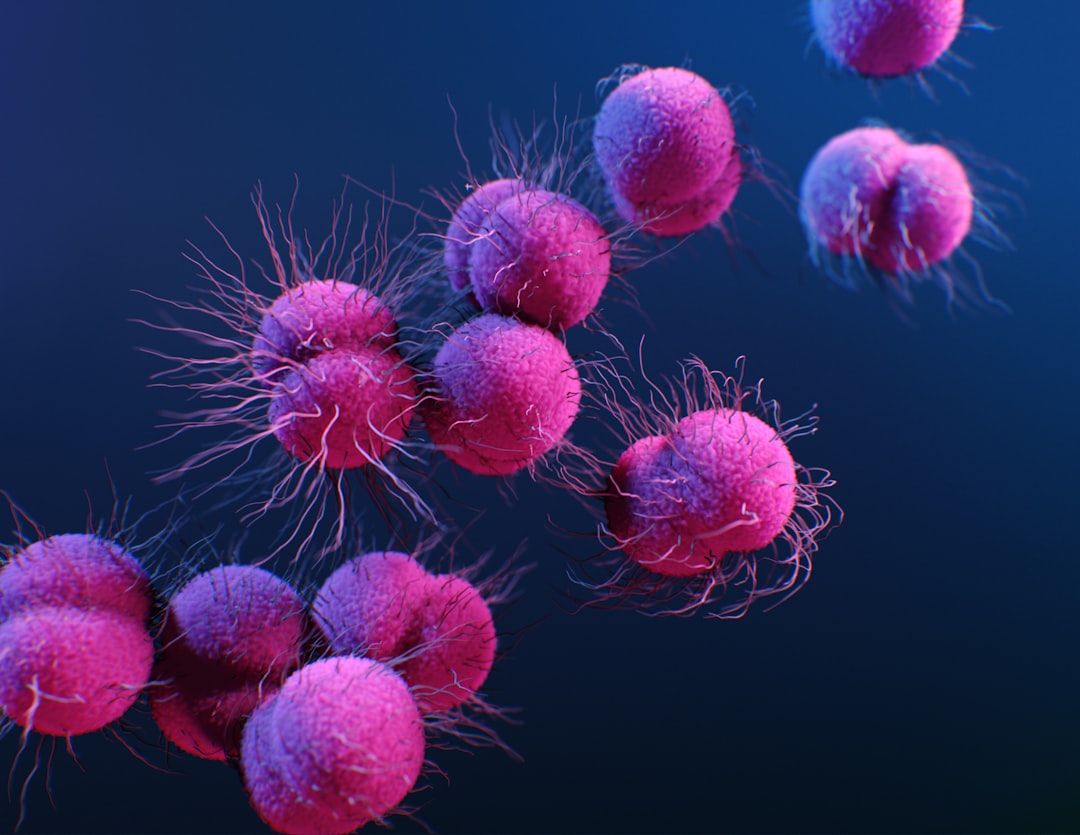
A bladder infection is a type of urinary tract infection that occurs when bacteria, typically Escherichia coli (E. coli), enter the urinary system and multiply, causing inflammation and irritation. This can lead to a range of uncomfortable symptoms, including a burning sensation while urinating, frequent urination, cloudy or strong-smelling urine, and abdominal pain. Bladder infections can affect anyone, regardless of age or sex, although they are more common in women due to their shorter urethra, which makes it easier for bacteria to enter the bladder.
It’s essential to understand that bladder infections can be acute or chronic. Acute bladder infections are typically caused by a new bacterial infection, while chronic bladder infections are recurring and may be caused by an underlying medical condition or other factors. If left untreated, bladder infections can lead to more severe complications, such as kidney damage or sepsis. That’s why it’s crucial to seek medical attention if you’re experiencing any symptoms of a bladder infection.
Causes and Risk Factors of Bladder Infections
So, what causes bladder infections, and how can you reduce your risk of developing one? There are several factors that can increase your likelihood of getting a bladder infection, including:
- Poor hygiene: Not wiping properly after using the bathroom or not washing your hands regularly can introduce bacteria into the urinary system.
- Sexual activity: Engaging in sexual activity can push bacteria into the urethra, increasing the risk of infection.
- Holding urine: Not urinating regularly or holding urine for extended periods can allow bacteria to multiply in the bladder.
- Catheter use: Using a catheter can introduce bacteria into the urinary system, particularly if the catheter is not inserted or maintained properly.
- Underlying medical conditions: Certain medical conditions, such as diabetes, kidney stones, or an enlarged prostate, can increase the risk of developing a bladder infection.
- Physical examination: Your doctor will perform a physical examination to check for signs of infection, such as abdominal tenderness or a fever.
- Urinalysis: Your doctor will test your urine for the presence of bacteria, blood, or other signs of infection.
- Urine culture: Your doctor may order a urine culture to determine the type of bacteria causing the infection and which antibiotics will be most effective.
- Drinking plenty of water: Staying hydrated can help flush out bacteria and reduce the risk of complications.
- Urinating regularly: Urinating regularly can help remove bacteria from the bladder and reduce the risk of infection.
- Applying heat: Applying heat to the abdomen can help alleviate discomfort and reduce the burning sensation.
- Avoiding irritants: Avoiding irritants, such as spicy or acidic foods, can help reduce discomfort and alleviate symptoms.
- Practicing good hygiene: Wiping properly after using the bathroom and washing your hands regularly can help reduce the risk of infection.
- Drinking plenty of water: Staying hydrated can help flush out bacteria and reduce the risk of complications.
- Urinating regularly: Urinating regularly can help remove bacteria from the bladder and reduce the risk of infection.
- Avoiding holding urine: Not holding urine for extended periods can help reduce the risk of infection.
- Wearing loose, breathable clothing: Wearing loose, breathable clothing can help reduce moisture and prevent bacterial growth.
- Bladder infections are common and can affect anyone: Regardless of age or sex, bladder infections can occur, and it’s essential to be aware of the causes, symptoms, and treatment options.
- Practicing good hygiene and staying hydrated can reduce the risk of infection: By practicing good hygiene, drinking plenty of water, and urinating regularly, you can reduce your risk of developing a bladder infection.
- Antibiotics are typically effective in treating bladder infections: If you’re diagnosed with a bladder infection, antibiotics can help eliminate the bacterial infection and alleviate symptoms.
- Prevention is the best medicine: By taking a proactive approach to bladder health, you can reduce your risk of developing a bladder infection and stay healthy and happy.
To reduce your risk of getting a bladder infection, it’s essential to practice good hygiene, drink plenty of water, and urinate regularly. You should also avoid holding urine for extended periods and wipe properly after using the bathroom. If you’re sexually active, using protection and urinating after sex can also help reduce the risk of infection.
Diagnosis and Treatment of Bladder Infections
If you’re experiencing symptoms of a bladder infection, it’s essential to seek medical attention. Your doctor will typically diagnose a bladder infection by:
Once diagnosed, bladder infections are typically treated with antibiotics, which can help eliminate the bacterial infection and alleviate symptoms. In some cases, your doctor may prescribe pain medication or other medications to help manage symptoms. It’s essential to complete the full course of antibiotics as prescribed, even if symptoms improve before finishing the medication.
In addition to medical treatment, there are several home remedies that can help alleviate symptoms and support the healing process. These include:
Preventing Bladder Infections
While bladder infections can be treated with antibiotics, prevention is always the best medicine. There are several steps you can take to reduce your risk of developing a bladder infection, including:
By following these tips and taking a proactive approach to bladder health, you can reduce your risk of developing a bladder infection and stay healthy and happy.
Conclusion and Key Takeaways
Bladder infections can be uncomfortable and debilitating, but with the right knowledge and treatment, you can alleviate symptoms and prevent future infections. Remember, if you’re experiencing symptoms of a bladder infection, it’s essential to seek medical attention to prevent complications and promote healing.
The key takeaways from this guide are:
By following these tips and staying informed, you can take control of your bladder health and reduce the risk of developing a bladder infection. Remember, if you’re experiencing symptoms or have concerns about bladder health, it’s always best to consult with a medical professional for personalized advice and treatment.

At King Edward Medical College, he was the recipient of the “Most Distinguished Student” award and graduated at the top of his class. Upon completing his medical education, Dr. Zafar went on to pursue his urology training at Royal Shrewsbury Hospital and at Ealing and Hammersmith Hospitals in England. In 1994, he completed a Fellowship in Endourology at Methodist Hospital in Indianapolis, Indiana. The focus of his fellowship was in urinary and bladder stones, male and female incontinence, and male impotence.
Dr. Zafar has been an active member of the American Urological Association, American Association of Clinical Urologists, and Society of Laparoscopic Surgeons.