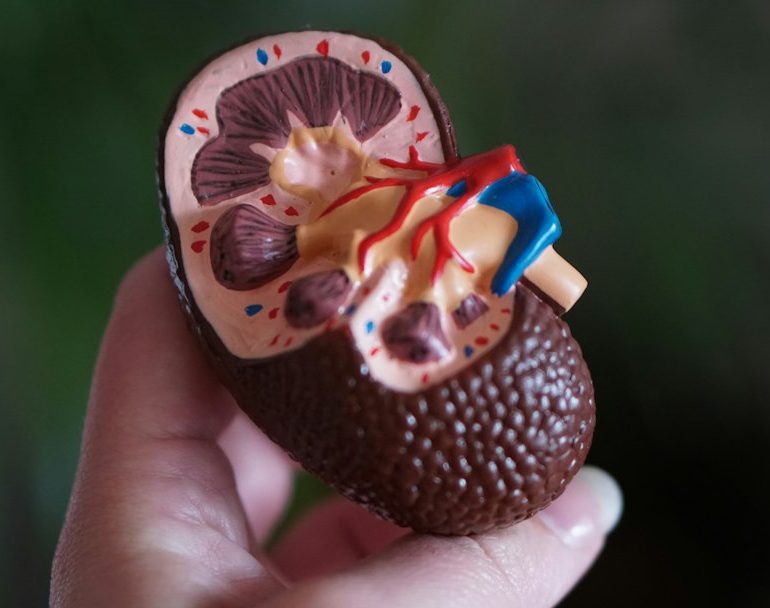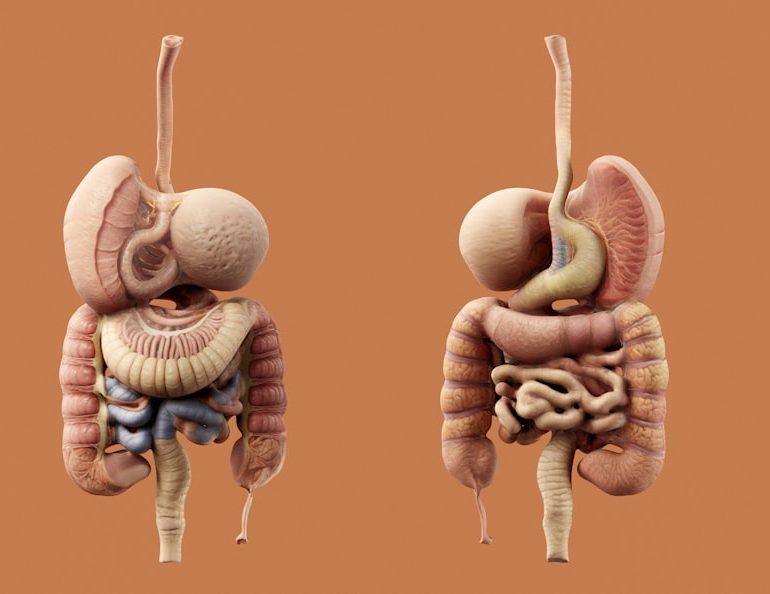



As we go about our daily lives, it’s easy to take our urinary system for granted. But when problems arise, it can be a real game-changer. From painful kidney stones to debilitating urinary tract infections (UTIs), urological issues can significantly impact our quality of life. That’s why it’s essential to understand the intricacies of urology and take proactive steps to maintain our urinary health. In this comprehensive guide, we’ll delve into the world of urology, exploring its various aspects, and providing valuable insights and actionable tips to help you keep your urinary system in top shape.
What is Urology?
Urology is the branch of medicine that deals with the diagnosis, treatment, and management of disorders related to the urinary system. This includes the kidneys, ureters, bladder, and urethra, as well as the male reproductive organs. Urologists are medical doctors who specialize in the treatment of urological conditions, which can range from benign prostatic hyperplasia (BPH) and kidney stones to bladder cancer and erectile dysfunction. With the help of advanced technologies and minimally invasive procedures, urologists can provide effective treatments and improve patient outcomes.
Common Urological Conditions
Urological conditions can affect anyone, regardless of age or sex. Some of the most common conditions include:
- Urinary Tract Infections (UTIs): Bacterial infections that occur in the urinary tract, causing symptoms such as burning sensation while urinating, frequent urination, and abdominal pain.
- Kidney Stones: Small, hard deposits that form in the kidneys, causing severe pain, nausea, and vomiting.
- Benign Prostatic Hyperplasia (BPH): A non-cancerous enlargement of the prostate gland, causing symptoms such as difficulty starting urination, weak urine flow, and frequent urination.
- Bladder Cancer: A type of cancer that occurs in the bladder, causing symptoms such as blood in the urine, pain while urinating, and frequent urination.
- Erectile Dysfunction (ED): A condition that affects a man’s ability to achieve or maintain an erection, often caused by underlying medical conditions, such as diabetes, high blood pressure, or cardiovascular disease.
- Stay Hydrated: Drink plenty of water to help flush out bacteria and other substances that can cause UTIs and kidney stones.
- Maintain a Healthy Diet: Eat a balanced diet rich in fruits, vegetables, and whole grains to help prevent conditions such as BPH and bladder cancer.
- Exercise Regularly: Engage in regular physical activity to help maintain a healthy weight, reduce stress, and improve overall urinary health.
- Practice Good Hygiene: Wipe correctly, avoid using scented soaps or bubble baths, and avoid holding in urine for extended periods to reduce the risk of UTIs.
- Get Regular Check-Ups: Visit your urologist regularly to monitor your urinary health and catch any potential issues early on.
- Minimally Invasive Procedures: Techniques such as laparoscopy and robotic surgery that allow for smaller incisions, reduced recovery time, and less post-operative pain.
- Imaging Technologies: Advanced imaging modalities such as MRI and CT scans that enable urologists to diagnose and treat conditions more accurately.
- Robotic Surgery: Robotic systems that allow urologists to perform complex procedures with greater precision and dexterity.
- Stem Cell Therapy: A promising area of research that aims to use stem cells to repair or replace damaged tissues in the urinary system.
- Urology is the branch of medicine that deals with the diagnosis, treatment, and management of disorders related to the urinary system.
- Common urological conditions include UTIs, kidney stones, BPH, bladder cancer, and ED.
- Preventing urological conditions is often easier than treating them, and can be achieved through simple lifestyle changes.
- Advances in urology, such as minimally invasive procedures and imaging technologies, have improved patient outcomes and reduced recovery time.
- Regular check-ups with a urologist can help catch potential issues early on and improve overall urinary health.
Prevention and Treatment
Preventing urological conditions is often easier than treating them. Here are some valuable tips to help you maintain your urinary health:
Advances in Urology
The field of urology is constantly evolving, with new technologies and treatments being developed to improve patient outcomes. Some of the recent advances in urology include:
Conclusion
Urology is a vital branch of medicine that plays a critical role in maintaining our overall health and well-being. By understanding the various aspects of urology and taking proactive steps to maintain our urinary health, we can reduce the risk of urological conditions and improve our quality of life. Remember to stay hydrated, maintain a healthy diet, exercise regularly, practice good hygiene, and get regular check-ups to keep your urinary system in top shape. With the help of advanced technologies and minimally invasive procedures, urologists can provide effective treatments and improve patient outcomes. So, take control of your urinary health today and consult with a urologist if you have any concerns or questions. Key takeaways from this guide include: