

—
Introduction – Why the “Little‑Talk” About Urology Matters
When you hear the word urology, most people picture a sterile exam room, a white coat, and a brief, uncomfortable conversation about “that thing down there.” Yet the urinary system is the body’s hidden powerhouse – it filters waste, balances fluids, regulates blood pressure, and even influences sexual health. Ignoring it can lead to painful kidney stones, embarrassing incontinence, or life‑threatening cancers that are often preventable with early detection.
In this 2,000‑word deep dive, we’ll demystify urology, break down the most common conditions, and arm you with actionable steps to keep your kidneys, bladder, prostate, and urethra in top shape. Whether you’re a patient, a caregiver, or simply health‑curious, this guide will give you the confidence to talk openly with your urologist and take charge of your urinary health.
—
1. The Foundations of Urology: Anatomy, Function, and Why It All Matters
1.1 The Urinary System – A Quick Anatomy Crash Course
| Organ | Primary Role | Key Health Indicators |
|——-|————–|———————–|
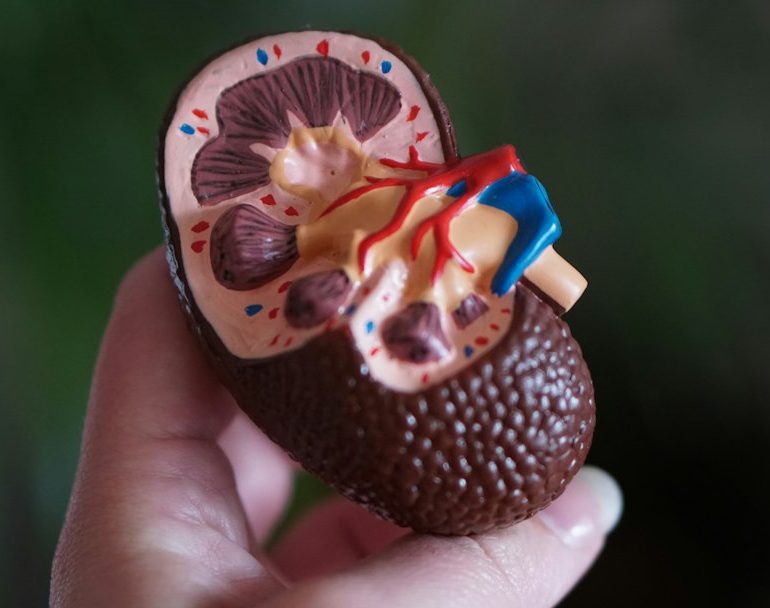
| Kidneys | Filter blood, remove waste, regulate electrolytes & blood pressure | Creatinine, eGFR, urine output |
| Ureters | Transport urine from kidneys to bladder | Obstruction signs (pain, hydronephrosis) |
| Bladder | Stores urine until convenient elimination | Capacity, residual volume |
| Urethra | Conduit for urine (and semen in males) | Flow rate, continence |
| Prostate (men) | Produces seminal fluid, surrounds urethra | PSA level, size, urinary flow |
Understanding where each part sits helps you recognize symptoms early. For example, flank pain often signals kidney involvement, while a weak stream points to bladder or prostate issues.
1.2 How the System Works Together – The “Filtration‑Storage‑Elimination” Cycle
1. Filtration: Blood enters the kidneys where nephrons extract waste and excess fluid.
2. Reabsorption: Essential nutrients, water, and electrolytes are returned to the bloodstream.
3. Excretion: The filtered urine travels down the ureters into the bladder, where it’s stored.
4. Elimination: When the bladder reaches ~300–500 ml, nerves signal the brain, prompting a coordinated muscle contraction that pushes urine through the urethra.
Disruption at any stage can cause symptoms that range from subtle (frequent nighttime urination) to severe (acute renal failure).
1.3 Why Urology Is a Lifelong Specialty
Urology isn’t just about “men’s health” or “kidney stones.” It covers:
- Pediatric urology: Congenital anomalies like vesicoureteral reflux.
- Female urology: Stress incontinence, pelvic organ prolapse, and recurrent urinary tract infections (UTIs).
- Oncologic urology: Bladder, kidney, and prostate cancers.
- Reconstructive urology: Post‑surgical repairs, urinary diversions, and gender‑affirming procedures.
- Prevalence: ~1 in 10 people will develop a stone in their lifetime.
- Types: Calcium oxalate (most common), uric acid, struvite, cystine.
- Sudden, severe flank pain radiating to the groin (often described as “one of the worst pains”).
- Hematuria (blood in urine).
- Nausea, vomiting, or fever (suggests infection).
- Burning sensation during urination.
- Cloudy, foul‑smelling urine.
- Pelvic pressure or lower back pain.
- First‑line antibiotics (e.g., nitrofurantoin, trimethoprim‑sulfamethoxazole) for 3–5 days.
- Culture‑guided therapy for recurrent cases or complicated UTIs.
- Storage issues: Frequent urination, nocturia, urgency.
- Voiding issues: Weak stream, hesitancy, incomplete emptying.
- Timed voiding: Schedule bathroom trips every 2–3 hrs to train bladder capacity.
- Limit bladder irritants: Caffeine, alcohol, carbonated drinks.
- Pelvic floor exercises: Strengthen muscles that aid bladder emptying.
- Stress incontinence: Leakage with coughing, sneezing, or lifting.
- Urgency incontinence: Sudden urge, often due to overactive bladder.
- Mixed incontinence: Combination of both.
- Anticholinergics (oxybutynin) for urgency.
- Beta‑3 agonists (mirabegron) – fewer dry‑mouth side effects.
- Urethral slings or bulking agents for stress incontinence (surgical).
- Quit smoking – Reduces bladder and kidney cancer risk by up to 50 %.
- Stay hydrated – Dilutes carcinogens in urine.
- Balanced diet – High fruit/vegetable intake, limited processed meats.
- Regular check‑ups – Discuss PSA testing with your doctor if you have a family history.
- Goal: 2–2.5 L of fluid daily for most adults; adjust for climate, activity level, and kidney disease.
- Best choices: Water, herbal teas, low‑sugar fruit infusions.
- Limit: Sugary sodas, excessive caffeine, and high‑salt sports drinks (they can increase stone risk and irritate the bladder).
- Aerobic activity (30 min brisk walk, 5 days/week) improves circulation, lowers blood pressure, and reduces stone risk.
- Pelvic floor training – Use biofeedback apps or a pelvic floor therapist for correct technique.
- Weight‑bearing resistance – Helps maintain muscle tone that supports bladder and prostate health.
- Cranberry capsules – May prevent recurrent UTIs in women with a history of ≥ 3 infections per year.
- Phenazopyridine – Short‑term (≤ 2 days) pain relief for urinary discomfort; not a cure.
- Lactobacillus probiotic – Supports healthy vaginal flora, indirectly reducing UTI risk.
- Board certification – Verify through the American Board of Urology (or your country’s equivalent).
- Specialty focus – Pediatric, female, oncologic, or reconstructive urology.
- Patient reviews & communication style – A doctor who explains procedures in plain language improves adherence.
Because the urinary system interacts with the cardiovascular, endocrine, and reproductive systems, a urologist often collaborates with other specialists to deliver holistic care.
—
2. Common Urologic Conditions & How to Spot Them Early
2.1 Kidney Stones – The Painful Pebbles
Key facts:
Red‑flag symptoms:
Actionable steps:
| Step | What to Do | Why It Helps |
|——|————|————–|
| Hydration | Aim for 2–3 L of water daily (clear urine). | Dilutes urine, reduces crystal formation. |
| Diet tweak | Limit high‑oxalate foods (spinach, nuts), moderate animal protein, reduce sodium. | Lowers calcium oxalate supersaturation. |
| Medical evaluation | Get a non‑contrast CT scan if pain is acute; a stone analysis if you pass one. | Guides targeted prevention (e.g., potassium citrate for uric acid stones). |
| Medication | Thiazide diuretics for calcium stones; allopurinol for uric acid stones. | Alters urinary chemistry to prevent recurrence. |
When to call a urologist: Persistent pain > 24 hrs, fever > 38°C, or inability to pass urine. Early intervention can prevent renal damage and the need for invasive surgery.
2.2 Urinary Tract Infections (UTIs) – The “Burning” Problem
Who gets them? Women (especially sexually active), the elderly, and individuals with catheters.
Typical signs:
Quick self‑care checklist:
1. Increase fluid intake – 1.5–2 L of water daily to flush bacteria.
2. Cranberry products – May reduce bacterial adhesion (evidence modest).
3. Proper hygiene – Front‑to‑back wiping, urinating after intercourse.
Medical management:
Red flag: Fever, flank pain, or confusion (especially in seniors) may indicate a kidney infection (pyelonephritis) requiring urgent care.
2.3 Benign Prostatic Hyperplasia (BPH) – “Aging” Prostate
Prevalence: Affects > 50 % of men over 60.
Symptoms (the “LUTS” – lower urinary tract symptoms):
Lifestyle hacks:
Medical options:
| Option | Mechanism | Typical Candidates |
|——–|———–|——————–|
| Alpha‑blockers (tamsulosin) | Relax prostate smooth muscle → improved flow. | Moderate symptoms, no large prostate. |
| 5‑alpha‑reductase inhibitors (finasteride) | Shrink prostate over months. | Larger prostates (>30 g) or combination therapy. |
| Minimally invasive procedures (UroLift, Rezūm) | Physical remodeling of tissue. | Men seeking surgery‑free relief. |
When to see a urologist: Persistent nocturia (>2‑3 times/night), urinary retention, or recurrent UTIs. Early evaluation can prevent bladder damage and kidney back‑pressure.
2.4 Urinary Incontinence – Regaining Control
Types:
First‑line strategies:
1. Kegel exercises – Contract pelvic floor for 5 seconds, relax 5 seconds; 10 reps × 3 sets daily.
2. Bladder training – Delay voiding by 5‑10 minutes, gradually extending intervals.
3. Weight management – Reducing BMI lessens pressure on pelvic floor.
Medical & device options:
Red flag: Sudden onset of incontinence with fever, flank pain, or neurological changes may signal spinal cord issues or infection—seek immediate care.
2.5 Urologic Cancers – Early Detection Saves Lives
| Cancer | Screening Tool | Typical Age | Key Symptom |
|——–|—————-|————|————-|
| Prostate | PSA blood test + DRE | 50 + (earlier if high risk) | Difficulty urinating, blood in urine |
| Bladder | Urine cytology, cystoscopy (high‑risk) | 55 + | Hematuria (painless) |
| Kidney | Imaging (ultrasound/CT) for incidental findings | 45 + | Flank mass, hematuria |
| Testicular | Self‑exam | 15‑35 | Lump or heaviness in scrotum |
Actionable prevention checklist:
—
3. Lifestyle & Home‑Based Strategies for Optimal Urinary Health
3.1 Hydration – The Gold Standard
Tip: Carry a reusable bottle with volume markers; sip consistently rather than gulping large amounts at once.
3.2 Nutrition Tailored to the Urinary Tract
| Nutrient | Sources | Urology Benefit |
|———-|———|—————–|
| Calcium (moderate) | Low‑fat dairy, fortified plant milks | Binds oxalate in gut, reduces stone formation. |
| Potassium citrate | Citrus fruits, berries | Raises urine pH, preventing uric acid stones. |
| Omega‑3 fatty acids | Salmon, flaxseed | Anti‑inflammatory; may lower prostate cancer progression. |
| Fiber | Whole grains, legumes | Improves bowel health, reduces pressure on bladder. |
Avoid: Excessive animal protein (increases calcium and uric acid excretion) and high‑salt diets (raises calcium in urine).
3.3 Exercise & Pelvic Floor Strengthening
3.4 Smart Bathroom Habits
1. Don’t “hold it” – Chronic retention can stretch bladder walls and cause overflow incontinence.
2. Double void – After finishing, wait a minute and try again to empty residual urine.
3. Proper positioning – For men, standing can aid complete emptying; for women, a relaxed seated posture reduces pelvic floor strain.
3.5 When to Use Over‑the‑Counter (OTC) Aids
Caution: Always discuss OTC use with your urologist, especially if you have kidney disease or are on prescription diuretics.
—
4. Navigating the Urology Appointment – What to Expect and How to Prepare
4.1 Choosing the Right Urologist
4.2 Pre‑Visit Checklist
| Item | Why It Matters |
|——|—————-|
| Medication list | Some drugs (e.g., diuretics, anticoagulants) affect urine tests. |
| Symptom diary (frequency, pain,

At King Edward Medical College, he was the recipient of the “Most Distinguished Student” award and graduated at the top of his class. Upon completing his medical education, Dr. Zafar went on to pursue his urology training at Royal Shrewsbury Hospital and at Ealing and Hammersmith Hospitals in England. In 1994, he completed a Fellowship in Endourology at Methodist Hospital in Indianapolis, Indiana. The focus of his fellowship was in urinary and bladder stones, male and female incontinence, and male impotence.
Dr. Zafar has been an active member of the American Urological Association, American Association of Clinical Urologists, and Society of Laparoscopic Surgeons.