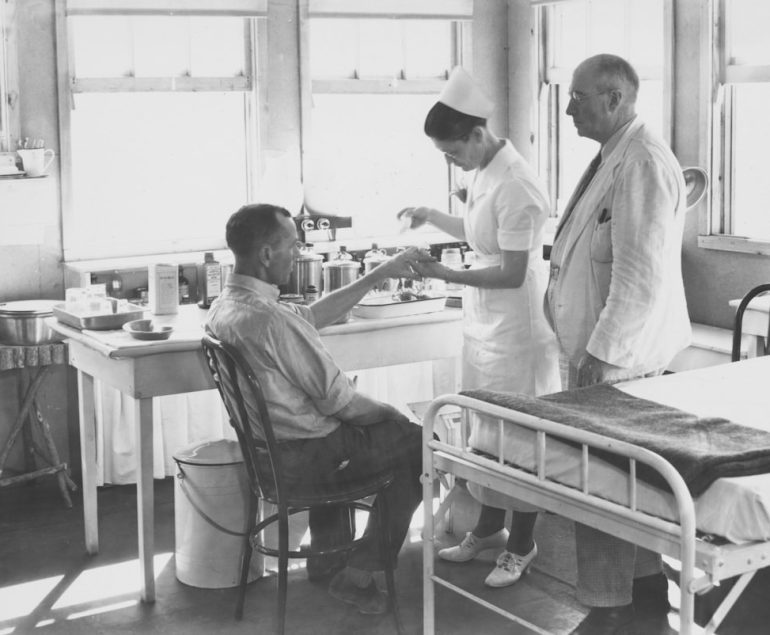



Are you or a loved one living with kidney disease? If so, you’re likely familiar with the term “dialysis.” But what exactly is dialysis, and how does it work? In this comprehensive guide, we’ll delve into the world of dialysis, exploring the process, benefits, and lifestyle changes that come with it. Whether you’re a patient, caregiver, or simply looking to learn more, this article is designed to provide you with valuable insights and actionable information to help you navigate the world of dialysis.
What is Dialysis and How Does it Work?
Dialysis is a medical treatment that filters and purifies the blood using a machine, known as a dialyzer, to remove waste products and excess fluids from the blood when the kidneys are no longer able to perform this function. There are two main types of dialysis: hemodialysis and peritoneal dialysis. Hemodialysis involves using a machine to filter the blood outside the body, while peritoneal dialysis uses the peritoneum, a membrane in the abdominal cavity, to filter the blood inside the body.
The dialysis process typically involves the following steps:
1. Access creation: A surgeon creates an access point, such as an arteriovenous fistula (AVF) or a peritoneal catheter, to connect the patient to the dialysis machine.
2. Dialysis session: The patient is connected to the dialysis machine, and the machine begins to filter the blood, removing waste products and excess fluids.
3. Monitoring: The patient’s vital signs, such as blood pressure and heart rate, are closely monitored during the dialysis session.
4. Post-dialysis care: After the dialysis session, the patient is disconnected from the machine, and the access point is cleaned and dressed.
Benefits of Dialysis and Lifestyle Changes
While dialysis can be a life-saving treatment, it’s essential to understand the benefits and lifestyle changes that come with it. Some of the benefits of dialysis include:
- Improved overall health: Dialysis helps to remove waste products and excess fluids from the blood, which can improve overall health and reduce the risk of complications.
- Increased energy levels: By removing waste products and excess fluids, dialysis can help to increase energy levels and reduce fatigue.
- Better management of kidney disease: Dialysis can help to slow the progression of kidney disease and reduce the risk of complications.
- Dietary restrictions: Patients on dialysis may need to follow a special diet that limits the intake of certain foods, such as those high in sodium, potassium, and phosphorus.
- Fluid restrictions: Patients on dialysis may need to limit their fluid intake to prevent excess fluids from building up in the body.
- Regular exercise: Regular exercise, such as walking or yoga, can help to improve overall health and reduce the risk of complications.
- Keep track of your appointments: Keep a calendar or planner to keep track of your dialysis appointments, medical check-ups, and medication schedules.
- Take your medications as prescribed: Take your medications exactly as prescribed by your doctor to help manage your kidney disease and prevent complications.
- Stay hydrated: Drink plenty of water to stay hydrated, but be mindful of your fluid restrictions.
- Get enough rest: Get plenty of rest to help your body recover from the dialysis process and manage stress.
- Home hemodialysis: Home hemodialysis allows patients to perform dialysis in the comfort of their own homes, using a portable dialysis machine.
- Nocturnal dialysis: Nocturnal dialysis involves performing dialysis at night, while the patient is sleeping, which can help to improve treatment outcomes and reduce the risk of complications.
- Kidney transplantation: Kidney transplantation involves surgically implanting a healthy kidney from a donor into the patient’s body, which can offer a cure for kidney disease.
- Dialysis is a medical treatment that filters and purifies the blood to remove waste products and excess fluids.
- There are two main types of dialysis: hemodialysis and peritoneal dialysis.
- Dialysis requires significant lifestyle changes, including dietary restrictions, fluid restrictions, and regular exercise.
- Managing dialysis and kidney disease requires a comprehensive approach that includes regular medical check-ups, medication management, and lifestyle changes.
- Advanced dialysis options and future developments may offer improved treatment outcomes and increased convenience.
However, dialysis also requires significant lifestyle changes, including:
Managing Dialysis and Kidney Disease
Managing dialysis and kidney disease requires a comprehensive approach that includes regular medical check-ups, medication management, and lifestyle changes. Some tips for managing dialysis and kidney disease include:
Advanced Dialysis Options and Future Developments
While traditional dialysis is effective, there are also advanced dialysis options and future developments that may offer improved treatment outcomes and increased convenience. Some of these options include:
In conclusion, dialysis is a life-saving treatment that requires a comprehensive approach to manage kidney disease and improve overall health. By understanding the process, benefits, and lifestyle changes associated with dialysis, patients and caregivers can take control of their health and well-being. Whether you’re living with kidney disease or simply looking to learn more, this guide provides valuable insights and actionable information to help you navigate the world of dialysis. Remember to stay informed, stay proactive, and always consult with your healthcare provider for personalized advice and guidance.
Key takeaways:

At King Edward Medical College, he was the recipient of the “Most Distinguished Student” award and graduated at the top of his class. Upon completing his medical education, Dr. Zafar went on to pursue his urology training at Royal Shrewsbury Hospital and at Ealing and Hammersmith Hospitals in England. In 1994, he completed a Fellowship in Endourology at Methodist Hospital in Indianapolis, Indiana. The focus of his fellowship was in urinary and bladder stones, male and female incontinence, and male impotence.
Dr. Zafar has been an active member of the American Urological Association, American Association of Clinical Urologists, and Society of Laparoscopic Surgeons.