


Urinary incontinence – the involuntary leakage of urine – is a topic often shrouded in silence and embarrassment. However, it’s a condition that affects millions of people worldwide, regardless of age, gender, or background. In fact, according to the National Association for Continence, over 25 million adults in the United States experience urinary incontinence, with women being twice as likely to be affected as men. Despite its prevalence, many individuals suffer in silence, too ashamed to seek help or discuss their symptoms with healthcare professionals. It’s time to break the silence and shine a light on this common yet treatable condition. In this comprehensive guide, we’ll delve into the world of urinary incontinence, exploring its causes, types, symptoms, and most importantly, management and treatment options.
Understanding Urinary Incontinence: Causes and Types
Urinary incontinence is not a disease but rather a symptom of an underlying condition. It can be caused by a variety of factors, including weak pelvic muscles, overactive bladder muscles, certain medications, and underlying medical conditions such as diabetes, neurological disorders, or menopause. There are several types of urinary incontinence, each with distinct characteristics and causes. The most common types include:
- Stress Urinary Incontinence (SUI): This type of incontinence occurs when physical movement or pressure (such as coughing, sneezing, laughing, or exercising) causes the involuntary leakage of urine. It’s often associated with weakened pelvic floor muscles.
- Urge Urinary Incontinence (UUI): Characterized by a sudden, intense need to urinate, followed by involuntary urination. This type is frequently linked to an overactive bladder.
- Mixed Urinary Incontinence (MUI): A combination of stress and urge incontinence, where individuals experience symptoms of both types.
- Overflow Urinary Incontinence: This occurs when the bladder is not fully emptied, leading to frequent or constant dribbling of urine.
- Functional Urinary Incontinence: This type is not directly related to the urinary system but rather to cognitive or physical impairments that make it difficult to reach the toilet in time.
- Pelvic Floor Exercises (Kegel Exercises): Strengthening the pelvic floor muscles through Kegel exercises can help improve bladder control. These exercises involve contracting and then releasing the muscles that stop the flow of urine.
- Bladder Training: This involves gradually increasing the intervals between urinating to help the bladder hold more urine and reduce the frequency of incontinence episodes.
- Dietary Changes: Avoiding or reducing consumption of foods and beverages that can irritate the bladder, such as caffeine, alcohol, and spicy foods, can help alleviate symptoms.
- Weight Management: For individuals who are overweight, losing weight can help reduce the pressure on the bladder and pelvic floor muscles, thereby improving incontinence.
- Medications: Several medications can help manage urinary incontinence, including anticholinergics to calm an overactive bladder, alpha-blockers to relax the muscles in the prostate and bladder neck, and topical estrogen to strengthen the tissues in the urethra and vaginal areas.
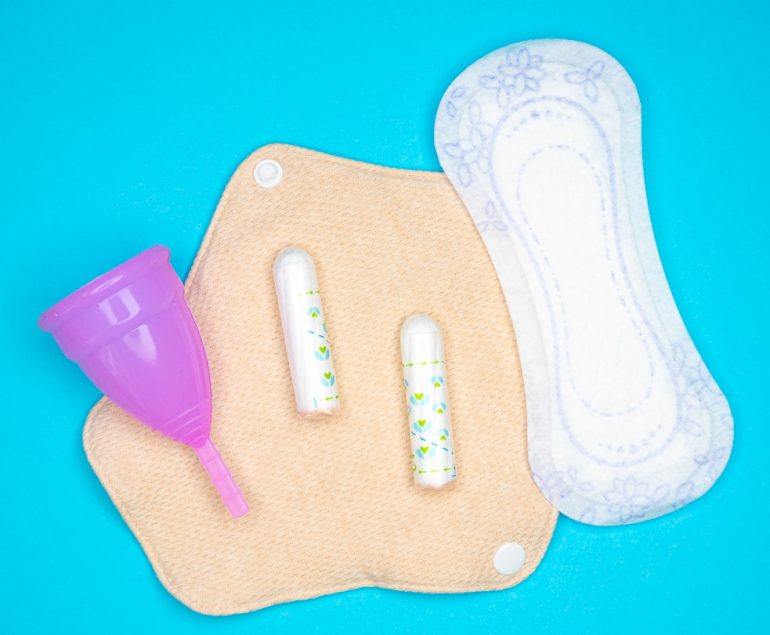
- Devices and Products: A range of devices and products are available to help manage incontinence, including absorbent pads and adult diapers, catheters for urinary retention, and pessaries for women with stress incontinence.
- Surgical Interventions: In some cases, surgery may be necessary to treat underlying conditions causing incontinence. Procedures such as sling procedures, bladder neck suspension, and artificial urinary sphincter implantation can help restore bladder control.
- Urinary incontinence is a common condition that can be managed and treated.
- Lifestyle changes, such as pelvic floor exercises and dietary adjustments, can significantly improve symptoms.
- Behavioral therapies, including bladder training and biofeedback, offer additional avenues for relief.
- Medical treatments, from medications to surgical interventions, are available for those who need them.
Understanding the specific type of urinary incontinence and its underlying cause is crucial for effective management and treatment. Healthcare providers use various diagnostic tools, including medical history, physical exams, and urodynamic tests, to determine the type and cause of incontinence.
Managing Urinary Incontinence: Lifestyle Changes and Behavioral Therapies
While urinary incontinence can be challenging to cope with, there are numerous lifestyle changes and behavioral therapies that can significantly improve symptoms. These approaches are often recommended as the first line of treatment, as they are non-invasive and can be highly effective. Some of the most beneficial lifestyle changes include:
In addition to these lifestyle changes, various behavioral therapies can provide significant relief. Biofeedback therapy, for example, uses sensors to help individuals become aware of physiological responses (such as muscle tension) that they are not normally aware of, allowing them to learn how to control these responses. Similarly, electrical stimulation can help strengthen the pelvic floor muscles and improve bladder control.
Treatment Options for Urinary Incontinence
For some individuals, lifestyle changes and behavioral therapies may not be enough to manage urinary incontinence effectively. In such cases, various medical treatments and surgical interventions can offer relief. These include:
It’s essential to consult with a healthcare provider to determine the most appropriate treatment plan, as the effectiveness of these options can vary depending on the individual’s specific condition and needs.
Conclusion: Taking Control of Urinary Incontinence
Urinary incontinence is more than just a medical condition; it’s a personal challenge that affects daily life, self-esteem, and overall well-being. However, with the right approach, it is possible to manage and even overcome incontinence. By understanding the causes and types of urinary incontinence, making informed lifestyle changes, exploring behavioral therapies, and considering medical treatments when necessary, individuals can regain control over their bladder and their lives.
The key takeaways from this guide are:
Breaking the silence around urinary incontinence is the first step towards seeking help and finding relief. By educating ourselves and others about this condition, we can work towards a future where no one has to suffer in silence. Whether you’re experiencing urinary incontinence yourself or know someone who is, remember that there is hope and help available. Take the first step today, and start your journey towards a life free from the burdens of incontinence.

At King Edward Medical College, he was the recipient of the “Most Distinguished Student” award and graduated at the top of his class. Upon completing his medical education, Dr. Zafar went on to pursue his urology training at Royal Shrewsbury Hospital and at Ealing and Hammersmith Hospitals in England. In 1994, he completed a Fellowship in Endourology at Methodist Hospital in Indianapolis, Indiana. The focus of his fellowship was in urinary and bladder stones, male and female incontinence, and male impotence.
Dr. Zafar has been an active member of the American Urological Association, American Association of Clinical Urologists, and Society of Laparoscopic Surgeons.