

Urinary incontinence – the uninvited guest that can disrupt even the most mundane daily activities. Imagine being in the middle of a meeting, a workout, or a night out with friends, and suddenly, you feel the unmistakable sensation of leakage. The embarrassment, the anxiety, and the constant fear of being “caught off guard” can be overwhelming. But here’s the thing: you’re not alone. Millions of people worldwide suffer from urinary incontinence, and it’s time to break the silence surrounding this often-stigmatized topic. In this comprehensive guide, we’ll delve into the world of urinary incontinence, exploring its causes, types, symptoms, and most importantly, management strategies.
Understanding Urinary Incontinence: Causes and Types
Urinary incontinence is a broader term that encompasses various conditions, each with its unique set of causes and characteristics. At its core, incontinence occurs when the normal process of storing and releasing urine is disrupted. This can happen due to problems with the muscles, nerves, or other tissues that control urination. Some common causes of urinary incontinence include:
- Weakened pelvic muscles: Often a result of childbirth, obesity, or age, weakened pelvic muscles can lead to stress incontinence, where physical movement or pressure (like coughing, sneezing, or exercising) causes involuntary urine leakage.
- Overactive bladder: Characterized by a sudden, intense need to urinate, overactive bladder can lead to urge incontinence, where the bladder contracts involuntarily, causing leakage.
- Neurological disorders: Conditions like Parkinson’s disease, multiple sclerosis, and stroke can damage the nerves that control bladder function, leading to neurogenic incontinence.
- Hormonal changes: Menopause in women can lead to a decrease in estrogen levels, which can cause the pelvic muscles to weaken, increasing the risk of incontinence.
- Stress incontinence: As mentioned, this type is triggered by physical stressors like coughing or sneezing.
- Urge incontinence: Characterized by a sudden need to urinate, often accompanied by involuntary leakage.
- Mixed incontinence: A combination of stress and urge incontinence.
- Overflow incontinence: Occurs when the bladder is not fully emptied, leading to frequent leakage.
- Functional incontinence: Happens when a physical or cognitive disability prevents a person from reaching the bathroom in time.
- Lifestyle modifications: Changes in diet (avoiding caffeine, alcohol, and spicy foods), losing weight, and quitting smoking can significantly reduce symptoms.
- Pelvic floor exercises: Known as Kegel exercises, these can help strengthen the muscles that support the bladder and urethra.
- Bladder training: A technique that involves gradually increasing the intervals between urinating to train the bladder to hold urine longer.
- Medications: For overactive bladder, medications can help relax the bladder muscle and increase bladder capacity.
- Surgical interventions: In some cases, surgery may be necessary to repair or support the pelvic muscles or to implant devices that help control urination.
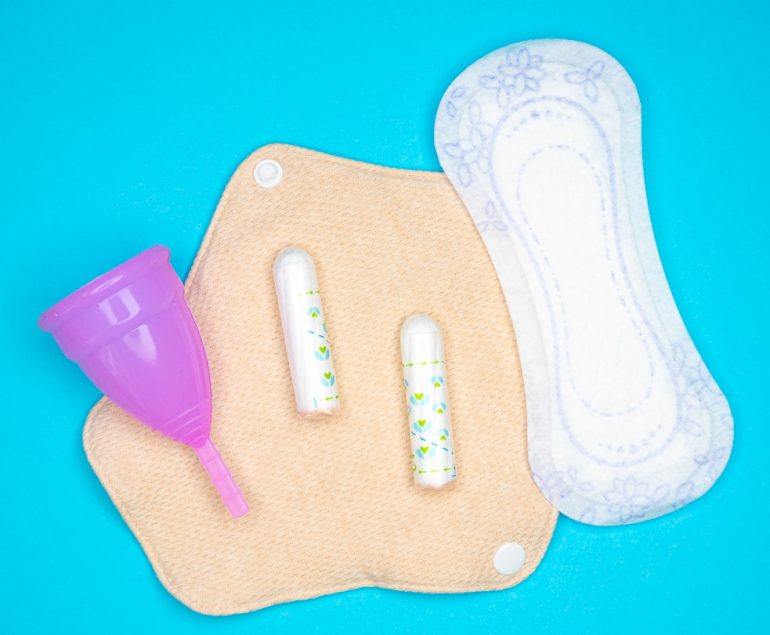
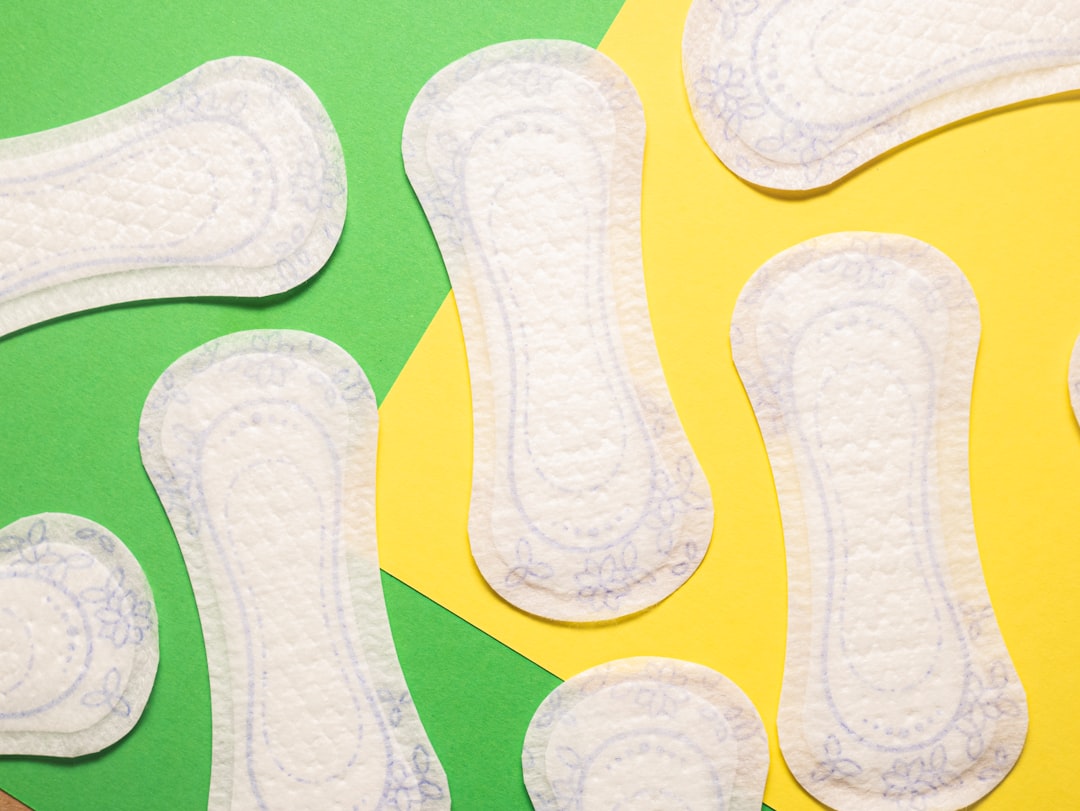
- Incontinence products: Adult diapers, pads, and protective underwear can provide peace of mind and protection against accidents.
- Catheters and collection devices: For those with severe incontinence or urinary retention, catheters and collection devices can be used to drain the bladder.
- Absorbent products for bedding and clothing: Designed to protect against leakage, these products can be a lifesaver during sleep or when engaging in activities that might trigger incontinence.
- Dietary changes: Avoiding foods and drinks that can irritate the bladder or exacerbate symptoms is a simple yet effective strategy.
- Urinary incontinence is more common than you think, affecting millions worldwide.
- It’s not just about “leaking” – incontinence can significantly impact quality of life.
- There are various types of urinary incontinence, each with its causes and management strategies.
- Lifestyle modifications, exercises, medications, and sometimes surgery can help manage symptoms.
- Don’t be afraid to seek help – talking about incontinence is the first step towards a solution.
There are several types of urinary incontinence, including:
Diagnosing and Treating Urinary Incontinence
Diagnosing urinary incontinence involves a combination of medical history, physical examination, and sometimes, diagnostic tests. Your healthcare provider may ask you to keep a bladder diary to track your fluid intake, urination patterns, and episodes of incontinence. This information is invaluable in determining the type and severity of your condition.
Treatment options vary depending on the type and cause of incontinence but can include:
Managing Urinary Incontinence: Products and Strategies
Living with urinary incontinence doesn’t mean you have to limit your activities or live in constant fear of leakage. There are numerous products and strategies designed to make managing incontinence easier and more discreet:
Conclusion: Taking Control of Urinary Incontinence
Urinary incontinence might be an unwelcome companion, but it doesn’t have to dictate your life. By understanding its causes, recognizing its types, and exploring the various management options available, you can regain control over your bladder and your life. Remember, seeking medical help is the first step towards a more confident, active you. Don’t let the stigma surrounding urinary incontinence silence you – speak with your healthcare provider, explore your treatment options, and join the millions of people worldwide who are taking back their lives, one conversation at a time.
Key takeaways:
By breaking the silence and embracing openness, we can work together to normalize the conversation around urinary incontinence, ensuring that everyone has access to the information, support, and care they need to live a life free from the fear of leakage.

At King Edward Medical College, he was the recipient of the “Most Distinguished Student” award and graduated at the top of his class. Upon completing his medical education, Dr. Zafar went on to pursue his urology training at Royal Shrewsbury Hospital and at Ealing and Hammersmith Hospitals in England. In 1994, he completed a Fellowship in Endourology at Methodist Hospital in Indianapolis, Indiana. The focus of his fellowship was in urinary and bladder stones, male and female incontinence, and male impotence.
Dr. Zafar has been an active member of the American Urological Association, American Association of Clinical Urologists, and Society of Laparoscopic Surgeons.