

Are you tired of feeling embarrassed about your unpredictable bladder? Do you avoid social situations or exercise because you’re afraid of leakage? You’re not alone. Urinary incontinence affects millions of people worldwide, yet it remains a taboo topic that’s often swept under the rug. It’s time to break the silence and take control of your bladder health. In this comprehensive guide, we’ll delve into the world of urinary incontinence, exploring its causes, types, symptoms, and most importantly, effective management strategies.
Understanding Urinary Incontinence: Causes and Types
Urinary incontinence is a common condition characterized by the involuntary loss of urine. It can range from mild leakage to complete loss of bladder control. But what causes this embarrassing and often debilitating condition? The answer lies in the complex interplay between the bladder, urethra, and pelvic floor muscles. Weakening of these muscles, nerve damage, or certain medical conditions can disrupt the normal functioning of the bladder, leading to incontinence. There are several types of urinary incontinence, including:
- Stress Incontinence: Leakage of urine during physical activities, such as coughing, sneezing, or exercise, due to weakened pelvic floor muscles.
- Urge Incontinence: Involuntary loss of urine accompanied by a sudden, urgent need to urinate, often caused by an overactive bladder.
- Mixed Incontinence: A combination of stress and urge incontinence.
- Overflow Incontinence: Frequent or constant dripping of urine due to an underactive bladder or blocked urethra.
- Functional Incontinence: Incontinence caused by physical or cognitive disabilities that make it difficult to reach the toilet in time.
- Lifestyle Modifications: Making simple changes to your daily habits, such as:
- Medications: Prescribed medications can help alleviate symptoms, such as:
- Surgical Interventions: In severe cases, surgery may be necessary to repair or support the bladder and urethra.
- Alternative Therapies: Acupuncture, physical therapy, and biofeedback therapy can also be effective in managing incontinence.
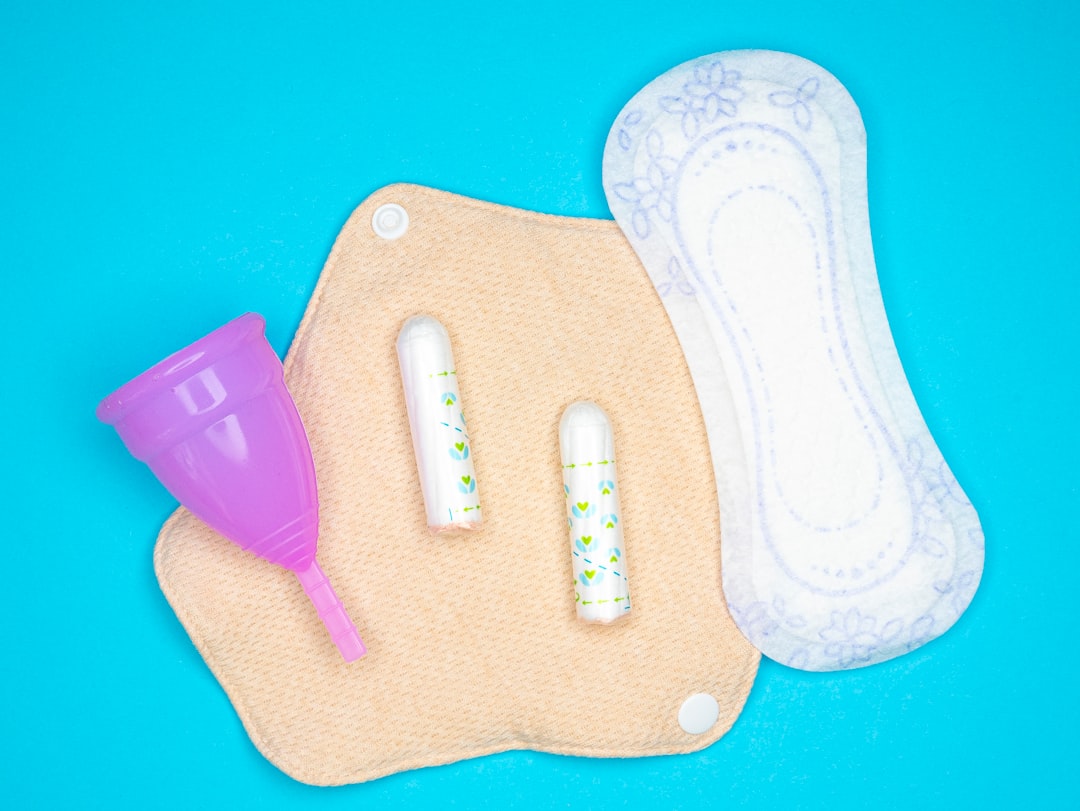
- Incontinence Products: Absorbent pads, adult diapers, and protective underwear can provide peace of mind and protection against leakage.
- Catheters and Collection Devices: Intermittent catheterization or indwelling catheters can help manage urinary retention or incontinence.
- Bed and Chair Protection: Waterproof mattress protectors, chair pads, and bed pads can prevent accidents and make cleanup easier.
- Toilet Accessories: Elevated toilet seats, grab bars, and non-slip mats can improve accessibility and safety in the bathroom.
- Keep a Bladder Diary: Tracking your fluid intake, urination schedule, and leakage episodes can help identify patterns and triggers.
- Stay Hydrated: Drinking enough water is essential for overall health, but it’s also important to avoid overhydration, which can exacerbate incontinence.
- Exercise Regularly: Engaging in physical activity, such as yoga or swimming, can help strengthen pelvic floor muscles and improve bladder control.
- Don’t be afraid to speak up: Break the silence and talk to your healthcare provider about your incontinence concerns.
- Explore treatment options: From lifestyle modifications to medications and surgery, there are various treatments available to manage incontinence.
- Use supportive products: Incontinence products, catheters, and toilet accessories can help manage symptoms and improve daily life.
- Stay informed and empowered: Continuously educate yourself about urinary incontinence, and don’t hesitate to seek help when you need it.
It’s essential to identify the underlying cause of your incontinence to develop an effective treatment plan. If you’re experiencing symptoms, consult with your healthcare provider to determine the best course of action.
Diagnosis and Treatment Options
Diagnosing urinary incontinence typically involves a physical exam, medical history, and urinalysis to rule out underlying conditions such as urinary tract infections or kidney stones. Your healthcare provider may also recommend urodynamic tests to assess bladder function and identify any abnormalities. Once the cause is determined, treatment options can be explored. These may include:
+ Pelvic Floor Exercises (Kegel exercises): Strengthening the muscles that support the bladder and urethra.
+ Bladder Training: Gradually increasing the time between trips to the bathroom to improve bladder control.
+ Dietary Changes: Avoiding bladder irritants, such as caffeine, spicy foods, and citrus fruits.
+ Anticholinergics: Relaxing the bladder muscle to reduce urgency and frequency.
+ Alpha-Blockers: Relaxing the muscles in the prostate and bladder neck to improve urine flow.
It’s crucial to work with your healthcare provider to develop a personalized treatment plan that addresses your specific needs and concerns.
Managing Urinary Incontinence: Tips and Products
While treating the underlying cause of incontinence is essential, there are also various products and strategies that can help manage symptoms and improve quality of life. These include:
In addition to these products, there are also several tips to help you manage incontinence:
By exploring these options and finding what works best for you, you can regain confidence and take control of your bladder health.
Conclusion and Key Takeaways
Urinary incontinence is a common and treatable condition that affects millions of people worldwide. By understanding the causes, types, and symptoms of incontinence, you can take the first step towards managing your symptoms and improving your quality of life. Remember, it’s essential to consult with your healthcare provider to determine the best course of treatment and develop a personalized plan. Key takeaways from this guide include:
By taking control of your bladder health and seeking support, you can overcome the challenges of urinary incontinence and live a more confident, active, and fulfilling life.

At King Edward Medical College, he was the recipient of the “Most Distinguished Student” award and graduated at the top of his class. Upon completing his medical education, Dr. Zafar went on to pursue his urology training at Royal Shrewsbury Hospital and at Ealing and Hammersmith Hospitals in England. In 1994, he completed a Fellowship in Endourology at Methodist Hospital in Indianapolis, Indiana. The focus of his fellowship was in urinary and bladder stones, male and female incontinence, and male impotence.
Dr. Zafar has been an active member of the American Urological Association, American Association of Clinical Urologists, and Society of Laparoscopic Surgeons.