

—
Introduction – Why the Conversation About Vasectomy Is More Important Than Ever
Imagine being able to make a permanent family‑planning decision without the hassle of daily pills, hormonal implants, or the anxiety of a “missed dose.” For millions of men worldwide, that freedom comes from a simple, outpatient surgery called a vasectomy. Yet despite its safety, effectiveness, and relatively low cost, many couples still hesitate—often because the facts are buried under myths, outdated information, or vague medical jargon.
In this post we’ll cut through the noise. Over the next 2,000 words you’ll discover:
- What a vasectomy actually involves – step‑by‑step, from consultation to the moment you leave the clinic.
- How to prepare and what to expect during recovery – actionable tips that keep you comfortable and speed up healing.
- The financial side of things – realistic cost estimates, insurance coverage, and hidden fees.
- Long‑term considerations – fertility options, reversal possibilities, and how a vasectomy fits into a broader reproductive plan.
- Allergies – especially to local anesthetics (e.g., lidocaine).
- Current medications – blood thinners (aspirin, warfarin) should be paused 5‑7 days prior to reduce bleeding.
- Recent infections – a scrotal or urinary tract infection must be treated first.
- Chronic conditions – uncontrolled diabetes or hypertension may require extra monitoring.
- “Will I lose my masculinity?” – A vasectomy does not affect testosterone levels, libido, or the ability to achieve erections.
- “What if I change my mind?” – While vasectomy reversal is possible, success rates drop with time (≈ 70 % reversal if done within 3 years, < 30 % after 10 years). Consider the decision permanent.
- “Will it be painful?” – Most men report mild soreness for 2‑3 days, manageable with OTC pain relievers and scrotal support.
- Apply ice – 10 minutes on, 10 minutes off, for the first 24 hours to reduce swelling.
- Wear snug underwear – A jockstrap or compression shorts keep the scrotum supported.
- Take pain medication – Ibuprofen 400 mg every 6 hours is often sufficient; avoid aspirin if you’re still on a blood‑thinner.
- Rest – Light activity (walking, gentle stretching) is fine, but avoid heavy lifting or vigorous exercise for at least 48 hours.
- Private health plans – Many cover the procedure partially or fully if deemed medically necessary. Check if a pre‑authorization is required.
- Medicare – Covers vasectomy when performed in a hospital outpatient setting, but not always for “elective” procedures.
- Employer‑provided health savings accounts (HSAs) or flexible spending accounts (FSAs) – Can be used to pay for out‑of‑pocket expenses tax‑free.
- Post‑op pain medication – Though OTC, you may need a short supply.
- Scrotal support garments – $10‑$30 for a quality jockstrap.
- Semen analysis – Some clinics include it; others charge $75‑$150 per test.
- Potential reversal – If you later seek a vasectomy reversal, expect costs ranging from $5,000 to $15,000, depending on surgeon expertise and geographic location.
- Testosterone levels – Hormone production remains unchanged because the testes are still functional.
- Erectile function – No increase in erectile dysfunction rates compared with the general population.
- Libido – Psychological factors may play a role, but physically there’s no reduction in desire.
Whether you’re a man contemplating the procedure, a partner seeking clarity, or simply curious about male sterilization, this guide gives you the reliable, SEO‑friendly information you need to make an informed decision. Let’s dive in.
—
1. Understanding the Vasectomy Procedure
1.1 What Is a Vasectomy?
A vasectomy is a minor surgical operation that blocks the two vas deferens—the tubes that carry sperm from the testicles to the urethra. By interrupting this pathway, sperm can no longer mix with semen, rendering ejaculate infertile while preserving sexual function, hormone production, and the ability to experience orgasm. In medical terms, it’s classified as a male sterilization method and boasts a success rate of over 99 %.
1.2 How the Surgery Is Performed
There are three common techniques, each performed under local anesthesia in a clinic or doctor’s office:
| Technique | How It Works | Typical Duration | Recovery Time |
|———–|————–|——————|—————|
| Conventional (incision) vasectomy | A small 1‑cm scrotal incision allows the surgeon to locate and cut each vas deferens. The ends are then tied, cauterized, or sealed. | 15‑30 min | 3‑7 days |
| No‑scalpel vasectomy (NSV) | A specialized puncture tool creates a tiny opening; the vas deferens are lifted out, cut, and sealed. Minimal bleeding. | 10‑20 min | 2‑4 days |
| Open‑ended vasectomy | One end of each vas is left open to allow sperm to be reabsorbed, reducing post‑op pressure. Often combined with NSV. | 15‑25 min | 2‑5 days |
Why no‑scalpel is popular: Studies show a 50 % reduction in bleeding, lower infection risk, and quicker return to normal activities compared with the conventional incision method.
1.3 What Happens on the Day of Surgery
1. Pre‑procedure consultation – Your urologist reviews medical history, discusses fertility goals, and answers any questions.
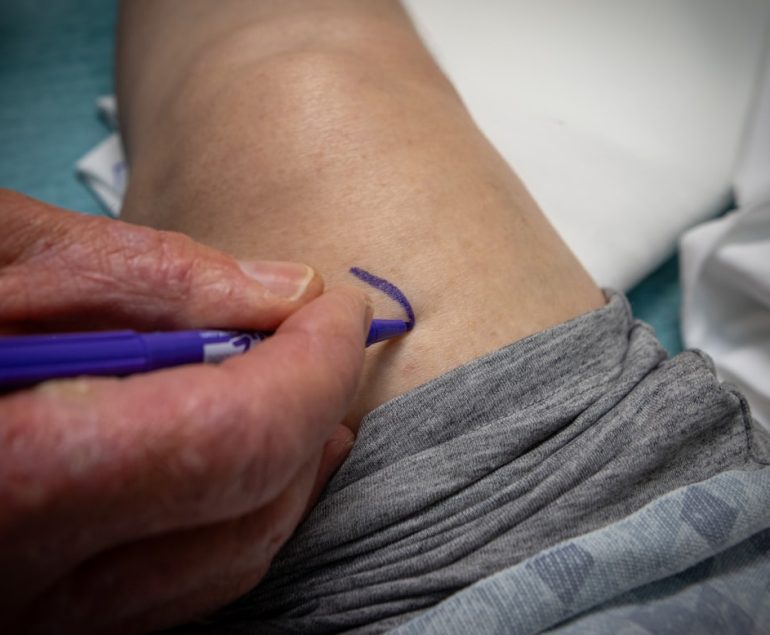
2. Local anesthesia – A tiny amount of lidocaine is injected into the scrotal skin; you stay awake and comfortable.
3. Accessing the vas deferens – Using the chosen technique, the surgeon isolates each tube.
4. Blocking the tubes – The vas is cut, and the ends are either tied (ligated), cauterized with heat, or sealed with surgical clips.
5. Closing the site – In NSV, the puncture closes on its own; in the incision method, a few dissolvable stitches may be placed.
6. Post‑op instructions – You receive a written care plan, a prescription for over‑the‑counter pain relief if needed, and a schedule for the follow‑up semen analysis.
The whole process feels like a quick office visit—most men report only mild pressure or a brief sting during the anesthetic injection.
—
2. Preparing for a Successful Vasectomy
2.1 Medical Clearance and Lifestyle Checks
Before the vasectomy procedure, your doctor will ask about:
If you smoke, consider quitting at least two weeks before surgery. Smoking impairs wound healing and can increase post‑op discomfort.
2.2 Practical Pre‑Op Checklist
| Item | Why It Matters | How to Complete |
|——|—————-|—————–|
| Schedule a partner’s presence | Emotional support reduces anxiety and helps with post‑op care. | Ask a friend or partner to stay for the first 24 hours. |
| Arrange transportation | You’ll have a local anesthetic, not full sedation, but it’s still wise to avoid driving while numb. | Book a ride or ask a family member. |
| Prepare a “comfort kit” | Ice packs, loose underwear, and over‑the‑counter pain relievers (ibuprofen or acetaminophen) keep swelling low. | Pack a small bag the night before. |
| Plan for time off | Most men can return to light work in 2‑3 days; a full day off is advisable for rest. | Speak with your employer about a half‑day or remote‑work option. |
| Know your semen analysis schedule | Fertility confirmation typically occurs 8‑12 weeks post‑op. | Set a calendar reminder for the lab appointment. |
2.3 Mental Preparation – Addressing Common Fears
Having honest conversations with your partner and urologist can dissolve these anxieties before the day of the surgery.
—
3. Post‑Procedure Recovery – What to Expect and How to Speed It Up
3.1 Immediate Aftercare (First 24 Hours)
3.2 Managing Common Side Effects
| Symptom | Typical Duration | Home Remedy |
|———|——————|————-|
| Bruising | 3‑7 days | Cold compresses; keep head elevated while sleeping. |
| Mild swelling | Up to 2 weeks | Scrotal support + occasional ice. |
| Slight spotting in semen | First 2‑3 ejaculations | Normal; sperm are still present. |
| Discomfort during urination | Rare, < 24 hrs | Warm sitz bath; if persists, call the clinic. |
If you experience fever over 38 °C (100.4 °F), increasing pain, or heavy bleeding, seek medical attention promptly—these could signal infection.
3.3 The “Semen Clearance” Timeline
Sperm can linger in the vas deferens for weeks after the cut. Most doctors recommend two to three ejaculations per week after the procedure, and a semen analysis after 8‑12 weeks to confirm azoospermia (no sperm). Until a negative test is received, continue using an additional contraceptive method (condoms, hormonal birth control, etc.).
3.4 Returning to Normal Activities
| Activity | Recommended Wait Time |
|———-|———————–|
| Driving | 24 hours (if no pain or numbness) |
| Gym / Weightlifting | 1‑2 weeks (avoid straining the groin) |
| Sexual intercourse | 1‑2 weeks (or after doctor’s clearance) |
| Swimming / Hot tubs | 1 week (to prevent infection) |
Gradual re‑introduction prevents setbacks and keeps you comfortable.
—
4. Financial Considerations – How Much Does a Vasectomy Really Cost?
4.1 Average Procedure Costs
| Region (U.S.) | Typical Range (USD) | What’s Included |
|—————|———————|—————–|
| North-East | $500‑$1,200 | Consultation, anesthesia, procedure, follow‑up semen analysis |
| Midwest | $350‑$800 | Same as above |
| West Coast | $600‑$1,500 | Same as above |
| Southern states | $300‑$750 | Same as above |
Internationally, costs vary widely: in the United Kingdom, the NHS provides vasectomy free of charge for residents, while private clinics charge £350‑£600. In Canada, provincial health plans cover the procedure, though some provinces require a modest co‑pay.
4.2 Insurance Coverage
Always request an itemized estimate before the appointment to avoid surprise fees for anesthesia, facility use, or lab tests.
4.3 Hidden Costs to Anticipate
4.4 Cost‑Benefit Analysis
While the upfront expense may seem notable, consider the lifetime savings compared to other contraceptive methods:
| Method | Approx. Annual Cost | Lifetime Cost (30 years) |
|——–|——————–|————————–|
| Condoms (average 2 per week) | $30‑$50 | $900‑$1,500 |
| Oral contraceptive (partner) | $150‑$300 | $4,500‑$9,000 |
| IUD (5‑year lifespan) | $0 (after insertion) | $500‑$1,000 total |
| Vasectomy (single procedure) | $500‑$1,200 | $500‑$1,200 total |
When you factor in the zero‑maintenance nature of a vasectomy, the procedure becomes a cost‑effective, long‑term solution for many families.
—
5. Long‑Term Outlook – What Happens Years After a Vasectomy?
5.1 Effect on Sexual Health
Multiple studies confirm that a vasectomy does not impact:
In fact, many men report improved sexual satisfaction after the anxiety of unintended pregnancy is removed.
5.2 Fertility After Reversal
If you later decide that you want children, a vasectomy reversal (vasovasostomy or vasoepididymostomy) is an option. Success depends on:
| Factor | Influence on Success |
|——–|———————-|
| Time since vasectomy | 10 years: < 30 % |
| Age of the man | Younger men have higher pregnancy rates post‑reversal. |
| Surgeon experience | High‑volume microsurgeons achieve better outcomes. |
| **

At King Edward Medical College, he was the recipient of the “Most Distinguished Student” award and graduated at the top of his class. Upon completing his medical education, Dr. Zafar went on to pursue his urology training at Royal Shrewsbury Hospital and at Ealing and Hammersmith Hospitals in England. In 1994, he completed a Fellowship in Endourology at Methodist Hospital in Indianapolis, Indiana. The focus of his fellowship was in urinary and bladder stones, male and female incontinence, and male impotence.
Dr. Zafar has been an active member of the American Urological Association, American Association of Clinical Urologists, and Society of Laparoscopic Surgeons.