

—
Introduction – When the Unexpected Leak Becomes a Daily Distraction
Imagine you’re at a business meeting, laughing with colleagues, when suddenly you feel a warm trickle that you can’t stop. Your mind races, your cheeks flush, and the rest of the day feels shadowed by embarrassment. For the millions of adults who experience urinary incontinence, that moment isn’t a one‑off—it’s a recurring reality that can erode confidence, limit social activities, and even affect mental health.
But here’s the good news: urinary incontinence is treatable, and many effective strategies don’t require invasive surgery or costly medications. By understanding the different types, identifying triggers, and adopting a mix of lifestyle tweaks, pelvic‑floor training, and smart product choices, you can reclaim the freedom to move, work, and laugh without fear. This guide walks you through the most practical, evidence‑based steps to manage urinary incontinence, whether you’re dealing with occasional leaks or a more persistent problem.
—
1. Know Your Leak: Types, Causes, and When to Seek Help
1.1 The Four Main Categories
| Type | Typical Triggers | Who It Affects Most |
|——|——————|———————|
| Stress Incontinence | Coughing, sneezing, laughing, lifting heavy objects | Women after childbirth or menopause; some men post‑prostate surgery |
| Urge Incontinence (Overactive Bladder) | Sudden, intense urge to void; may wake you at night | Adults of any age, especially those with bladder muscle overactivity |
| Mixed Incontinence | Combination of stress and urge symptoms | Up to 50 % of women with bladder issues |
| Overflow Incontinence | Constant dribbling, feeling of incomplete emptying | Men with enlarged prostate; neurological conditions |
Understanding which pattern you experience is the first step toward targeted treatment. If you’re unsure, a simple bladder diary—recording fluid intake, voiding times, and leak episodes for three days—can provide clues for your healthcare provider.
1.2 Common Underlying Causes
- Weak Pelvic Floor Muscles – The “hammock” that supports the bladder can stretch or lose tone after pregnancy, surgery, or aging.
- Hormonal Shifts – Decreased estrogen after menopause can thin the urethral lining, reducing its sealing ability.
- Neurological Disorders – Multiple sclerosis, Parkinson’s disease, or spinal cord injuries can disrupt bladder signaling.
- Medications – Diuretics, antihistamines, and certain antidepressants may increase urgency or reduce bladder capacity.
- Chronic Constipation – A full rectum presses on the bladder, worsening leaks.
- Leakage occurs more than once a week or interferes with daily life.
- You notice blood, foul odor, or pain with urination (possible infection).
- Sudden onset after a fall, surgery, or new medication.
- Difficulty starting or stopping urine flow, or a feeling of incomplete emptying.
- Aim for 1.5–2 L of water daily, spread evenly across waking hours.
- Limit bladder irritants: caffeine, alcohol, carbonated drinks, citrus, and artificial sweeteners.
- Use the “double‑drink” rule: If you’re thirsty, sip a glass, wait 10 minutes, then decide if you still need more. This reduces unnecessary bladder filling.
- Maintain a healthy BMI – Even a modest 5‑% weight loss can reduce pressure on the pelvic floor and improve stress incontinence.
- Fiber‑rich foods (whole grains, fruits, vegetables) keep stools soft, preventing the straining that weakens pelvic support.
- Probiotic‑rich foods (yogurt, kefir, kimchi) may lower the risk of recurrent UTIs, which can aggravate urgency leaks.
- Low‑impact cardio (walking, swimming, cycling) improves circulation without jarring the pelvic floor.
- Core‑stabilizing routines (planks, bird‑dogs) reinforce the abdominal wall, offering indirect support to the bladder.
- Avoid heavy lifting or use proper technique: bend at the knees, keep the load close to the body, and engage the pelvic floor before lifting.
- Locate the right muscles: Imagine stopping the flow of urine mid‑stream or preventing gas. Those are your pelvic floor muscles.
- The “quick‑hold” test: While urinating, try to pause the stream for 2–3 seconds. If you can, you’ve identified the correct muscles. (Only use this as a test, not a regular exercise.)
- Perform three sets daily (morning, afternoon, evening).
- Focus on quality over quantity: a firm, steady contraction is more effective than a shaky, long hold.
- Biofeedback Devices – Small vaginal or anal probes give real‑time visual feedback, helping you fine‑tune muscle engagement.
- Electrical Stimulation (E‑Stim) – A gentle, low‑voltage pulse stimulates weak muscles, often prescribed by physical therapists for severe cases.
- Weighted Vaginal Cones – Insert a small, graduated weight and contract the pelvic floor to hold it in place; gradually increase weight as strength improves.
- You’ve tried Kegels for 4–6 weeks with little improvement.
- You experience pain during pelvic exercises or notice “bulging” sensations.
- You have a complex condition (post‑prostatectomy, pelvic organ prolapse, or neurological disease).
- Change products promptly – At least every 4–6 hours, or sooner if you feel damp.
- Cleanse gently – Use lukewarm water and a mild, fragrance‑free cleanser; pat dry, don’t rub.
- Apply barrier creams (zinc oxide or dimethicone) to protect against moisture‑related dermatitis.
- Urethral Bulking Agents – Injections of gel‑like substances to narrow the urethra, improving stress incontinence. Usually performed outpatient, lasting 1–2 years.
- Botox® Injections – 100–200 units injected into the bladder wall to relax overactive muscles; effect lasts 6–9 months.
- Percutaneous Posterior Tibial Nerve Stimulation (PTNS) – Small electrical pulses applied near the ankle modulate bladder reflexes; weekly sessions for 12 weeks, then maintenance.
1.3 When to Call a Professional
A primary care physician, urologist, or urogynecologist can run a brief physical exam, urine analysis, and possibly a post‑void residual test to pinpoint the cause. Early evaluation often prevents complications like skin irritation, urinary tract infections (UTIs), and social isolation.
—
2. Lifestyle Tweaks That Make a Real Difference
2.1 Fluid Management Without Dehydration
2.2 Diet, Weight, and Bowel Health
2.3 Smart Scheduling: Bladder Training
1. Set a baseline – Record how often you currently urinate.
2. Create a schedule – Start by voiding every 2‑hour intervals, even if you don’t feel the urge.
3. Gradually extend the interval by 15 minutes each week, aiming for 4–5 voids per day.
4. Use “delay tactics” – When urgency strikes, try the “stop‑start” method: pause for a few seconds, then try again; repeat 2–3 times before finally going.
Consistent bladder training can increase functional bladder capacity by up to 30 % in many patients, reducing both urgency and frequency.
2.4 Exercise and Core Strength
—
3. Pelvic Floor Mastery: Kegels and Beyond
3.1 Getting the Basics Right
3.2 Structured Kegel Routine
| Phase | Reps | Hold Time | Rest |
|——-|——|———–|——|
| Beginner | 5 | 3 seconds | 10 seconds |
| Intermediate | 10 | 5–7 seconds | 5 seconds |
| Advanced | 15 | 8–10 seconds | 2 seconds |
3.3 Advanced Pelvic Floor Tools
3.4 When to See a Pelvic Health Physical Therapist
A certified pelvic health PT can tailor a program, incorporate manual therapy, and teach you proper breathing techniques that synergize with pelvic floor activation.
—
4. Choosing the Right Products: From Pads to Protective Underwear
4.1 Absorbent Products – What’s Available?
| Product Type | Ideal For | Absorbency (ml) | Pros | Cons |
|————–|———–|—————-|——|——|
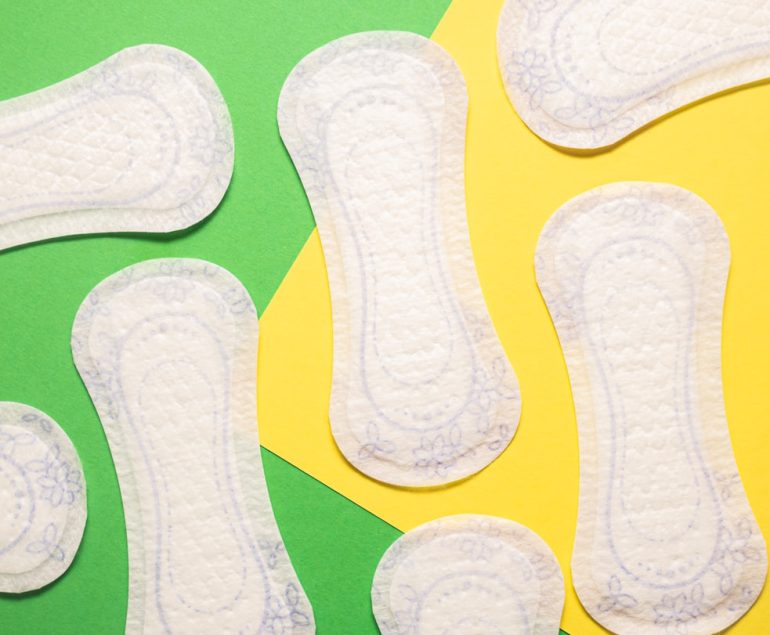
| Disposable Pads | Light to moderate leaks | 15‑50 | Easy, discreet, inexpensive | Can cause skin irritation if not changed promptly |
| Reusable Cloth Pads | Eco‑conscious users, light leaks | 10‑30 | Washable, cost‑effective long term | Requires laundering; may be bulkier |
| Protective Underwear (Briefs) | Moderate to heavy leaks, nighttime | 60‑200 | Full coverage, comfortable fit | Higher cost; may need frequent changes |
| Adult Diapers | Severe incontinence, limited mobility | 150‑400+ | Maximum protection, easy to put on/off | Bulkier, may affect confidence if not chosen carefully |
4.2 How to Pick the Right Fit
1. Measure your waist and hips – Use a flexible tape measure; most brands provide size charts.
2. Assess absorbency needs – Start with a pad; if you need to change it more than three times a day, upgrade to briefs or a diaper.
3. Check for odor control – Products with activated charcoal or antimicrobial layers help keep you fresh.
4. Skin‑friendly features – Look for breathable fabrics, hypoallergenic liners, and moisture‑wicking technology to prevent rash.
4.3 Maintaining Skin Health
—
5. Medical and Surgical Options – When Conservative Measures Aren’t Enough
5.1 Medication Overview
| Medication | Primary Use | Typical Side Effects |
|————|————-|———————-|
| Anticholinergics (oxybutynin, tolterodine) | Reduce bladder muscle overactivity (urge incontinence) | Dry mouth, constipation, blurred vision |
| Beta‑3 Agonists (mirabegron) | Relax bladder muscle, increase capacity | Elevated blood pressure, headache |
| Topical Estrogen (creams, rings) | Strengthen urethral tissue (post‑menopausal women) | Vaginal irritation, rare systemic effects |
| Duloxetine (Cymbalta) | Boost urethral sphincter tone (stress incontinence) | Nausea, insomnia, increased sweating |
Medication should be prescribed after a thorough evaluation, especially if you have comorbidities like glaucoma, uncontrolled hypertension, or severe constipation.
5.2 Minimally Invasive Procedures
5.3 Surgical Solutions
| Procedure | Who It Helps | Recovery Time |
|———–|————–|—————-|
| Mid‑Urethral Sling | Women with stress incontinence | 2–4 weeks for full activity |
| Artificial Urinary Sphincter (AUS) | Men with severe post‑prostatectomy leakage | 6–8 weeks; device lifespan 10–15 years |
| Bladder Neck Suspension | Women with mixed incontinence | 3–4 weeks |
| Sacral Neuromodulation | Refractory urge incontinence | 2‑stage surgery; 2–3 months for programming |
Surgery is typically considered after conservative therapies and minimally invasive options have been exhausted. Discuss potential risks, success rates, and lifestyle impacts with a urologist or urogynecologist.
—
Conclusion – Your Personalized Roadmap to Confidence
Urinary incontinence may feel like an uninvited guest that shows up at the worst moments, but it’s far from a life sentence. By first identifying the type of leak, you can choose the most effective combination of lifestyle adjustments, pelvic‑floor training, and product support. Simple changes—like moderating caffeine, staying active, and keeping a bladder diary—often yield noticeable improvements within weeks.
If those steps aren’t enough, targeted therapies such as biofeedback, medication, or minimally invasive procedures can bridge the gap. And for those with severe or persistent symptoms, modern surgical options offer long‑term relief with high satisfaction rates.
The key takeaway? You are not alone, and you have choices. Start with a quick self‑assessment, talk openly with a healthcare professional, and experiment with one or two evidence‑based strategies at a time. With patience and consistency, you’ll soon find the confidence to laugh, lift, and live without the constant worry of an unexpected leak.

At King Edward Medical College, he was the recipient of the “Most Distinguished Student” award and graduated at the top of his class. Upon completing his medical education, Dr. Zafar went on to pursue his urology training at Royal Shrewsbury Hospital and at Ealing and Hammersmith Hospitals in England. In 1994, he completed a Fellowship in Endourology at Methodist Hospital in Indianapolis, Indiana. The focus of his fellowship was in urinary and bladder stones, male and female incontinence, and male impotence.
Dr. Zafar has been an active member of the American Urological Association, American Association of Clinical Urologists, and Society of Laparoscopic Surgeons.