

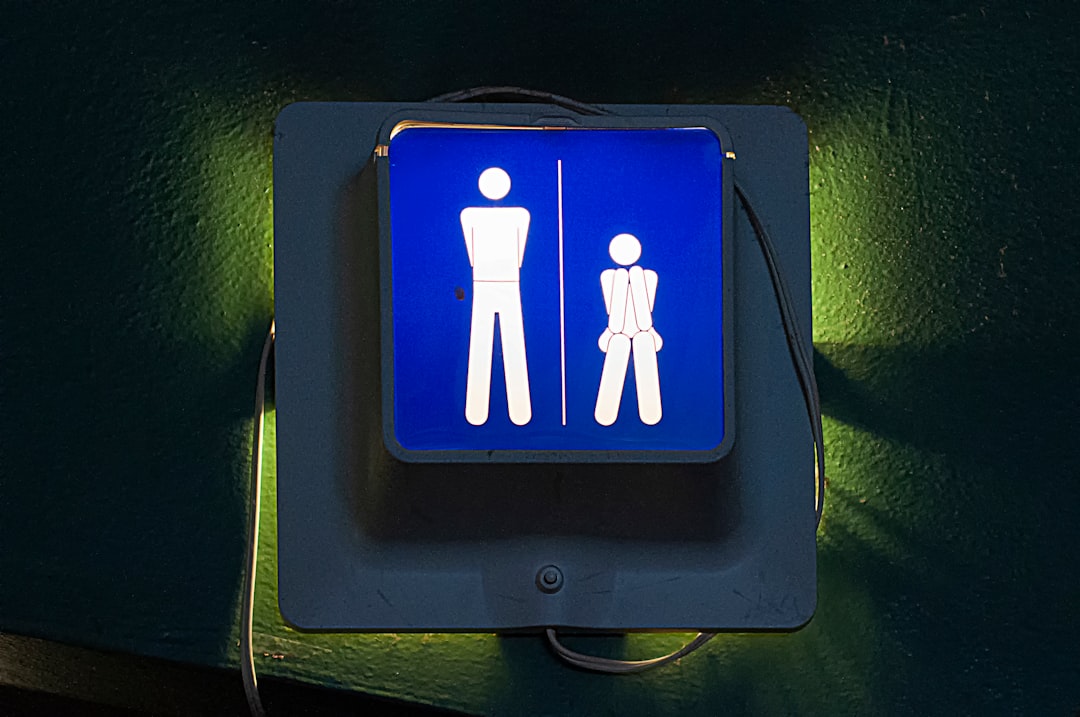

Are you tired of feeling like you’re constantly running to the bathroom? Do you find yourself interrupting meetings, conversations, and even sleep to answer the call of nature? You’re not alone. Frequent urination, also known as urinary frequency, affects millions of people worldwide, causing discomfort, anxiety, and disruption to daily life. But what causes this pesky problem, and more importantly, how can you manage it? In this comprehensive guide, we’ll delve into the world of frequent urination, exploring its causes, symptoms, and most effective treatment options.
What is Frequent Urination?
Frequent urination is characterized by the need to urinate more often than usual, typically more than eight times in a 24-hour period. This can be accompanied by other symptoms such as urgency, nocturia (waking up to urinate at night), and incontinence. While it’s normal to urinate several times a day, frequent urination can be a sign of an underlying medical condition, such as a urinary tract infection (UTI), overactive bladder, or diabetes. It’s essential to identify the root cause of your frequent urination to develop an effective treatment plan.
Causes of Frequent Urination
So, what’s behind this sudden urge to go? There are several possible causes of frequent urination, including:
- Urinary Tract Infections (UTIs): Bacterial infections in the urinary tract can cause inflammation and irritation, leading to frequent urination.
- Overactive Bladder: A condition characterized by an overactive bladder muscle, causing a sudden, intense urge to urinate.
- Diabetes: High blood sugar levels can damage the nerves that control the bladder, leading to frequent urination.
- Pregnancy: Hormonal changes and pressure on the bladder during pregnancy can cause frequent urination.
- Aging: Weakened bladder muscles and decreased bladder capacity can contribute to frequent urination in older adults.
- Medications: Certain medications, such as diuretics, can increase urine production and lead to frequent urination.
- Caffeine and Alcohol: Consuming high amounts of caffeine and alcohol can act as diuretics, increasing urine production and frequency.
- Keep a Bladder Diary: Tracking your urination patterns, fluid intake, and symptoms can help you identify triggers and patterns.
- Practice Pelvic Floor Exercises: Strengthening your pelvic floor muscles through Kegel exercises can help improve bladder control.
- Modify Your Diet: Avoiding irritants like caffeine, alcohol, and spicy foods can help reduce symptoms.
- Stay Hydrated: Drinking enough water is essential, but avoiding excessive fluid intake can help reduce frequency.
- Consider Medications: If your frequent urination is caused by an underlying medical condition, your doctor may prescribe medications to help manage symptoms.
- Try Bladder Training: Gradually increasing the time between trips to the bathroom can help your bladder learn to hold more urine.
- Painful Urination: If you experience pain or burning while urinating, it may be a sign of a UTI or other underlying condition.
- Blood in the Urine: If you notice blood or discoloration in your urine, seek medical attention immediately.
- Fever: If you have a fever, chills, or other symptoms of infection, seek medical attention.
- Incontinence: If you experience incontinence or leakage, seek medical attention to rule out underlying conditions.
- Frequent urination can be caused by underlying medical conditions, lifestyle factors, or a combination of both.
- Keeping a bladder diary, practicing pelvic floor exercises, and modifying your diet can help manage symptoms.
- Seeking medical attention is essential if you experience painful urination, blood in the urine, fever, or incontinence.
- With the right treatment and lifestyle changes, you can reduce the frequency and urgency of urination and improve your overall bladder health.
Managing Frequent Urination
The good news is that there are many ways to manage frequent urination, from lifestyle changes to medical treatments. Here are some actionable tips to help you take control:
When to Seek Medical Attention
While frequent urination can be uncomfortable and inconvenient, it’s essential to seek medical attention if you experience:
In conclusion, frequent urination is a common problem that can be managed with the right approach. By understanding the causes, symptoms, and treatment options, you can take control of your bladder health and reduce the frequency and urgency of urination. Remember to stay hydrated, practice pelvic floor exercises, and modify your diet to reduce symptoms. If you’re experiencing persistent or severe symptoms, don’t hesitate to seek medical attention. With the right treatment and lifestyle changes, you can say goodbye to the constant urge to go and hello to a more comfortable, confident you.
Key takeaways:

At King Edward Medical College, he was the recipient of the “Most Distinguished Student” award and graduated at the top of his class. Upon completing his medical education, Dr. Zafar went on to pursue his urology training at Royal Shrewsbury Hospital and at Ealing and Hammersmith Hospitals in England. In 1994, he completed a Fellowship in Endourology at Methodist Hospital in Indianapolis, Indiana. The focus of his fellowship was in urinary and bladder stones, male and female incontinence, and male impotence.
Dr. Zafar has been an active member of the American Urological Association, American Association of Clinical Urologists, and Society of Laparoscopic Surgeons.