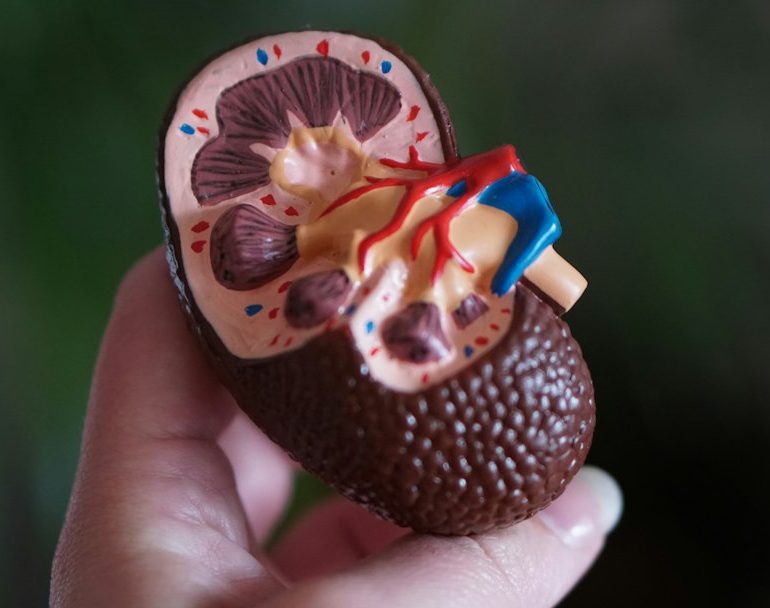



As we go about our daily lives, it’s easy to take our urinary system for granted. But when problems arise, it can be a real wake-up call. From painful kidney stones to debilitating urinary tract infections (UTIs), urological issues can significantly impact our quality of life. But what exactly is urology, and how can we prioritize our urinary health? In this comprehensive guide, we’ll delve into the world of urology, exploring its key concepts, common conditions, and expert tips for maintaining a healthy urinary system.
Introduction to Urology: The Basics
Urology is the branch of medicine that deals with the diagnosis, treatment, and management of disorders related to the urinary system. This includes the kidneys, ureters, bladder, and urethra. Urologists are medical doctors who specialize in the treatment of urological conditions, which can range from benign prostatic hyperplasia (BPH) to bladder cancer. With the help of advanced diagnostic tools and treatment options, urologists can help patients overcome a wide range of urological issues. Whether you’re experiencing symptoms like frequent urination, painful urination, or blood in the urine, a urologist can provide personalized care and guidance.
Common Urological Conditions: Causes, Symptoms, and Treatments
Urological conditions can be broadly categorized into several types, including kidney stones, UTIs, prostate issues, and bladder problems. Let’s take a closer look at some of the most common conditions:
- Kidney Stones: These are small, hard deposits that form in the kidneys when there is an imbalance of water, salt, and other substances in the urine. Symptoms include severe pain, nausea, and vomiting. Treatment options include pain management, hydration, and surgical removal of the stone.
- Urinary Tract Infections (UTIs): These are bacterial infections that occur in the urinary system, often affecting the bladder and urethra. Symptoms include burning during urination, frequent urination, and abdominal pain. Treatment typically involves antibiotics and self-care measures like staying hydrated and practicing good hygiene.
- Benign Prostatic Hyperplasia (BPH): This is a non-cancerous enlargement of the prostate gland, which can cause symptoms like difficulty starting urination, weak urine flow, and frequent urination. Treatment options include medication, lifestyle changes, and surgical procedures like transurethral resection of the prostate (TURP).
- Bladder Cancer: This is a type of cancer that occurs in the bladder, often caused by exposure to certain chemicals, radiation, or smoking. Symptoms include blood in the urine, painful urination, and frequent urination. Treatment options include surgery, chemotherapy, and radiation therapy.
- Stay Hydrated: Drinking plenty of water helps to flush out bacteria and other substances that can cause UTIs and kidney stones.
- Practice Good Hygiene: Wipe from front to back, avoid using scented soaps, and wear loose-fitting clothing to reduce the risk of UTIs.
- Urinate When Needed: Holding in urine for too long can lead to UTIs, kidney stones, and other problems.
- Eat a Balanced Diet: A diet rich in fruits, vegetables, and whole grains can help to support urinary health.
- Exercise Regularly: Regular physical activity can help to improve overall health, including urinary health.
- Robotic Surgery: This type of surgery uses robotic systems to perform complex procedures with greater precision and accuracy.
- Laser Therapy: This type of therapy uses high-energy lasers to treat conditions like kidney stones and BPH.
- Stem Cell Therapy: This type of therapy uses stem cells to repair damaged tissues and promote healing.
Maintaining Urinary Health: Tips and Strategies
While urological conditions can be challenging to deal with, there are many ways to prioritize your urinary health. Here are some expert tips:
Advanced Urological Treatments: The Future of Urinary Care
In recent years, there have been significant advances in urological treatments, from minimally invasive surgery to innovative therapies like immunotherapy. Some of the most exciting developments include:
Conclusion: Key Takeaways and Next Steps
In conclusion, urology is a complex and fascinating field that plays a critical role in maintaining our overall health and well-being. By understanding common urological conditions, prioritizing urinary health, and staying up-to-date with the latest treatments and technologies, we can take control of our urinary health and live healthier, happier lives. Whether you’re experiencing symptoms or simply want to learn more about urology, we hope this guide has provided valuable insights and actionable information. Remember to stay hydrated, practice good hygiene, and seek medical attention if you’re experiencing any unusual symptoms. With the right care and attention, you can maintain a healthy urinary system and enjoy optimal overall health.

At King Edward Medical College, he was the recipient of the “Most Distinguished Student” award and graduated at the top of his class. Upon completing his medical education, Dr. Zafar went on to pursue his urology training at Royal Shrewsbury Hospital and at Ealing and Hammersmith Hospitals in England. In 1994, he completed a Fellowship in Endourology at Methodist Hospital in Indianapolis, Indiana. The focus of his fellowship was in urinary and bladder stones, male and female incontinence, and male impotence.
Dr. Zafar has been an active member of the American Urological Association, American Association of Clinical Urologists, and Society of Laparoscopic Surgeons.