

—
Introduction – Why Urology Matters to Everyone
Imagine waking up with a sudden urge to dash to the bathroom, feeling a lingering pressure in your lower abdomen, or noticing a subtle change in the color of your urine. For many, these moments are dismissed as “just a little inconvenience.” In reality, they can be early signals from the body’s complex urinary and reproductive systems—systems that a urologist is trained to protect, diagnose, and treat. Urology isn’t just a specialty for men or for older adults; it’s a field that touches every stage of life, from childhood kidney health to senior prostate care. In this post, we’ll demystify the world of urology, explore the most common conditions, and give you practical, doctor‑approved steps to keep your urinary tract and reproductive organs running smoothly.
—
1. The Foundations: Anatomy and Function of the Urinary System
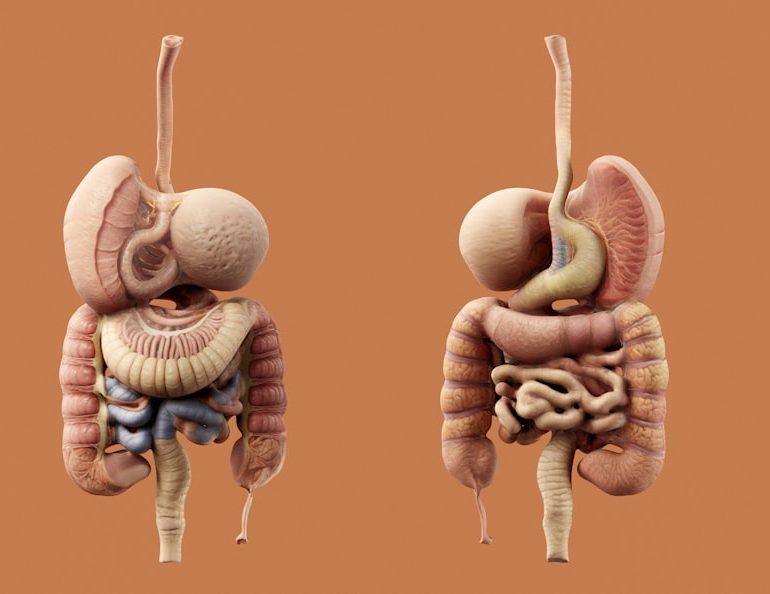
Before diving into diseases and treatments, it helps to know the playground you’re protecting. The urinary system comprises two kidneys, two ureters, the bladder, and the urethra. Together, they filter waste, balance electrolytes, regulate blood pressure, and maintain fluid homeostasis. In men, the prostate gland and seminal vesicles sit just below the bladder, adding a reproductive dimension to urological health.
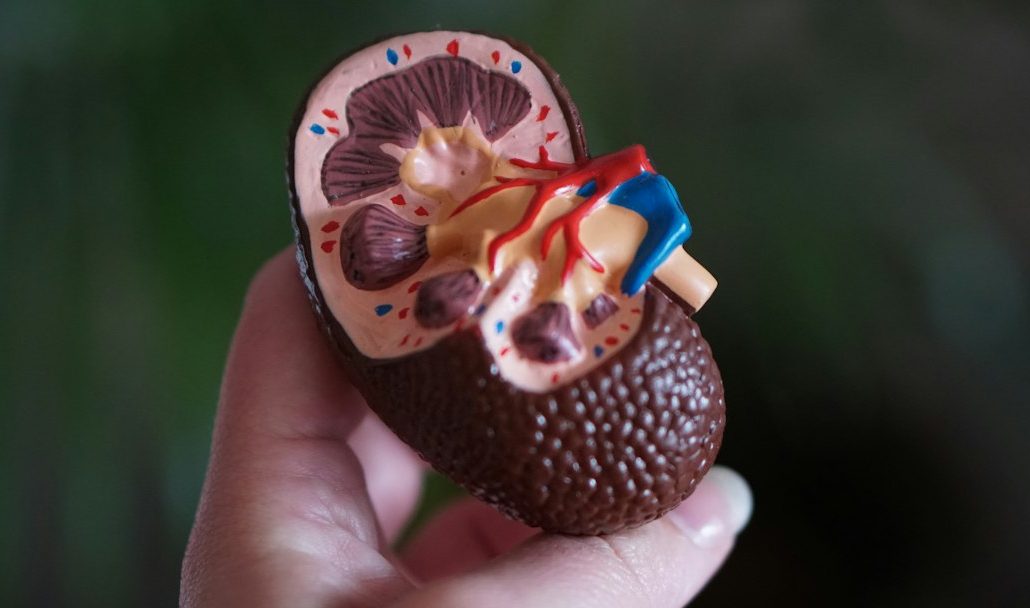
- Kidneys: Bean‑shaped filters that remove toxins and excess fluids, turning them into urine.
- Ureters: Narrow tubes that transport urine from each kidney to the bladder using rhythmic muscle contractions called peristalsis.
- Bladder: A stretchy muscular sac that stores urine until you’re ready to void.
- Urethra: The final conduit that releases urine out of the body; in men, it also carries semen.
- Stay Hydrated – Aim for 3 liters of water daily; urine should be pale yellow.
- Watch Your Diet – Reduce excessive sodium, animal protein, and oxalate‑rich foods (spinach, nuts, chocolate) if you’re prone to calcium oxalate stones.
- Citrate Boost – Citrus fruits like lemons and oranges increase urinary citrate, which helps prevent stone formation.
- Age 50+ – Discuss annual PSA testing with your doctor if you have average risk.
- Age 45–49 – Consider testing if you have a family history or are African‑American (higher risk).
- Age 40–44 – Testing may be appropriate for those with strong genetic predisposition.
- Bladder Training – Gradually increase intervals between bathroom visits, starting with 1‑hour increments.
- Weight Management – Excess weight puts pressure on the bladder and pelvic floor.
- Kegel Exercises – Contract the pelvic floor muscles for 5 seconds, release for 5 seconds; repeat 10–15 times, three times a day.
- Medical History Review – Your urologist will ask about symptoms, lifestyle, and family history.
- Physical Examination – Includes a DRE for men and a pelvic exam for women if needed.
- Diagnostic Tests – Urinalysis, blood work, imaging (ultrasound, CT, MRI), and sometimes endoscopic procedures like cystoscopy.
- Goal: 2–3 liters of water daily, adjusted for climate, activity level, and kidney function.
- Tip: Carry a reusable bottle with time markers (e.g., “8 oz every hour”) to keep intake consistent.
- Low‑Oxalate Diet – If you’ve had calcium oxalate stones, limit spinach, rhubarb, beetroot, and nuts.
- Citrate‑Rich Foods – Lemon juice, orange juice, and grapefruit can help prevent stone formation.
- Fiber & Probiotics – A diet high in fiber and fermented foods supports gut health, indirectly reducing urinary inflammation.
- Kegels aren’t just for postpartum women. Men recovering from prostate surgery also benefit.
- Biofeedback Devices – Wearable sensors can guide you to the correct muscle contraction, enhancing effectiveness.
- STI Prevention – Use condoms and get regular screenings; some infections (e.g., chlamydia) can cause urethritis.
- Lubrication – Choose water‑based lubricants to avoid irritation that could lead to urinary discomfort.
- Diabetes – Tight glucose control reduces the risk of diabetic cystopathy and recurrent infections.
- Hypertension – Proper blood pressure management protects kidney function over the long term.
- Regular Cardio – Improves circulation to the pelvic region and helps maintain a healthy bladder capacity.
- Strength Training – Core and lower‑body exercises support pelvic floor stability.
Understanding this layout clarifies why certain symptoms point to specific locations. For example, flank pain often signals kidney involvement, while burning during urination usually points to the bladder or urethra.
Actionable Insight:
Start a simple “urinary health log” if you notice recurring symptoms. Note the time of day, fluid intake, pain level, and any triggers (e.g., certain foods or activities). Over a week, patterns emerge that can guide both you and your urologist toward a faster, more accurate diagnosis.
—
2. Common Urological Conditions and How to Tackle Them
a. Urinary Tract Infections (UTIs)
UTIs affect millions each year, with women being three times more likely to develop them due to a shorter urethra. Symptoms include a strong, persistent urge to urinate, burning sensation, cloudy or foul‑smelling urine, and sometimes mild fever.
Prevention Tips:
1. Hydrate Frequently – Aim for at least 2–2.5 liters of water daily to flush bacteria.
2. Mind Your Bathroom Habits – Urinate after intercourse and always wipe front‑to‑back.
3. Avoid Irritants – Limit caffeine, alcohol, and spicy foods that can irritate the bladder lining.
When to Act: If symptoms persist beyond 48 hours or you develop fever, flank pain, or blood in the urine, seek medical attention promptly. Early antibiotic therapy can prevent complications like kidney infection.
b. Kidney Stones
Kidney stones form when minerals crystallize in the urine, creating hard deposits that can range from grain‑size to golf‑ball size. Classic signs include sudden, severe flank pain radiating to the groin, nausea, vomiting, and hematuria (blood in urine).
Lifestyle Strategies:
Medical Options: Small stones often pass spontaneously with pain management and hydration. Larger stones may require shock wave lithotripsy, ureteroscopy, or percutaneous nephrolithotomy—procedures performed by a urologist with minimal downtime.
c. Benign Prostatic Hyperplasia (BPH) and Prostate Health
As men age, the prostate commonly enlarges—a condition known as BPH. Symptoms include weak urine stream, frequent nighttime trips (nocturia), incomplete bladder emptying, and occasional dribbling.
Self‑Care Measures:
1. Timed Voiding – Schedule bathroom trips every 3–4 hours to train the bladder.
2. Limit Evening Fluids – Reduce caffeine and alcohol after 6 p.m. to lessen nocturia.
3. Pelvic Floor Exercises – Strengthening the levator ani muscles can improve urinary flow.
When to See a Urologist: If you experience acute urinary retention (inability to urinate) or recurrent urinary infections, a medical evaluation is essential. Treatments range from prescription alpha‑blockers (e.g., tamsulosin) to minimally invasive procedures like transurethral microwave therapy (TUMT) or laser prostatectomy.
d. Prostate Cancer Screening
Prostate cancer is the second most common cancer among men worldwide. Early detection relies heavily on the prostate‑specific antigen (PSA) blood test and digital rectal exam (DRE).
Screening Guidelines (2023‑2024):
Key Takeaway: Elevated PSA doesn’t always mean cancer; inflammation, infection, or recent ejaculation can raise levels. A urologist may recommend repeat testing, MRI, or a targeted biopsy to clarify the diagnosis.
e. Urinary Incontinence
Incontinence affects both men and women, ranging from occasional leakage after a cough (stress incontinence) to a sudden urge to urinate (overactive bladder).
Practical Steps:
If lifestyle changes don’t help, a urologist can explore medications (anticholinergics, beta‑3 agonists) or minimally invasive devices like the urethral sling.
f. Male Infertility
Urology also covers reproductive health. About 15% of couples experience infertility, with male factors contributing half of the cases. Common causes include varicoceles, low sperm count, and hormonal imbalances.
Action Plan:
1. Seek Early Evaluation – A semen analysis is the first step; it’s painless and inexpensive.
2. Lifestyle Tweaks – Avoid excessive heat (hot tubs, tight underwear), limit alcohol, quit smoking, and maintain a healthy BMI.
3. Medical Interventions – Varicoceles can be corrected surgically (microsurgical varicocelectomy), while hormonal issues may respond to medication.
—
3. Knowing When to Call a Urologist – Red Flags and Routine Checks
Even the best self‑care routine can’t replace professional expertise. Here are the top scenarios that merit a prompt urology appointment:
| Red Flag | Why It Matters | Typical Next Steps |
|———-|—————-|——————–|
| Sudden inability to urinate | Possible acute urinary retention, a urological emergency | Catheterization, imaging, possible BPH treatment |
| Persistent blood in urine (hematuria) | Could signal stones, infection, or tumors | Urinalysis, CT scan, cystoscopy |
| Severe, unrelenting flank pain | May indicate a large kidney stone or infection | Imaging (CT KUB), possible lithotripsy |
| Repeated UTIs (≥3 per year) | Suggests underlying anatomical issue or resistant bacteria | Urine culture, possibly a cystoscopy |
| Elevated PSA with no obvious cause | Early detection of prostate cancer | Repeat PSA, MRI, biopsy if indicated |
| Chronic pelvic pain | May be prostatitis, interstitial cystitis, or nerve issues | Physical exam, urine tests, possibly referral to pain specialist |
What to Expect at Your First Visit:
Being prepared with a symptom log, medication list, and any previous test results can streamline the appointment and help the urologist craft a tailored plan.
—
4. Lifestyle Strategies for Lifelong Urological Wellness
Your daily habits have a profound impact on urinary and reproductive health. Below are evidence‑backed lifestyle tweaks that support the entire urological system.
a. Hydration – The Ultimate Detox
b. Nutrition for a Healthy Bladder and Kidneys
c. Pelvic Floor Mastery
d. Safe Sexual Practices
e. Manage Chronic Conditions
f. Exercise and Weight Control
Quick Checklist for Daily Urological Health:
1. Drink water consistently throughout the day.
2. Limit caffeine after 2 p.m. to reduce nocturia.
3. Perform a 5‑minute pelvic floor routine each morning.
4. Choose a balanced diet rich in fruits, vegetables, and lean protein.
5. Schedule an annual urology check‑up after age 40 (or earlier if you have risk factors).
—
5. Emerging Advances: The Future of Urology
Urology is one of the fastest‑evolving medical specialties, thanks to technology that makes diagnosis less invasive and treatment more precise. Here are a few breakthroughs shaping the next decade.
a. Robotic‑Assisted Surgery
Robotic platforms (e.g., da Vinci) enable surgeons to perform prostatectomies, partial neph

At King Edward Medical College, he was the recipient of the “Most Distinguished Student” award and graduated at the top of his class. Upon completing his medical education, Dr. Zafar went on to pursue his urology training at Royal Shrewsbury Hospital and at Ealing and Hammersmith Hospitals in England. In 1994, he completed a Fellowship in Endourology at Methodist Hospital in Indianapolis, Indiana. The focus of his fellowship was in urinary and bladder stones, male and female incontinence, and male impotence.
Dr. Zafar has been an active member of the American Urological Association, American Association of Clinical Urologists, and Society of Laparoscopic Surgeons.