

The Ultimate Guide to Urology: Understanding the Importance of Urinary Health

As we go about our daily lives, it’s easy to take our bodily functions for granted. But have you ever stopped to think about the intricate systems that keep us alive and healthy? The urinary system, in particular, plays a vital role in our overall well-being, and yet, it’s often overlooked until something goes wrong. That’s why it’s essential to understand the importance of urology, the branch of medicine that deals with the diagnosis, treatment, and prevention of disorders related to the urinary tract and male reproductive system. In this comprehensive guide, we’ll delve into the world of urology, exploring its various aspects, and providing you with valuable insights and actionable tips to maintain optimal urinary health.

What is Urology, and Why is it Important?

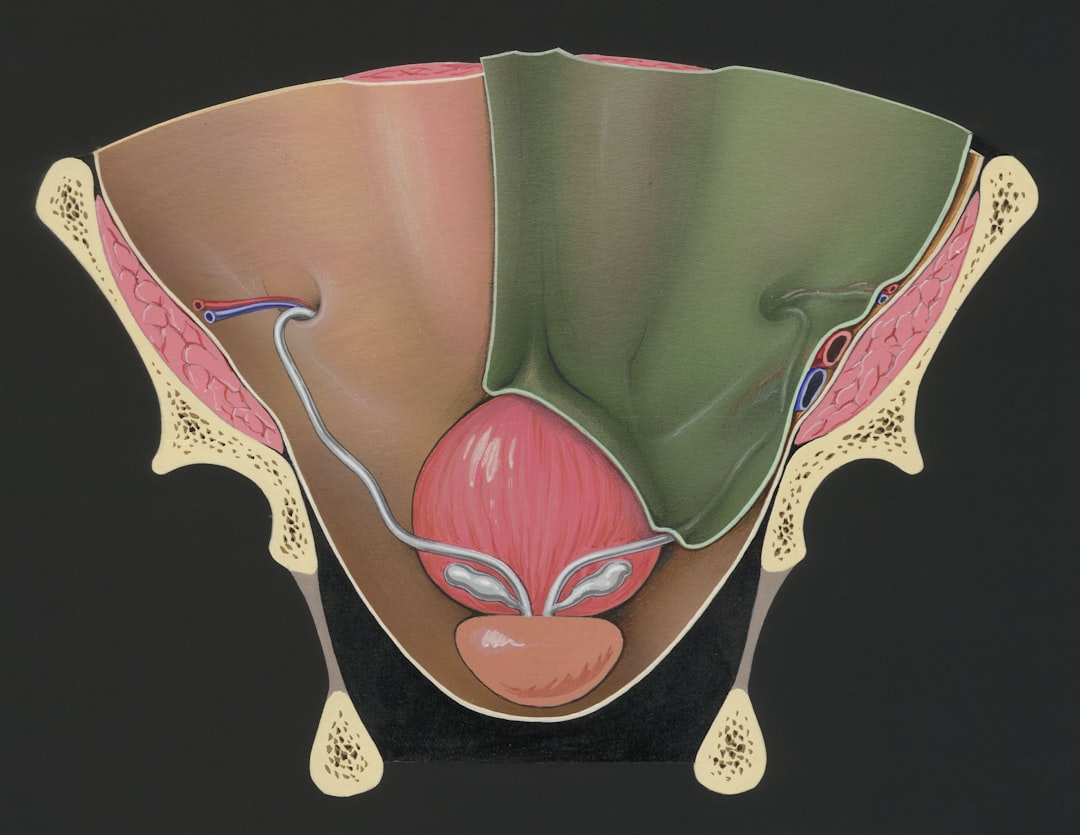
Urology is a medical specialty that focuses on the diagnosis, treatment, and management of disorders affecting the urinary tract, including the kidneys, bladder, ureters, and urethra. Urologists also deal with issues related to the male reproductive system, such as prostate health, infertility, and erectile dysfunction. The importance of urology cannot be overstated, as urinary tract problems can significantly impact a person’s quality of life. From painful kidney stones to debilitating bladder conditions, urological disorders can affect anyone, regardless of age or sex. In fact, according to the American Urological Association (AUA), urinary tract problems account for over 10 million doctor visits each year in the United States alone.

Common Urological Conditions and Their Treatment Options

Urological conditions can range from mild to severe, and it’s essential to be aware of the common disorders that can affect the urinary tract and male reproductive system. Some of the most prevalent conditions include:

  • Urinary Tract Infections (UTIs): Bacterial infections that can affect any part of the urinary system, causing symptoms such as burning during urination, frequent urination, and abdominal pain. Treatment options include antibiotics, pain relief medications, and lifestyle changes, such as increasing fluid intake and practicing good hygiene.
  • Kidney Stones: Small, hard mineral deposits that can form in the kidneys and cause severe pain, nausea, and vomiting. Treatment options include medication to help pass the stones, surgical removal, and lifestyle changes, such as staying hydrated and reducing salt intake.
  • Benign Prostatic Hyperplasia (BPH): A non-cancerous enlargement of the prostate gland that can cause urinary symptoms, such as weak flow, frequent urination, and difficulty starting to urinate. Treatment options include medication, lifestyle changes, and surgical procedures, such as transurethral resection of the prostate (TURP).
  • Erectile Dysfunction (ED): A condition characterized by the inability to achieve or maintain an erection, affecting over 30 million men in the United States. Treatment options include medication, such as sildenafil (Viagra), lifestyle changes, and psychological counseling.
  • Maintaining Optimal Urinary Health: Tips and Strategies

    While urological conditions can be debilitating, there are many ways to maintain optimal urinary health and reduce the risk of developing these disorders. Here are some valuable tips and strategies:

  • Stay Hydrated: Drinking plenty of water helps to flush out bacteria and minerals that can cause urinary tract problems. Aim to drink at least eight glasses of water a day.
  • Practice Good Hygiene: Wipe from front to back, avoid using scented soaps or bubble baths, and wear loose-fitting clothing to reduce the risk of UTIs.
  • Maintain a Healthy Diet: Eat a balanced diet rich in fruits, vegetables, and whole grains, and limit your intake of salt, sugar, and processed foods.
  • Exercise Regularly: Regular physical activity can help to improve urinary health by reducing the risk of obesity, diabetes, and other conditions that can increase the risk of urological disorders.
  • Manage Stress: Chronic stress can exacerbate urinary tract problems, so it’s essential to find healthy ways to manage stress, such as meditation, yoga, or deep breathing exercises.
  • Advances in Urology: Emerging Trends and Technologies

    The field of urology is constantly evolving, with new technologies and treatments emerging to improve patient care and outcomes. Some of the exciting advances in urology include:

  • Robotic Surgery: Minimally invasive surgical procedures that use robotic systems to perform complex operations, such as prostate removal and kidney stone removal.
  • Laser Therapy: Non-invasive treatments that use laser energy to treat conditions such as kidney stones, BPH, and bladder cancer.
  • Stem Cell Therapy: Emerging treatments that use stem cells to repair damaged tissues and organs, including the kidneys and bladder.
  • Personalized Medicine: Tailored treatment approaches that take into account an individual’s unique genetic profile, medical history, and lifestyle factors.
  • In conclusion, urology is a vital branch of medicine that plays a critical role in maintaining our overall health and well-being. By understanding the importance of urology, being aware of common urological conditions, and taking steps to maintain optimal urinary health, we can reduce the risk of developing debilitating disorders and improve our quality of life. Remember, a healthy urinary system is just as important as a healthy heart or lungs, so don’t neglect your urological health. Stay informed, stay proactive, and consult with a urologist if you have any concerns or questions about your urinary health. Key takeaways include:

  • Urology is a medical specialty that deals with the diagnosis, treatment, and prevention of disorders related to the urinary tract and male reproductive system.
  • Common urological conditions include UTIs, kidney stones, BPH, and ED.
  • Maintaining optimal urinary health requires staying hydrated, practicing good hygiene, eating a balanced diet, exercising regularly, and managing stress.
  • Advances in urology include robotic surgery, laser therapy, stem cell therapy, and personalized medicine.

By following these tips and staying informed about the latest developments in urology, you can take control of your urinary health and enjoy a healthier, happier life.

The Ultimate Guide to PSA Tests: What You Need to Know About Prostate Cancer Screening

As men age, the risk of developing prostate cancer increases, making it essential to stay on top of health checks and screenings. One of the most common and effective ways to detect prostate cancer in its early stages is through a Prostate-Specific Antigen (PSA) test. But what exactly is a PSA test, and how does it work? In this comprehensive guide, we’ll delve into the world of PSA testing, exploring its benefits, limitations, and what you can expect from the process. Whether you’re a man over 50 or simply looking to stay informed about prostate health, this article is for you.

What is a PSA Test?

A PSA test is a simple blood test that measures the level of Prostate-Specific Antigen in your blood. PSA is a protein produced by the prostate gland, and while it’s normal for men to have some PSA in their blood, high levels can indicate the presence of prostate cancer. The test is usually performed as part of a routine health checkup, and it’s often recommended for men over 50 or those with a family history of prostate cancer. The PSA test is not a diagnostic test, but rather a screening tool that can help identify potential issues early on.

During the test, a healthcare professional will take a blood sample from your arm, which is then sent to a laboratory for analysis. The results are typically measured in nanograms per milliliter (ng/mL), with most men having a PSA level below 4 ng/mL. However, it’s essential to note that PSA levels can fluctuate, and a single high reading doesn’t necessarily mean you have prostate cancer. Your doctor will consider various factors, including your age, medical history, and overall health, when interpreting your PSA results.

Understanding PSA Test Results

So, what do your PSA test results mean? Here’s a breakdown of the different PSA levels and what they might indicate:

  • PSA level below 4 ng/mL: This is generally considered a normal reading, and most men will fall within this range.
  • PSA level between 4-10 ng/mL: This range is often considered borderline, and your doctor may recommend further testing or monitoring.
  • PSA level above 10 ng/mL: This is typically considered high, and your doctor may recommend a biopsy or other diagnostic tests to determine the cause of the elevated PSA level.
  • It’s essential to remember that PSA levels can be influenced by various factors, including:

  • Prostate size: Men with larger prostates may naturally have higher PSA levels.
  • Age: PSA levels tend to increase with age, even in healthy men.
  • Medications: Certain medications, such as finasteride, can affect PSA levels.
  • Prostate infections: Infections or inflammation of the prostate can cause PSA levels to rise.
  • The Benefits and Limitations of PSA Testing

    PSA testing has been a game-changer in the detection and treatment of prostate cancer. The benefits of PSA testing include:

  • Early detection: PSA tests can detect prostate cancer in its early stages, when it’s more treatable.
  • Improved treatment options: Early detection can lead to more effective treatment options, including surgery, radiation therapy, or active surveillance.
  • Reduced mortality rates: Studies have shown that PSA testing can reduce prostate cancer mortality rates by up to 40%.
  • However, PSA testing is not without its limitations. Some of the drawbacks include:

  • False positives: Elevated PSA levels can be caused by non-cancerous conditions, leading to unnecessary biopsies or treatments.
  • Overdiagnosis: PSA testing can detect slow-growing tumors that may never cause symptoms or affect a man’s quality of life.
  • Overtreatment: Men with low-risk prostate cancer may undergo unnecessary treatments, which can have side effects and impact their quality of life.
  • What to Expect from the PSA Testing Process

    If you’re due for a PSA test, here’s what you can expect from the process:

    1. Pre-test preparation: Your doctor may ask you to avoid certain activities, such as bike riding or heavy lifting, for 24-48 hours before the test.
    2. The blood test: The actual test is quick and straightforward, with a healthcare professional taking a blood sample from your arm.
    3. Results and follow-up: Your doctor will discuss your results with you, and if necessary, recommend further testing or monitoring.
    4. Biopsy or other diagnostic tests: If your PSA level is high, your doctor may recommend a biopsy or other diagnostic tests to determine the cause of the elevated PSA level.

    In conclusion, PSA testing is a valuable tool in the detection and treatment of prostate cancer. While it’s essential to understand the benefits and limitations of PSA testing, it’s also crucial to stay informed and proactive about your prostate health. By knowing your PSA level and discussing your results with your doctor, you can make informed decisions about your health and take steps to reduce your risk of prostate cancer. Remember, early detection is key, and PSA testing can be a lifesaver.

    Key takeaways:

  • PSA testing is a simple blood test that measures Prostate-Specific Antigen levels in your blood.
  • PSA levels can fluctuate, and a single high reading doesn’t necessarily mean you have prostate cancer.
  • Understanding your PSA test results and discussing them with your doctor is essential.
  • PSA testing has its benefits and limitations, and it’s crucial to stay informed and proactive about your prostate health.
  • Early detection is key, and PSA testing can be a lifesaver.

Title: Navigating the World of Urology: A Comprehensive Guide to Urologist Consultation

Are you experiencing discomfort or pain in your urinary tract, or perhaps struggling with issues related to your reproductive health? If so, it’s time to consider consulting a urologist. As a specialist in the diagnosis, treatment, and prevention of disorders related to the urinary system and male reproductive system, a urologist can provide you with the expert care and guidance you need. But what exactly happens during a urologist consultation, and how can you prepare for your appointment? In this comprehensive guide, we’ll delve into the world of urology, exploring the ins and outs of urologist consultations, and arming you with the knowledge you need to take control of your health.

Understanding the Role of a Urologist

Before we dive into the consultation process, it’s essential to understand the role of a urologist. Urologists are medical doctors who specialize in the diagnosis, treatment, and prevention of disorders related to the urinary system, including the kidneys, bladder, ureters, and urethra. They also specialize in the male reproductive system, treating conditions such as prostate cancer, erectile dysfunction, and infertility. Urologists use a combination of medical and surgical techniques to treat a wide range of conditions, from kidney stones and urinary tract infections to bladder cancer and prostate issues.

Urologists often work in conjunction with other healthcare professionals, such as primary care physicians, oncologists, and radiologists, to provide comprehensive care to their patients. They may also perform surgical procedures, such as vasectomies, prostatectomies, and cystectomies, to treat various urological conditions. With their advanced training and expertise, urologists are equipped to handle even the most complex and delicate cases, making them an essential part of the healthcare system.

Preparing for Your Urologist Consultation

When preparing for your urologist consultation, there are several things you can do to ensure a productive and successful appointment. First and foremost, it’s essential to gather all relevant medical information, including your medical history, test results, and any previous treatments or procedures you’ve undergone. This will help your urologist understand your condition and develop an effective treatment plan.

You should also make a list of questions and concerns to discuss with your urologist during the consultation. This may include questions about your diagnosis, treatment options, and any potential risks or side effects associated with your condition. Additionally, be sure to ask about any lifestyle changes you can make to manage your condition and improve your overall health.

Some common questions to ask your urologist during the consultation include:

  • What are the causes and symptoms of my condition?
  • What are my treatment options, and which one is best for me?
  • What are the potential risks and side effects associated with my treatment?
  • How can I manage my condition and prevent future complications?
  • What lifestyle changes can I make to improve my overall health and well-being?
  • What to Expect During Your Urologist Consultation

    During your urologist consultation, you can expect a thorough and comprehensive evaluation of your condition. Your urologist will begin by reviewing your medical history and discussing your symptoms and concerns. They may also perform a physical exam, including a pelvic exam, to assess your condition and identify any potential issues.

    Depending on your condition, your urologist may order diagnostic tests, such as urine analysis, blood work, or imaging studies, to confirm your diagnosis and develop an effective treatment plan. These tests may include:

  • Urinalysis: a test to analyze your urine for signs of infection, blood, or other abnormalities
  • Blood work: a test to check your blood for signs of infection, inflammation, or other conditions
  • Imaging studies: such as ultrasound, CT scans, or MRI scans, to visualize your urinary system and identify any potential issues
  • Your urologist may also discuss treatment options with you, including medication, surgery, or lifestyle changes. They will work with you to develop a personalized treatment plan that addresses your unique needs and concerns.

    Common Urological Conditions and Treatments

    Urologists treat a wide range of conditions, from common issues like urinary tract infections and kidney stones to more complex conditions like prostate cancer and bladder cancer. Some common urological conditions and their treatments include:

  • Urinary tract infections (UTIs): treated with antibiotics and lifestyle changes, such as increasing fluid intake and practicing good hygiene
  • Kidney stones: treated with medication, surgery, or lifestyle changes, such as increasing fluid intake and reducing salt intake
  • Prostate cancer: treated with surgery, radiation therapy, or hormone therapy
  • Bladder cancer: treated with surgery, chemotherapy, or radiation therapy
  • Erectile dysfunction: treated with medication, lifestyle changes, or surgery
  • It’s essential to note that each condition requires a unique approach, and your urologist will work with you to develop a personalized treatment plan that addresses your specific needs and concerns.

    Conclusion and Key Takeaways

    In conclusion, a urologist consultation is a vital step in maintaining your urinary and reproductive health. By understanding the role of a urologist, preparing for your consultation, and knowing what to expect during your appointment, you can take control of your health and make informed decisions about your care.

    Key takeaways from this guide include:

  • Urologists specialize in the diagnosis, treatment, and prevention of disorders related to the urinary system and male reproductive system
  • Preparing for your urologist consultation by gathering medical information and making a list of questions and concerns can help ensure a productive and successful appointment
  • During your consultation, your urologist will perform a thorough evaluation, including a physical exam and diagnostic tests, to develop an effective treatment plan
  • Common urological conditions, such as UTIs, kidney stones, and prostate cancer, require unique approaches and treatments
  • Lifestyle changes, such as increasing fluid intake and practicing good hygiene, can help manage and prevent urological conditions

By following these tips and taking an active role in your healthcare, you can maintain optimal urinary and reproductive health and reduce your risk of developing urological conditions. Remember, a urologist consultation is an essential step in taking control of your health, and with the right guidance and care, you can overcome even the most complex and delicate conditions.

The Ultimate Guide to Dialysis: Understanding the Process, Benefits, and Lifestyle Changes

Are you or a loved one living with kidney disease? If so, you’re likely familiar with the term “dialysis.” But do you really understand what it entails? Dialysis is a life-saving treatment that helps filter waste products from the blood when the kidneys are no longer able to perform this function. In this comprehensive guide, we’ll delve into the world of dialysis, exploring the process, benefits, and lifestyle changes that come with it. Whether you’re a patient, caregiver, or simply looking to learn more, this article is designed to provide you with valuable insights and actionable information.

What is Dialysis and How Does it Work?

Dialysis is a medical treatment that uses a machine to filter waste products, excess salt, and excess water from the blood. There are two main types of dialysis: hemodialysis and peritoneal dialysis. Hemodialysis uses a machine to pump blood outside the body, where it’s filtered and then returned to the body. This process typically takes place in a dialysis center or at home, several times a week. Peritoneal dialysis, on the other hand, uses the peritoneum, a membrane in the abdomen, as a filter. A dialysis solution is infused into the abdomen, where it absorbs waste products and excess fluids. The solution is then drained and replaced with fresh solution.

The dialysis process can be complex, but it’s essential to understand the basics. During hemodialysis, the machine uses a dialyzer, a filter that removes waste products and excess fluids from the blood. The dialyzer is filled with a dialysate solution, which helps to remove waste products and excess electrolytes. The blood is then returned to the body, free from waste products and excess fluids. Peritoneal dialysis works in a similar way, but instead of using a machine, it relies on the peritoneum to filter waste products.

Benefits of Dialysis and Lifestyle Changes

While dialysis can be a life-saving treatment, it’s essential to understand the benefits and lifestyle changes that come with it. Some of the benefits of dialysis include:

  • Improved overall health and well-being
  • Reduced symptoms of kidney disease, such as fatigue and swelling
  • Increased energy levels and ability to perform daily activities
  • Improved appetite and nutrition
  • However, dialysis also requires significant lifestyle changes. Patients may need to:

  • Follow a strict diet that limits fluid intake, sodium, and protein
  • Take medications to control blood pressure, anemia, and bone disease
  • Attend regular dialysis sessions, which can be time-consuming and tiring
  • Make changes to their work and social life to accommodate dialysis treatments
  • It’s essential to work closely with a healthcare team to manage the lifestyle changes that come with dialysis. This may include a nephrologist, dietitian, and social worker, who can provide guidance and support throughout the treatment process.

    Managing Dialysis at Home

    For many patients, managing dialysis at home can be a convenient and comfortable option. Home dialysis allows patients to take control of their treatment, scheduling sessions at a time that suits them. It also reduces the need for frequent trips to a dialysis center, which can be time-consuming and tiring. However, home dialysis requires careful planning and preparation, including:

  • Creating a dedicated space for dialysis equipment
  • Following strict infection control protocols
  • Monitoring blood pressure, temperature, and other vital signs during treatment
  • Maintaining a healthy diet and lifestyle to support overall health
  • Patients who opt for home dialysis should also be prepared for the emotional and psychological challenges that come with it. This may include feeling isolated or alone, managing stress and anxiety, and coping with the physical demands of treatment.

    Nutrition and Diet for Dialysis Patients

    A healthy diet is essential for dialysis patients, as it helps to manage the symptoms of kidney disease and support overall health. A dialysis diet typically involves limiting fluid intake, sodium, and protein, while increasing intake of fruits, vegetables, and whole grains. Some key nutrients to focus on include:

  • Potassium, which helps to regulate blood pressure and heart function
  • Phosphorus, which supports bone health and energy production
  • Calcium, which helps to regulate muscle and nerve function
  • Vitamin D, which supports bone health and immune function
  • Dialysis patients should also be mindful of their fluid intake, as excess fluids can lead to swelling, high blood pressure, and other complications. This may involve limiting intake of fluids such as water, juice, and soda, and monitoring urine output to ensure that the body is producing enough urine.

    Conclusion and Key Takeaways

    Dialysis is a life-saving treatment that requires careful planning, preparation, and lifestyle changes. By understanding the process, benefits, and challenges of dialysis, patients and caregivers can better navigate the treatment process and improve overall health and well-being. Some key takeaways from this guide include:

  • Dialysis is a medical treatment that uses a machine to filter waste products from the blood
  • There are two main types of dialysis: hemodialysis and peritoneal dialysis
  • Dialysis requires significant lifestyle changes, including a strict diet and regular treatment sessions
  • Home dialysis can be a convenient and comfortable option, but requires careful planning and preparation
  • A healthy diet is essential for dialysis patients, with a focus on limiting fluid intake, sodium, and protein, and increasing intake of fruits, vegetables, and whole grains.

By following these tips and working closely with a healthcare team, dialysis patients can take control of their treatment and improve their overall health and well-being. Whether you’re a patient, caregiver, or simply looking to learn more, we hope this guide has provided you with valuable insights and actionable information to help you navigate the world of dialysis.

Unlocking the Secrets of Urinary Retention: Causes, Symptoms, and Solutions

Are you tired of feeling like you’re stuck in a never-ending cycle of bathroom breaks, only to find that you can’t seem to fully empty your bladder? You’re not alone. Urinary retention, also known as urinary hesitancy or urinary obstruction, affects millions of people worldwide, causing frustration, discomfort, and even long-term health consequences. But what exactly is urinary retention, and how can you overcome it? In this comprehensive guide, we’ll delve into the world of urinary retention, exploring its causes, symptoms, and solutions, so you can take back control of your bladder and your life.

Understanding Urinary Retention: Causes and Risk Factors

Urinary retention occurs when the body is unable to fully empty the bladder, resulting in a range of uncomfortable symptoms. But what triggers this condition? The causes of urinary retention can be broadly categorized into two main groups: obstructive and non-obstructive. Obstructive urinary retention is caused by a physical blockage in the urinary tract, such as an enlarged prostate, kidney stones, or a tumor. Non-obstructive urinary retention, on the other hand, is often the result of neurological or muscular issues, including nerve damage, muscle weakness, or certain medications.

Several risk factors can increase your likelihood of developing urinary retention, including:

  • Age: Urinary retention is more common in older adults, particularly men over 60
  • Prostate issues: An enlarged prostate or prostate cancer can cause urinary retention
  • Neurological disorders: Conditions such as multiple sclerosis, Parkinson’s disease, and spinal cord injuries can affect bladder function
  • Medications: Certain medications, including antihistamines, decongestants, and some antidepressants, can contribute to urinary retention
  • Medical procedures: Surgery, catheterization, or other medical procedures can cause temporary or permanent urinary retention
  • Recognizing the Symptoms of Urinary Retention

    So, how do you know if you’re experiencing urinary retention? The symptoms can vary in severity and frequency, but common signs include:

  • Difficulty starting to urinate or a weak urine flow
  • Straining to urinate or feeling like you’re not fully emptying your bladder
  • Frequent urination or a sense of urgency
  • Pain or discomfort while urinating
  • Nocturia, or the need to urinate frequently at night
  • Urinary incontinence or leakage
  • If you’re experiencing any of these symptoms, it’s essential to consult with a healthcare professional for an accurate diagnosis and treatment plan. Untreated urinary retention can lead to complications, such as urinary tract infections (UTIs), kidney damage, and even kidney failure.

    Treatment Options and Lifestyle Changes

    Fortunately, urinary retention is often treatable, and there are several options available to help you manage your symptoms and regain control of your bladder. Treatment plans may include:

  • Medications: Alpha-blockers, 5-alpha-reductase inhibitors, and muscle relaxants can help relax the muscles in the prostate and bladder neck, making it easier to urinate
  • Catheterization: A catheter can be inserted to drain the bladder and provide temporary relief
  • Surgery: In some cases, surgery may be necessary to remove blockages or repair damaged tissues
  • Pelvic floor exercises: Kegel exercises can help strengthen the muscles that support the bladder and improve bladder function
  • Lifestyle changes: Making simple changes to your daily routine, such as drinking plenty of water, avoiding caffeine and alcohol, and practicing good bladder habits, can help alleviate symptoms
  • In addition to these treatment options, there are several lifestyle changes you can make to help manage urinary retention:

  • Stay hydrated: Drinking plenty of water can help thin out your urine and make it easier to urinate
  • Avoid irritants: Limit your intake of caffeine, alcohol, and spicy foods, which can irritate the bladder and worsen symptoms
  • Practice good bladder habits: Take regular bathroom breaks, avoid holding your urine for long periods, and try to relax while urinating
  • Exercise regularly: Regular physical activity can help improve bladder function and overall health
  • Manage stress: Stress can exacerbate urinary retention symptoms; try stress-reducing techniques like meditation, deep breathing, or yoga
  • Managing Urinary Retention in the Long Term

    While treatment options and lifestyle changes can help alleviate symptoms, managing urinary retention in the long term requires ongoing effort and commitment. Here are some tips to help you stay on track:

  • Schedule regular check-ups with your healthcare provider to monitor your condition and adjust your treatment plan as needed
  • Keep a bladder diary to track your symptoms, fluid intake, and urination patterns
  • Stay consistent with your treatment plan and lifestyle changes
  • Join a support group or talk to others who are experiencing similar symptoms to connect and share advice
  • Prioritize self-care and stress management to reduce your risk of complications and improve overall health
  • In conclusion, urinary retention is a common condition that can be managed and treated with the right combination of medical care, lifestyle changes, and self-care. By understanding the causes, symptoms, and treatment options, you can take the first step towards regaining control of your bladder and improving your overall quality of life. Remember to stay hydrated, practice good bladder habits, and prioritize stress management to reduce your risk of complications and improve your long-term health. With the right approach, you can unlock the secrets of urinary retention and start living the life you deserve. Key takeaways include:

  • Urinary retention is a treatable condition that affects millions of people worldwide
  • Understanding the causes and risk factors can help you take preventive measures
  • Recognizing the symptoms of urinary retention is crucial for accurate diagnosis and treatment
  • Treatment options and lifestyle changes can help alleviate symptoms and improve bladder function
  • Ongoing management and self-care are essential for long-term health and well-being.

The Enlarged Prostate Epidemic: Understanding Benign Prostatic Hyperplasia and Taking Control of Your Health

As men age, they may start to notice changes in their urinary habits, such as a weaker flow, frequent trips to the bathroom, or difficulty starting to urinate. These symptoms can be frustrating, embarrassing, and even painful, but they are often dismissed as a normal part of aging. However, for millions of men worldwide, these symptoms may be a sign of a more serious condition: benign prostatic hyperplasia (BPH). Also known as an enlarged prostate, BPH is a non-cancerous growth of the prostate gland that can wreak havoc on a man’s quality of life. In this comprehensive guide, we will delve into the world of BPH, exploring its causes, symptoms, diagnosis, treatment options, and lifestyle changes that can help manage the condition.

What is Benign Prostatic Hyperplasia?

Benign prostatic hyperplasia is a condition where the prostate gland, a small walnut-sized gland located below the bladder, becomes enlarged. The prostate gland surrounds the urethra, the tube that carries urine out of the body, and plays a crucial role in the production of semen. As men age, the prostate gland can start to grow, squeezing the urethra and causing a range of urinary symptoms. BPH is a common condition, affecting up to 50% of men by the age of 50 and up to 90% of men by the age of 80. While the exact cause of BPH is still unknown, research suggests that it may be linked to hormonal changes, genetics, and lifestyle factors.

The symptoms of BPH can vary from man to man, but common signs include:

  • Weak or interrupted urine flow
  • Frequent urination, especially at night
  • Difficulty starting to urinate
  • Painful or burning urination
  • Urinary urgency or frequency
  • Blood in the urine
  • If you are experiencing any of these symptoms, it is essential to consult with your doctor to rule out other potential causes, such as prostate cancer or urinary tract infections. A proper diagnosis can help you receive the right treatment and management plan to alleviate your symptoms and improve your quality of life.

    Diagnosing and Treating Benign Prostatic Hyperplasia

    Diagnosing BPH typically involves a combination of physical exams, medical history, and diagnostic tests. Your doctor may perform a digital rectal exam (DRE) to check for any abnormalities in the prostate gland, as well as a urine test to rule out infections or other conditions. Imaging tests, such as an ultrasound or MRI, may also be used to visualize the prostate gland and assess its size.

    Treatment options for BPH vary depending on the severity of symptoms and the size of the prostate gland. Mild symptoms may be managed with lifestyle changes, such as:

  • Avoiding caffeine and alcohol, which can irritate the bladder
  • Limiting fluid intake before bedtime to reduce nighttime urination
  • Practicing pelvic floor exercises, such as Kegel exercises, to strengthen the muscles that support the bladder
  • Managing stress through relaxation techniques, such as meditation or deep breathing
  • For more severe symptoms, medication may be prescribed to help relax the muscles in the prostate gland and improve urine flow. Common medications for BPH include:

  • Alpha-blockers, such as tamsulosin or doxazosin, which relax the muscles in the prostate gland and bladder neck
  • 5-alpha-reductase inhibitors, such as finasteride or dutasteride, which shrink the size of the prostate gland
  • Phosphodiesterase-5 inhibitors, such as tadalafil, which can help improve urine flow and reduce symptoms
  • In some cases, surgery may be necessary to remove or reduce the size of the prostate gland. Minimally invasive procedures, such as transurethral resection of the prostate (TURP) or laser surgery, can help improve urine flow and reduce symptoms.

    Lifestyle Changes for Managing Benign Prostatic Hyperplasia

    While medication and surgery can help alleviate symptoms, lifestyle changes can play a significant role in managing BPH. A healthy diet, rich in fruits, vegetables, and whole grains, can help support prostate health and reduce inflammation. Foods that are high in antioxidants, such as tomatoes, bell peppers, and leafy greens, may be particularly beneficial.

    Regular exercise, such as walking or swimming, can also help improve prostate health and reduce symptoms. Exercise can help strengthen the muscles that support the bladder, improve urine flow, and reduce stress. Additionally, maintaining a healthy weight can help reduce pressure on the prostate gland and improve overall health.

    Stress management is also crucial for managing BPH. Stress can exacerbate symptoms, such as urinary frequency and urgency, and can also affect overall mental and physical health. Techniques, such as meditation, deep breathing, or yoga, can help reduce stress and promote relaxation.

    Managing Complications and Preventing Progression

    While BPH is a non-cancerous condition, it can lead to complications, such as urinary tract infections, bladder stones, and kidney damage. It is essential to work closely with your doctor to manage symptoms, monitor prostate health, and prevent progression.

    Regular check-ups and screenings can help detect any changes in the prostate gland or urinary system. Your doctor may recommend regular prostate-specific antigen (PSA) tests, digital rectal exams, and urine tests to monitor your condition.

    In addition to medical management, lifestyle changes can help prevent progression and reduce the risk of complications. Quitting smoking, limiting alcohol consumption, and maintaining a healthy weight can all contribute to overall prostate health and reduce the risk of complications.

    Conclusion:
    Benign prostatic hyperplasia is a common condition that affects millions of men worldwide. While it can be frustrating and embarrassing, it is essential to seek medical attention and work closely with your doctor to manage symptoms and prevent complications. By understanding the causes, symptoms, and treatment options for BPH, you can take control of your health and improve your quality of life. Remember, lifestyle changes, such as a healthy diet, regular exercise, and stress management, can play a significant role in managing BPH and promoting overall prostate health. Don’t let BPH hold you back – take the first step towards a healthier, happier you today.

    Key takeaways:

  • BPH is a non-cancerous growth of the prostate gland that can cause urinary symptoms
  • Lifestyle changes, such as a healthy diet and regular exercise, can help manage symptoms and promote prostate health
  • Medication and surgery can help alleviate symptoms and improve urine flow
  • Regular check-ups and screenings are essential for monitoring prostate health and preventing complications
  • Stress management and relaxation techniques can help reduce symptoms and promote overall health and well-being.

The Hidden Dangers of Blood in Your Urine: A Comprehensive Guide to Hematuria

As you sit on the toilet, noticing a faint pink or red hue in your urine, your heart starts racing with worry. What could be causing this unusual discoloration? Is it a sign of something serious, or just a harmless anomaly? You’re not alone in your concern – millions of people around the world experience hematuria, or blood in their urine, every year. But what exactly is hematuria, and how can you determine if it’s a symptom of a more serious underlying condition? In this article, we’ll delve into the world of hematuria, exploring its causes, symptoms, diagnosis, and treatment options, to help you better understand this mysterious and often misunderstood condition.

What is Hematuria?

Hematuria is a medical term that refers to the presence of blood in the urine. This can manifest in two ways: gross hematuria, where the blood is visible to the naked eye, and microscopic hematuria, where the blood is only detectable through a urine test. Hematuria can be a symptom of various underlying conditions, ranging from minor issues like urinary tract infections (UTIs) to more serious diseases like kidney cancer or bladder cancer. According to the American Urological Association (AUA), hematuria affects approximately 16.3% of the general population, with the majority of cases being microscopic.

Causes and Risk Factors of Hematuria

So, what causes hematuria? The answer is complex, as there are numerous potential underlying conditions that can lead to blood in the urine. Some of the most common causes of hematuria include:

  • Urinary tract infections (UTIs): Bacterial infections that affect the kidneys, bladder, or urethra can cause inflammation and bleeding, leading to hematuria.
  • Kidney stones: Small, hard mineral deposits that form in the kidneys can cause bleeding and pain as they pass through the urinary tract.
  • Bladder or kidney cancer: In some cases, hematuria can be a symptom of cancer in the bladder or kidneys.
  • Prostate issues: Enlarged prostate, prostate cancer, or prostatitis (inflammation of the prostate) can cause hematuria in men.
  • Kidney disease: Certain kidney diseases, such as glomerulonephritis or polycystic kidney disease, can cause hematuria.
  • Trauma: Injury to the kidneys or urinary tract can cause bleeding and hematuria.
  • Medications: Certain medications, such as blood thinners or antibiotics, can increase the risk of hematuria.
  • In addition to these causes, certain risk factors can increase your likelihood of developing hematuria. These include:

  • Age: Hematuria is more common in people over 50.
  • Family history: If you have a family history of kidney disease, cancer, or other conditions that affect the urinary tract, you may be more likely to develop hematuria.
  • Smoking: Smoking can increase your risk of bladder cancer and other urinary tract problems.
  • Obesity: Excess weight can put additional strain on the kidneys and increase the risk of hematuria.
  • Diagnosis and Treatment of Hematuria

    If you’re experiencing hematuria, it’s essential to seek medical attention to determine the underlying cause. Your doctor will likely start by performing a physical exam and taking a complete medical history. They may also order one or more of the following tests:

  • Urine test: A urinalysis can help detect the presence of blood, protein, or other abnormalities in the urine.
  • Imaging tests: CT scans, ultrasound, or MRI scans can help visualize the kidneys, bladder, and urinary tract to detect any abnormalities.
  • Cystoscopy: A cystoscope (a thin, flexible tube with a camera) can be inserted into the bladder to visually inspect the inside of the bladder and urethra.
  • Biopsy: In some cases, a biopsy may be necessary to examine tissue samples from the bladder or kidneys.
  • Once the underlying cause of hematuria is determined, treatment can begin. This may involve:

  • Antibiotics: If the cause is a UTI, antibiotics can help clear up the infection.
  • Pain management: Over-the-counter pain relievers or prescription medications can help manage pain and discomfort.
  • Surgery: In some cases, surgery may be necessary to remove kidney stones, repair damaged tissues, or treat cancer.
  • Lifestyle changes: Making healthy lifestyle changes, such as quitting smoking, losing weight, and staying hydrated, can help reduce the risk of hematuria and promote overall urinary tract health.
  • Living with Hematuria

    While hematuria can be a symptom of a serious underlying condition, it’s essential to remember that many cases are minor and can be easily treated. If you’re experiencing hematuria, it’s crucial to seek medical attention to determine the cause and develop a treatment plan. In the meantime, there are several steps you can take to promote urinary tract health and reduce the risk of hematuria:

  • Stay hydrated: Drinking plenty of water can help flush out bacteria and other substances that can cause UTIs.
  • Practice good hygiene: Wipe from front to back, avoid using scented soaps or bubble baths, and avoid holding in urine for extended periods.
  • Quit smoking: Smoking can increase the risk of bladder cancer and other urinary tract problems.
  • Maintain a healthy weight: Excess weight can put additional strain on the kidneys and increase the risk of hematuria.
  • Manage stress: High levels of stress can weaken the immune system and increase the risk of UTIs.
  • In conclusion, hematuria is a complex and often misunderstood condition that can be a symptom of various underlying diseases. By understanding the causes, symptoms, diagnosis, and treatment options, you can take the first step towards promoting urinary tract health and reducing the risk of hematuria. Remember, if you’re experiencing blood in your urine, it’s essential to seek medical attention to determine the underlying cause and develop a treatment plan. With the right knowledge and care, you can take control of your urinary tract health and reduce the risk of complications. Key takeaways:

  • Hematuria is a medical term that refers to the presence of blood in the urine.
  • Hematuria can be a symptom of various underlying conditions, ranging from minor issues like UTIs to more serious diseases like kidney cancer or bladder cancer.
  • Certain risk factors, such as age, family history, smoking, and obesity, can increase the likelihood of developing hematuria.
  • Diagnosis and treatment of hematuria typically involve a combination of physical exams, urine tests, imaging tests, and lifestyle changes.
  • Promoting urinary tract health through hydration, good hygiene, and stress management can help reduce the risk of hematuria and related complications.

Breaking the Silence: Understanding and Managing Urinary Incontinence

Are you tired of feeling embarrassed about your unpredictable bladder? Do you avoid social situations or exercise because you’re afraid of leakage? You’re not alone. Urinary incontinence affects millions of people worldwide, yet it remains a taboo topic that’s often swept under the rug. It’s time to break the silence and take control of your bladder health. In this comprehensive guide, we’ll delve into the world of urinary incontinence, exploring its causes, types, symptoms, and most importantly, effective management strategies.

Understanding Urinary Incontinence: Causes and Types

Urinary incontinence is a common condition characterized by the involuntary loss of urine. It can range from mild leakage to complete loss of bladder control. But what causes this embarrassing and often debilitating condition? The answer lies in the complex interplay between the bladder, urethra, and pelvic floor muscles. Weakening of these muscles, nerve damage, or certain medical conditions can disrupt the normal functioning of the bladder, leading to incontinence. There are several types of urinary incontinence, including:

  • Stress Incontinence: Leakage of urine during physical activities, such as coughing, sneezing, or exercise, due to weakened pelvic floor muscles.
  • Urge Incontinence: Involuntary loss of urine accompanied by a sudden, urgent need to urinate, often caused by an overactive bladder.
  • Mixed Incontinence: A combination of stress and urge incontinence.
  • Overflow Incontinence: Frequent or constant dripping of urine due to an underactive bladder or blocked urethra.
  • Functional Incontinence: Incontinence caused by physical or cognitive disabilities that make it difficult to reach the toilet in time.
  • It’s essential to identify the underlying cause of your incontinence to develop an effective treatment plan. If you’re experiencing symptoms, consult with your healthcare provider to determine the best course of action.

    Diagnosis and Treatment Options

    Diagnosing urinary incontinence typically involves a physical exam, medical history, and urinalysis to rule out underlying conditions such as urinary tract infections or kidney stones. Your healthcare provider may also recommend urodynamic tests to assess bladder function and identify any abnormalities. Once the cause is determined, treatment options can be explored. These may include:

  • Lifestyle Modifications: Making simple changes to your daily habits, such as:
  • + Pelvic Floor Exercises (Kegel exercises): Strengthening the muscles that support the bladder and urethra.
    + Bladder Training: Gradually increasing the time between trips to the bathroom to improve bladder control.
    + Dietary Changes: Avoiding bladder irritants, such as caffeine, spicy foods, and citrus fruits.

  • Medications: Prescribed medications can help alleviate symptoms, such as:
  • + Anticholinergics: Relaxing the bladder muscle to reduce urgency and frequency.
    + Alpha-Blockers: Relaxing the muscles in the prostate and bladder neck to improve urine flow.

  • Surgical Interventions: In severe cases, surgery may be necessary to repair or support the bladder and urethra.
  • Alternative Therapies: Acupuncture, physical therapy, and biofeedback therapy can also be effective in managing incontinence.
  • It’s crucial to work with your healthcare provider to develop a personalized treatment plan that addresses your specific needs and concerns.

    Managing Urinary Incontinence: Tips and Products

    While treating the underlying cause of incontinence is essential, there are also various products and strategies that can help manage symptoms and improve quality of life. These include:

  • Incontinence Products: Absorbent pads, adult diapers, and protective underwear can provide peace of mind and protection against leakage.
  • Catheters and Collection Devices: Intermittent catheterization or indwelling catheters can help manage urinary retention or incontinence.
  • Bed and Chair Protection: Waterproof mattress protectors, chair pads, and bed pads can prevent accidents and make cleanup easier.
  • Toilet Accessories: Elevated toilet seats, grab bars, and non-slip mats can improve accessibility and safety in the bathroom.
  • In addition to these products, there are also several tips to help you manage incontinence:

  • Keep a Bladder Diary: Tracking your fluid intake, urination schedule, and leakage episodes can help identify patterns and triggers.
  • Stay Hydrated: Drinking enough water is essential for overall health, but it’s also important to avoid overhydration, which can exacerbate incontinence.
  • Exercise Regularly: Engaging in physical activity, such as yoga or swimming, can help strengthen pelvic floor muscles and improve bladder control.
  • By exploring these options and finding what works best for you, you can regain confidence and take control of your bladder health.

    Conclusion and Key Takeaways

    Urinary incontinence is a common and treatable condition that affects millions of people worldwide. By understanding the causes, types, and symptoms of incontinence, you can take the first step towards managing your symptoms and improving your quality of life. Remember, it’s essential to consult with your healthcare provider to determine the best course of treatment and develop a personalized plan. Key takeaways from this guide include:

  • Don’t be afraid to speak up: Break the silence and talk to your healthcare provider about your incontinence concerns.
  • Explore treatment options: From lifestyle modifications to medications and surgery, there are various treatments available to manage incontinence.
  • Use supportive products: Incontinence products, catheters, and toilet accessories can help manage symptoms and improve daily life.
  • Stay informed and empowered: Continuously educate yourself about urinary incontinence, and don’t hesitate to seek help when you need it.

By taking control of your bladder health and seeking support, you can overcome the challenges of urinary incontinence and live a more confident, active, and fulfilling life.

The Burning Truth: Everything You Need to Know About Bladder Infections

Are you tired of feeling like you’re stuck in a never-ending cycle of burning sensations, frequent trips to the bathroom, and relentless discomfort? If so, you’re not alone. Bladder infections, also known as urinary tract infections (UTIs), affect millions of people worldwide, causing misery and disrupting daily life. But what exactly is a bladder infection, and how can you prevent and treat it? In this comprehensive guide, we’ll delve into the world of bladder infections, exploring the causes, symptoms, diagnosis, treatment, and prevention strategies to help you take control of your urinary health.

Understanding Bladder Infections: Causes and Risk Factors

A bladder infection occurs when bacteria, typically Escherichia coli (E. coli), enter the urinary tract and multiply, causing inflammation and irritation. While anyone can develop a bladder infection, certain individuals are more prone to these infections due to various risk factors. Women, for instance, are more likely to experience bladder infections due to their shorter urethra, which allows bacteria to reach the bladder more easily. Other risk factors include:

  • Age: Older adults and young children are more susceptible to bladder infections
  • Sex: Women are more likely to develop bladder infections than men
  • Weakened immune system: People with diabetes, HIV/AIDS, or undergoing chemotherapy are more prone to infections
  • Poor hygiene: Not wiping properly after using the bathroom or using certain types of soap can increase the risk of infection
  • Catheter use: Using a catheter can introduce bacteria into the urinary tract
  • To reduce your risk of developing a bladder infection, it’s essential to practice good hygiene, stay hydrated, and avoid holding your urine for extended periods. Drinking plenty of water helps to flush out bacteria from the urinary tract, while urinating when you need to can prevent bacteria from multiplying.

    Recognizing the Symptoms: How to Identify a Bladder Infection

    So, how do you know if you have a bladder infection? The symptoms can vary from person to person, but common signs include:

  • Burning sensation while urinating: A stinging or burning feeling when you pee
  • Frequent urination: Needing to go to the bathroom more often than usual
  • Urgent urination: Feeling like you need to urinate immediately
  • Cloudy or strong-smelling urine: Urine that’s cloudy, dark, or has a strong odor
  • Pelvic pain: Discomfort or pain in the lower abdomen, back, or sides
  • Blood in the urine: Visible blood or a pinkish tint in the urine
  • If you’re experiencing any of these symptoms, it’s crucial to seek medical attention to prevent the infection from spreading to the kidneys or other parts of the body. A healthcare professional can diagnose a bladder infection using a urinalysis, which involves analyzing a urine sample for bacteria, blood, or other abnormalities.

    Treatment and Prevention: Strategies for Relieving Bladder Infection Symptoms

    Fortunately, bladder infections are treatable, and most cases can be resolved with antibiotics. However, it’s essential to complete the full course of antibiotics as prescribed by your healthcare provider to ensure the infection is fully cleared. In addition to medical treatment, there are several strategies to help alleviate symptoms and prevent future infections:

  • Stay hydrated: Drink plenty of water to help flush out bacteria
  • Urinate when needed: Don’t hold your urine for extended periods
  • Practice good hygiene: Wipe properly after using the bathroom and avoid using certain types of soap
  • Avoid irritants: Steer clear of foods and drinks that can irritate the bladder, such as spicy or acidic foods
  • Consider cranberry juice: Cranberry juice may help prevent bladder infections by preventing bacteria from adhering to the bladder walls
  • To prevent future infections, consider incorporating the following habits into your daily routine:

  • Wipe from front to back: When using the bathroom, wipe from front to back to prevent bacteria from entering the urethra
  • Avoid using scented soap: Scented soap can irritate the genital area and increase the risk of infection
  • Change sanitary products regularly: Regularly change tampons, pads, or other sanitary products to prevent bacterial growth
  • Complications and Long-Term Effects: The Importance of Seeking Medical Attention

    While bladder infections are typically treatable, if left untreated, they can lead to more severe complications, such as:

  • Kidney damage: Bacteria can spread to the kidneys, causing damage or scarring
  • Septicemia: Bacteria can enter the bloodstream, leading to a life-threatening condition
  • Recurrent infections: Untreated bladder infections can lead to recurring infections
  • If you’re experiencing symptoms of a bladder infection, it’s crucial to seek medical attention to prevent long-term effects and complications. A healthcare professional can diagnose and treat the infection, as well as provide guidance on prevention strategies to reduce the risk of future infections.

    Conclusion: Taking Control of Your Urinary Health

    Bladder infections can be a frustrating and debilitating experience, but by understanding the causes, symptoms, diagnosis, treatment, and prevention strategies, you can take control of your urinary health. Remember to stay hydrated, practice good hygiene, and avoid irritants to reduce your risk of developing a bladder infection. If you’re experiencing symptoms, don’t hesitate to seek medical attention to prevent complications and ensure prompt treatment. By taking proactive steps to protect your urinary health, you can enjoy a life free from the discomfort and misery of bladder infections. Key takeaways include:

  • Stay hydrated: Drink plenty of water to help flush out bacteria
  • Practice good hygiene: Wipe properly after using the bathroom and avoid using certain types of soap
  • Seek medical attention: If you’re experiencing symptoms of a bladder infection, seek medical attention to prevent complications
  • Consider prevention strategies: Incorporate habits such as wiping from front to back and changing sanitary products regularly to reduce the risk of infection

By following these tips and staying informed, you can take the first step towards a healthier, happier you – free from the burning truth of bladder infections.

The Ultimate Guide to Vasectomy: Separating Fact from Fiction

Are you considering a vasectomy as a permanent birth control method? With over 500,000 vasectomies performed in the United States each year, it’s no wonder that many men are turning to this procedure to take control of their reproductive health. But despite its popularity, there are many misconceptions surrounding vasectomy that can leave men feeling uncertain and uninformed. In this comprehensive guide, we’ll delve into the world of vasectomy, exploring the benefits, risks, and what to expect from the procedure. Whether you’re looking to start a family or simply want to learn more about your options, this article is packed with valuable information to help you make an informed decision.

What is a Vasectomy and How Does it Work?

A vasectomy, also known as male sterilization, is a surgical procedure that involves cutting or blocking the vas deferens, the tubes that carry sperm from the testicles to the penis. By preventing sperm from mixing with semen, a vasectomy effectively prevents pregnancy. The procedure is typically performed in a doctor’s office or clinic, and can be done under local anesthesia. There are two main types of vasectomy: traditional and no-scalpel. Traditional vasectomy involves making a small incision in the scrotum to access the vas deferens, while no-scalpel vasectomy uses a specialized instrument to make a small puncture in the skin. Both methods are effective, but no-scalpel vasectomy is often preferred due to its reduced risk of complications and faster recovery time.

It’s essential to note that a vasectomy is a permanent form of birth control, meaning that once the procedure is performed, it’s difficult to reverse. While reversal is possible, it’s a complex and costly procedure that’s not always successful. As such, it’s crucial to carefully consider your decision before undergoing a vasectomy. If you’re unsure, it’s recommended to discuss your options with a healthcare provider or a fertility specialist. They can help you weigh the pros and cons and determine if a vasectomy is right for you.

Benefits and Risks of Vasectomy

So, what are the benefits of a vasectomy? For starters, it’s a highly effective form of birth control, with a success rate of over 99%. Additionally, it’s a relatively simple procedure that can be performed in a matter of minutes. Vasectomy also eliminates the need for ongoing birth control methods, such as condoms or birth control pills, which can be a significant advantage for couples who have completed their families. Furthermore, vasectomy can reduce the risk of certain health problems, such as testicular cancer and prostate cancer.

However, like any surgical procedure, vasectomy carries some risks and potential complications. These can include infection, bleeding, and swelling, as well as more serious complications such as sperm granuloma (inflammation of the vas deferens) and epididymitis (inflammation of the epididymis). In rare cases, vasectomy can also cause chronic pain or discomfort, a condition known as post-vasectomy pain syndrome (PVPS). It’s essential to discuss these risks with your healthcare provider before undergoing the procedure.

What to Expect During and After a Vasectomy

So, what can you expect during and after a vasectomy? On the day of the procedure, you’ll typically be asked to arrive at the clinic or doctor’s office with a full bladder. This helps to elevate the scrotum and make the vas deferens more accessible. You’ll then be given local anesthesia to numb the area, and the procedure will begin. The entire process usually takes around 15-30 minutes, although this can vary depending on the individual and the type of procedure being performed.

After the procedure, you can expect to experience some discomfort, swelling, and bruising in the scrotum. This is usually mild and can be managed with over-the-counter pain medication and ice packs. You’ll also need to avoid heavy lifting, bending, and strenuous activities for several days to allow the area to heal. It’s also essential to follow your healthcare provider’s instructions for post-operative care, including wearing supportive underwear and avoiding sex for a specified period.

It’s also important to note that a vasectomy does not provide immediate protection against pregnancy. It can take several months for all sperm to be cleared from the semen, so it’s essential to use alternative forms of birth control until your healthcare provider confirms that your semen is sperm-free. This is typically done through a series of semen analyses, which involve providing a semen sample for laboratory testing.

Vasectomy Reversal: What You Need to Know

While vasectomy is a permanent form of birth control, it’s not irreversible. Vasectomy reversal, also known as vasovasostomy, is a surgical procedure that aims to restore the flow of sperm through the vas deferens. However, the success of vasectomy reversal depends on various factors, including the length of time since the original procedure, the age of the individual, and the presence of any underlying fertility issues.

Vasectomy reversal is typically performed in a hospital or surgical center under general anesthesia. The procedure involves reconnecting the cut ends of the vas deferens, which can be a complex and delicate process. While vasectomy reversal can be successful, it’s not always guaranteed, and the chances of success decrease with time. As such, it’s essential to carefully consider your decision before undergoing a vasectomy, and to discuss your options with a healthcare provider or fertility specialist.

In conclusion, a vasectomy is a highly effective and relatively simple procedure that can provide permanent birth control for men. While it carries some risks and potential complications, the benefits of vasectomy far outweigh the drawbacks for many individuals. By understanding the procedure, its benefits and risks, and what to expect during and after the procedure, you can make an informed decision about whether vasectomy is right for you. Remember to always consult with a healthcare provider or fertility specialist to discuss your options and determine the best course of action for your individual needs.

Key takeaways:

  • Vasectomy is a permanent form of birth control that involves cutting or blocking the vas deferens.
  • The procedure is relatively simple and can be performed in a doctor’s office or clinic.
  • Vasectomy carries some risks and potential complications, including infection, bleeding, and swelling.
  • It’s essential to follow post-operative instructions and use alternative forms of birth control until your healthcare provider confirms that your semen is sperm-free.
  • Vasectomy reversal is possible, but the success of the procedure depends on various factors, including the length of time since the original procedure and the presence of any underlying fertility issues.

Whether you’re considering a vasectomy or simply want to learn more about your options, we hope this guide has provided you with valuable information and insights to help you make an informed decision. Remember to always prioritize your reproductive health and consult with a healthcare provider or fertility specialist to determine the best course of action for your individual needs.