


—
Introduction: The Unwelcome Guest That Knocks on Your Door
Imagine this: you’re halfway through a busy workday, or maybe you’re finally winding down after a long weekend, when a sudden, urgent need to dash to the bathroom hits you like a flash of lightning. You barely make it in time, only to feel a burning sting with each stream, a lingering ache in your lower abdomen, and a cloudy, foul‑smelling urine that makes you wince.
Welcome to the world of a bladder infection—medically known as cystitis, a type of urinary tract infection (UTI). It’s one of the most common bacterial infections, affecting millions of people each year, especially women. While many dismiss it as a minor inconvenience, a bladder infection can quickly snowball into a kidney infection or cause chronic discomfort if left untreated.
In this post, we’ll demystify bladder infections from the ground up. You’ll learn how to recognize the red flags, what happens during a medical evaluation, the most effective treatment pathways, and, most importantly, the lifestyle tweaks that can keep this unwelcome guest from ever knocking again. Let’s dive in—armed with knowledge, you can take control of your urinary health and say goodbye to the panic‑inducing urgency that a bladder infection brings.
—
1. What Exactly Is a Bladder Infection?
The anatomy behind the ache
Your urinary system is a sophisticated plumbing network that includes the kidneys, ureters, bladder, and urethra. The bladder acts as a temporary reservoir for urine, and its inner lining—called the urothelium—creates a protective barrier against bacteria. When that barrier is breached, bacteria can multiply, leading to inflammation and the classic symptoms of cystitis.
The usual culprits
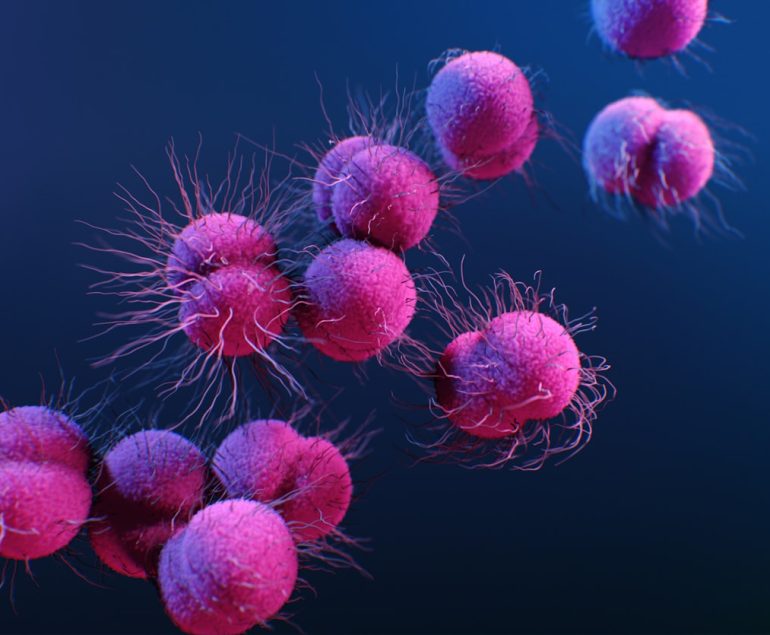
- Escherichia coli (E. coli) – By far the most common cause, accounting for 70‑95 % of uncomplicated bladder infections.
- Klebsiella, Proteus, Enterococcus, and Staphylococcus saprophyticus – Less frequent but still notable pathogens.
- Fungal organisms – Typically seen in people with weakened immune systems or those on long‑term antibiotics.
- Pregnancy
- Diabetes or other chronic illnesses that affect immunity
- Structural abnormalities of the urinary tract (e.g., kidney stones, enlarged prostate)
- Recent urinary catheter use
- High fever (≥ 101 °F / 38.3 °C)
- Chills, nausea, or vomiting
- Flank pain (pain in the side or back) – could indicate kidney involvement.
- Confusion or altered mental status, particularly in older adults.
- Persistent symptoms despite 48‑hour antibiotic therapy
- Take the full course even if you feel better after a day or two. Incomplete treatment can foster resistant bacteria.
- Stay hydrated – Drinking plenty of water helps flush out bacteria and reduces the concentration of the drug in the bladder, minimizing irritation.
- Probiotics – Some antibiotics disrupt gut flora, leading to yeast overgrowth. A daily probiotic (e.g., Lactobacillus rhamnosus) can help maintain a healthy microbiome.
- Recurrent infections (≥ 3 episodes in a year) may require a prophylactic regimen, such as a low‑dose antibiotic taken after sexual activity or a continuous low‑dose for 6‑12 months.
- Non‑antibiotic options – D‑mannose, cranberry extracts, and methenamine hippurate have shown modest benefit in preventing recurrence, especially when combined with lifestyle changes.
- Urinate before and after sexual activity – This “flushing” technique reduces the chance of bacteria being transferred from the genital area to the urethra.
- Avoid holding urine for long periods – Frequent voiding prevents bacterial colonization.
- Wear breathable underwear – Cotton allows airflow; synthetic fabrics can trap moisture, fostering bacterial growth.
- Phenazopyridine (Pyridium) – Provides temporary relief from burning and urgency but does not treat the infection. Use for no longer than 2 days unless directed by a physician.
- Analgesic urinary alkalinizers (e.g., sodium bicarbonate solutions) – Can neutralize acidic urine, soothing discomfort.
- D‑mannose – A simple sugar that may block E. coli from sticking to bladder walls. Typical dose: 500 mg twice daily for 30 days.
- Herbal extracts (e.g., uva‑ursi, goldenseal) – Some studies suggest modest antimicrobial activity, but evidence is limited. Discuss with your provider before starting any herbal supplement, especially if you’re on prescription meds.
- Hydrate: Minimum 2 L/day; increase during hot weather or exercise.
- **H
Why women are more vulnerable
Anatomically, a woman’s urethra is roughly 1.5‑2 inches long—significantly shorter than the average male urethra (about 6‑8 inches). This shorter distance gives bacteria a faster shortcut to the bladder. Hormonal fluctuations, especially during menopause, can thin the protective lining of the urinary tract, further increasing susceptibility.
When a “simple” infection becomes serious
Most bladder infections are uncomplicated, meaning they occur in otherwise healthy individuals with a normal urinary tract. However, certain situations can turn a straightforward cystitis into a complicated infection:
Complicated infections demand more aggressive treatment and closer monitoring because they carry a higher risk of progressing to pyelonephritis (kidney infection) or sepsis.
—
2. Spotting the Symptoms: When to Call a Doctor
The classic symptom checklist
| Symptom | Typical Description |
|———|———————-|
| Burning sensation while urinating | A sharp, stinging feeling that starts the moment urine hits the urethra. |
| Frequent urge to go | Need to urinate every 1‑2 hours, even if the bladder is only partially full. |
| Urgency with little output | A strong urge but only a few drops of urine are passed. |
| Cloudy, dark, or foul‑smelling urine | Urine may appear tea‑colored or have a strong ammonia odor. |
| Pelvic or lower abdominal pain | Dull ache or pressure just above the pubic bone. |
| Blood in the urine (hematuria) | Pink or reddish tint, often subtle at first. |
| Low‑grade fever | Usually < 101 °F (38.3 °C) in uncomplicated cases. |
If you notice any of these signs, especially the burning and urgency, it’s wise to schedule a medical evaluation promptly.
Red‑flag symptoms that demand immediate attention
These warning signs may signal a kidney infection, sepsis, or a resistant bacterial strain—conditions that require urgent medical care.
How to self‑assess: A quick at‑home checklist
1. Rate your urgency on a scale of 1‑10 (10 being an uncontrollable need).
2. Note any pain—where is it located, and how would you describe it (sharp, dull, throbbing)?
3. Observe urine color, clarity, and odor.
4. Track timing—how long have the symptoms lasted?
Write these observations down. When you speak with your healthcare provider, this concise log can speed up diagnosis and tailor treatment to your specific situation.
—
3. Diagnosis and Treatment: From Lab Tests to Medication
The diagnostic toolbox
1. Urinalysis – A dip‑stick test that detects leukocytes (white blood cells), nitrites (produced by many gram‑negative bacteria), and blood. A positive result strongly suggests infection.
2. Urine culture – The gold standard. A sample is sent to a lab, where bacteria are grown and identified, and antibiotic susceptibility is determined. Results usually return in 48‑72 hours.
3. Imaging (ultrasound, CT scan) – Reserved for complicated cases or when structural abnormalities are suspected.
4. Pregnancy test – Essential for women of child‑bearing age, as treatment choices differ during pregnancy.
First‑line antibiotic options (uncomplicated cases)
| Antibiotic | Typical Duration | Key Considerations |
|————|——————|——————–|
| Trimethoprim‑sulfamethoxazole (Bactrim, Septra) | 3 days | Avoid if patient has sulfa allergy or recent use. |
| Nitrofurantoin (Macrobid, Macrodantin) | 5‑7 days | Not for kidney stones > 2 mm or severe renal impairment. |
| Fosfomycin (Monurol) | Single dose | Convenient, but may be less effective against certain resistant strains. |
| Ciprofloxacin or Levofloxacin | 3 days | Fluoroquinolones are reserved for resistant cases due to side‑effect profile. |
Your provider will choose an antibiotic based on local resistance patterns, your allergy history, and whether you’re pregnant.
Managing side effects and ensuring adherence
When antibiotics aren’t enough
—
4. Home Care and Lifestyle Tweaks to Speed Recovery
The “3‑S” rule: Sit, Sip, and Scrub
1. Sit, don’t stand after urinating. Sitting allows the bladder to empty fully, reducing residual urine where bacteria can thrive.
2. Sip water continuously – Aim for at least 2‑3 liters (8‑12 cups) per day. The goal is to produce clear, pale urine every 2‑3 hours.
3. Scrub gently – Use mild, fragrance‑free soap. Avoid harsh wipes or douches that can irritate the urethral opening.
Foods and beverages that help (and those to avoid)
| Helpful | Why it works |
|——–|————–|
| Cranberry juice (unsweetened) | Contains proanthocyanidins that may prevent bacteria from adhering to the bladder wall. |
| Probiotic‑rich foods (yogurt, kefir, kimchi) | Promote a healthy vaginal and gut flora, creating a hostile environment for uropathogens. |
| Vitamin C‑rich fruits (oranges, kiwi, strawberries) | Acidifies urine, inhibiting bacterial growth. |
| Water‑rich vegetables (cucumber, celery) | Boost overall hydration. |
| To limit | Reason |
|———-|——–|
| Caffeinated drinks (coffee, soda) | Irritate the bladder and increase urgency. |
| Alcohol | Dehydrates and can exacerbate inflammation. |
| Spicy foods | May trigger bladder irritation in sensitive individuals. |
| Artificial sweeteners | Some people report increased urgency after consumption. |
Smart bathroom habits
Over‑the‑counter (OTC) relief
When to consider alternative therapies
—
5. Preventing Future Bladder Infections
Identify personal risk factors
| Risk factor | Practical mitigation |
|————-|———————-|
| Frequent sexual activity | Urinate promptly afterward; consider using a water‑based lubricant to reduce friction. |
| Menopause | Talk to your doctor about topical estrogen therapy, which can restore the vaginal flora and reduce UTIs. |
| Diabetes | Keep blood glucose under control; high sugar levels provide a nutrient source for bacteria. |
| Catheter use | Ensure proper sterile technique; limit catheter duration whenever possible. |
| History of kidney stones | Stay hydrated; discuss stone‑prevention strategies with a urologist. |
Long‑term preventive strategies
1. Low‑dose prophylactic antibiotics – For those with ≥ 3 infections per year, a doctor may prescribe a single dose after intercourse or a nightly low‑dose regimen.
2. Post‑coital antibiotic prophylaxis – A single dose of a quick‑acting antibiotic (e.g., ciprofloxacin) taken within an hour after sex can dramatically cut recurrence rates.
3. Vaccination research – Emerging vaccines targeting uropathogenic E. coli are in clinical trials. While not yet available, staying informed about future options can be empowering.
Lifestyle “maintenance” checklist

At King Edward Medical College, he was the recipient of the “Most Distinguished Student” award and graduated at the top of his class. Upon completing his medical education, Dr. Zafar went on to pursue his urology training at Royal Shrewsbury Hospital and at Ealing and Hammersmith Hospitals in England. In 1994, he completed a Fellowship in Endourology at Methodist Hospital in Indianapolis, Indiana. The focus of his fellowship was in urinary and bladder stones, male and female incontinence, and male impotence.
Dr. Zafar has been an active member of the American Urological Association, American Association of Clinical Urologists, and Society of Laparoscopic Surgeons.