

—
Introduction – The Unexpected Guest in Men’s Health
Imagine waking up at 2 a.m., stumbling to the bathroom, only to realize you’ve been there for the third time that night. You brush it off as “just getting older,” but the lingering fatigue and the awkward pauses during conversations hint at something more persistent. For millions of men, that “something” is benign prostatic hyperplasia (BPH), a non‑cancerous enlargement of the prostate gland that quietly reshapes daily life.
While BPH isn’t life‑threatening, its symptoms—frequent urination, weak stream, and nighttime bathroom trips—can erode confidence, disrupt sleep, and even strain relationships. The good news? With the right knowledge and a toolbox of practical steps, you can keep BPH under control and reclaim comfort. This post walks you through what BPH is, how to spot its early warnings, lifestyle tweaks that genuinely help, medical options when needed, and long‑term habits for thriving with a larger prostate.
—
1. What Is Benign Prostatic Hyperplasia?
#### 1.1 Anatomy in a Nutshell
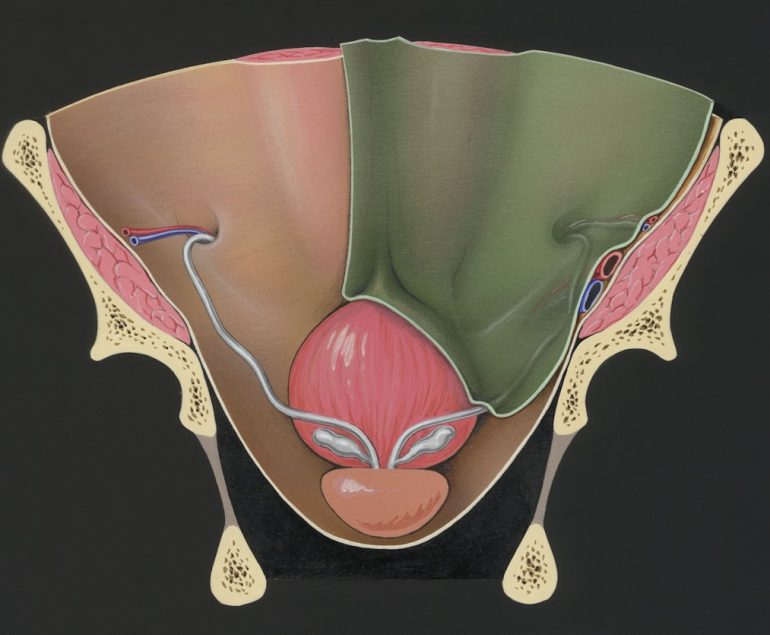
The prostate sits just below the bladder, wrapping around the urethra—the tube that carries urine out of the body. In its normal state, the gland is about the size of a walnut. As men age, hormonal shifts, especially a decline in testosterone and a relative rise in estrogen, can trigger the prostate’s glandular and stromal cells to multiply. This benign (non‑cancerous) growth gradually squeezes the urethra, leading to the classic urinary complaints of BPH.
#### 1.2 Why “Benign” Doesn’t Mean “Harmless”
The term “benign” simply distinguishes hyperplasia from prostate cancer. It does not imply that the condition is inconsequential. A modest increase in prostate volume can already cause noticeable urinary obstruction, and larger enlargements may lead to bladder stones, urinary retention, or kidney damage if left untreated. Understanding that BPH is a progressive condition motivates early action rather than passive acceptance.
#### 1.3 Who’s at Risk?
- Age: The prevalence jumps from about 8 % in men in their 40s to over 70 % after age 80.
- Family history: Men with a father or brother who had BPH are more likely to develop it.
- Metabolic factors: Obesity, diabetes, and hypertension have all been linked to faster prostate growth.
- Lifestyle: Sedentary habits and a diet high in red meat and saturated fats may exacerbate inflammation in the prostate.
- Morning focus: Drink the bulk of your daily fluids before noon.
- Evening limit: Aim to finish most of your water intake by 7 p.m. to reduce nocturnal trips.
- Aerobic exercise: 150 minutes of moderate‑intensity cardio (brisk walking, cycling) per week improves circulation and hormone balance.
- Pelvic floor training: Kegel exercises strengthen the muscles that support bladder control, reducing urgency and leakage.
- Transurethral Resection of the Prostate (TURP): Gold‑standard for decades; a resectoscope removes obstructive tissue.
- Holmium Laser Enucleation of the Prostate (HoLEP): Uses laser energy to enucleate the entire enlarged portion, offering durability and lower bleeding risk.
- Open or Robot‑Assisted Simple Prostatectomy: Reserved for very large glands (>100 g).
- Retrograde ejaculation: Common with alpha‑blockers and especially 5‑ARIs; while harmless, discuss fertility plans with your doctor.
- Sexual dysfunction: If medication impacts libido or erections, a dose adjustment or switch to an alternative class may help.
- Post‑operative incontinence: Rare but possible; pelvic floor training and, if needed, brief physical therapy can accelerate recovery.
- Annual check‑ups: Even if symptoms are mild, a yearly DRE and PSA test help track prostate changes.
- Symptom scoring: Use the International Prostate Symptom Score (IPSS) questionnaire quarterly; a rise of 3 points signals the need for reassessment.
- Plan bathroom stops: Map out rest stops on long drives; knowing where you can pause eases anxiety.
- Carry a “comfort kit”: Include a small bottle of water, a portable urinal for emergencies, and a discreet pillow for extra cushioning during flights.
Actionable tip: If you’re over 50 or have any of the risk factors above, schedule a routine prostate exam during your annual check‑up. Early detection allows you to intervene before symptoms become disruptive.
—
2. Spotting the Signs – When to Pay Attention
BPH symptoms often develop slowly, making it easy to dismiss them as “normal aging.” Below is a quick checklist to help you differentiate everyday quirks from warning signals.
| Symptom | Typical BPH Indicator | Why It Matters |
|———|———————–|—————-|
| Frequent urination (≥8 times/day) | Early bladder irritation | Indicates the bladder is working harder to empty around a narrowed urethra. |
| Nocturia (waking ≥2 times at night) | Nighttime prostate pressure | Disrupts sleep, leading to daytime fatigue and reduced quality of life. |
| Weak or interrupted stream | Reduced flow rate | Suggests significant urethral compression. |
| Sudden urge to urinate | Overactive bladder response | May precede urinary retention. |
| Feeling of incomplete emptying | Residual urine buildup | Increases risk of infection and bladder stones. |
| Painful urination or blood | Usually not BPH | Could signal infection or cancer—seek immediate medical attention. |
When to see a doctor: If you experience any of the first five symptoms consistently for more than a few weeks, or if you notice a sudden worsening (e.g., inability to start urinating), contact a urologist promptly. Early evaluation often includes a digital rectal exam (DRE), urine analysis, and a prostate‑specific antigen (PSA) test to rule out malignancy.
—
3. Lifestyle Tweaks That Actually Work
While medication can be a cornerstone of BPH management, many men find substantial relief by adjusting daily habits. Below are evidence‑backed strategies that target the root contributors to prostate enlargement and urinary irritation.
3.1 Hydration Timing
Why it helps: Spreading fluid consumption evenly prevents the bladder from becoming overly full at night, curbing nocturia without compromising overall hydration.
3.2 Dietary Adjustments
| Food Group | What to Choose | How It Helps |
|————|—————-|————–|
| Fruits & vegetables | Berries, leafy greens, tomatoes | Rich in antioxidants and lycopene, which may slow prostate growth. |
| Healthy fats | Olive oil, nuts, fatty fish | Omega‑3 fatty acids reduce inflammation that fuels hyperplasia. |
| Fiber | Whole grains, legumes | Supports healthy weight, lowering metabolic risk factors for BPH. |
| Limit | Red meat, processed foods, high‑sugar drinks | These can increase insulin resistance and prostate inflammation. |
Practical tip: Incorporate at least one serving of lycopene‑rich food (e.g., cooked tomatoes) into your lunch and replace butter with olive oil for cooking.
3.3 Physical Activity
How to start: Perform a set of Kegels three times daily—contract the muscles you’d use to stop urine flow, hold for 5 seconds, then relax for 5 seconds. Gradually increase to 10‑second holds.
3.4 Weight Management
Carrying excess abdominal fat elevates estrogen levels and inflammatory markers, both of which can accelerate prostate growth. Aim for a body‑mass index (BMI) under 25 kg/m².
Simple step: Swap one sugary snack per day for a piece of fruit or a handful of almonds; the reduced calorie load adds up quickly.
3.5 Caffeine and Alcohol Moderation
Both caffeine and alcohol act as diuretics, increasing urine production and irritating the bladder. Limit coffee to 1–2 cups and keep alcohol to ≤2 drinks per day, preferably earlier in the evening.
Quick win: Replace your late‑night beer with sparkling water flavored with a splash of citrus—still festive, less bladder‑stimulating.
—
4. Medical Options – From Pills to Procedures
When lifestyle changes aren’t enough, a range of medical interventions can restore urinary comfort. The choice depends on symptom severity, prostate size, and personal health profile.
4.1 First‑Line Medications
| Drug Class | Common Examples | How It Works | Typical Side Effects |
|————|—————-|————–|———————-|
| Alpha‑blockers | Tamsulosin, Alfuzosin | Relax smooth muscle in the prostate and bladder neck, easing flow | Dizziness, low blood pressure, retrograde ejaculation |
| 5‑alpha‑reductase inhibitors (5‑ARIs) | Finasteride, Dutasteride | Block conversion of testosterone to dihydrotestosterone (DHT), shrinking the gland over months | Decreased libido, erectile dysfunction, reduced PSA levels |
| Combination therapy | Alpha‑blocker + 5‑ARI | Targets both muscle tone and gland size for synergistic relief | Cumulative side effects of both classes |
When to consider: If you have moderate to severe symptoms (International Prostate Symptom Score ≥ 8) and a prostate volume >30 g, a 5‑ARI may be especially beneficial.
4.2 Minimally Invasive Therapies
| Procedure | How It Works | Ideal Candidate | Recovery |
|———–|————–|—————–|———-|
| Transurethral Microwave Thermotherapy (TUMT) | Delivers microwave energy to heat and shrink prostate tissue | Men with prostate ≤60 g, avoiding major surgery | Outpatient, catheter 1–2 days |
| Transurethral Needle Ablation (TUNA) | Radiofrequency needles destroy excess tissue | Similar size criteria as TUMT | Short stay, minimal pain |
| UroLift® System | Implants hold open the prostatic urethra without cutting tissue | Men desiring preservation of sexual function | Same‑day discharge, quick return to activity |
Key point: These options typically preserve erectile and ejaculatory function better than traditional surgery, making them attractive for sexually active men.
4.3 Surgical Solutions
When the prostate is markedly enlarged (>80 g) or complications like acute urinary retention arise, surgery may be the most effective route.
Recovery outlook: Hospital stay ranges from 1–3 days for TURP, with catheter removal typically after 2–3 days. Most men resume normal activities within 2–4 weeks.
4.4 Managing Side Effects
Pro tip: Keep a symptom diary (frequency, urgency, flow strength) before and after any treatment change. This objective data guides both you and your urologist toward the most effective regimen.
—
5. Living Well with BPH – Long‑Term Strategies
BPH is a chronic condition, but it doesn’t have to dominate your life. Integrating a few forward‑thinking habits can keep symptoms at bay and support overall well‑being.
5.1 Regular Monitoring
5.2 Mental Health Matters
Frequent bathroom trips can cause anxiety, especially in social or work settings. Mindfulness techniques, such as brief breathing exercises before meetings, can reduce stress‑induced urgency. If you notice mood swings or depression, consider speaking with a therapist—mental health is a vital component of prostate health.
5.3 Smart Travel Planning
5.4 Community and Support
Joining a men’s health forum or a local support group can provide practical tips, emotional encouragement, and up‑to‑date information on emerging treatments. Sharing experiences often uncovers simple hacks—like a specific brand of compression underwear that reduces nighttime trips—that you might not discover on your own.
5.5 Future‑Focused Outlook
Research into phytotherapeutic

At King Edward Medical College, he was the recipient of the “Most Distinguished Student” award and graduated at the top of his class. Upon completing his medical education, Dr. Zafar went on to pursue his urology training at Royal Shrewsbury Hospital and at Ealing and Hammersmith Hospitals in England. In 1994, he completed a Fellowship in Endourology at Methodist Hospital in Indianapolis, Indiana. The focus of his fellowship was in urinary and bladder stones, male and female incontinence, and male impotence.
Dr. Zafar has been an active member of the American Urological Association, American Association of Clinical Urologists, and Society of Laparoscopic Surgeons.