

—
Introduction – Why This Topic Matters (and Why You’ll Want to Keep Reading)
Imagine you’re at a coffee shop, laughing with friends, and suddenly you feel that familiar, unwelcome pressure in your bladder. You excuse yourself, rush to the restroom, and wonder whether this will ever stop. For millions of adults worldwide, urinary incontinence is more than an occasional inconvenience—it’s a daily reality that can affect confidence, social life, and overall health.
Despite its prevalence, many people feel embarrassed to talk about it, leading to delayed diagnosis and missed treatment opportunities. This blog post is designed to break the silence, demystify the condition, and give you actionable, evidence‑based steps you can start using today. Whether you’re dealing with stress incontinence after pregnancy, urge incontinence linked to an overactive bladder, or simply want to prevent leaks as you age, you’ll find practical advice that fits real life.
Keywords: urinary incontinence, bladder control, stress incontinence, urge incontinence, overactive bladder, pelvic floor exercises, lifestyle changes, treatment options.
—
1. What Is Urinary Incontinence? Understanding the Basics
1.1 Definition and Why It Happens
Urinary incontinence (UI) is the involuntary loss of urine. It’s not a disease on its own but a symptom of an underlying issue with the bladder, urethra, or pelvic floor muscles. The bladder’s primary job is to store urine safely until you’re ready to release it. When the coordination between the bladder muscle (detrusor) and the sphincter (the valve that holds urine in) breaks down, leaks can occur.
1.2 The Four Main Types
| Type | Typical Triggers | Who’s Most Affected |
|——|——————|———————|
| Stress Incontinence | Coughing, sneezing, laughing, lifting heavy objects | Women after childbirth, post‑menopause; men after prostate surgery |
| Urge Incontinence (Overactive Bladder) | Sudden, intense urge to urinate; may leak before reaching toilet | Older adults, people with neurological conditions |
| Mixed Incontinence | Combination of stress and urge symptoms | Up to 50 % of women with UI |
| Overflow/Incompetent Bladder | Constant dribbling, incomplete emptying | Men with enlarged prostate, spinal cord injury patients |
1.3 How Common Is It?
- Women: About 1 in 3 experience UI at some point, with prevalence rising after menopause.
- Men: Roughly 1 in 10 report leakage, often linked to prostate issues.
- Age Factor: The risk doubles after age 60, but UI is not an inevitable part of aging.
- Pregnancy & Childbirth: The pelvic floor stretches and can weaken, especially after a vaginal delivery.
- Menopause: Reduced estrogen levels thin the urethral lining, decreasing closure pressure.
- Prostate Enlargement (BPH): In men, an enlarged prostate can block urine flow, causing overflow incontinence.
- Obesity: Extra abdominal pressure puts stress on the bladder, worsening stress incontinence.
- Caffeine & Alcohol: Both are diuretics that increase urine production and irritate the bladder lining.
- Smoking: Chronic coughing adds repetitive stress; nicotine also irritates the bladder.
- Sudden onset of severe leakage
- Blood in urine
- Painful urination or burning sensation
- Fever or chills (possible urinary tract infection)
- Pelvic Exam (women) or Digital Rectal Exam (men): Checks muscle tone and identifies prolapse or prostate enlargement.
- Stress Test: You’ll be asked to cough or bear down while the clinician observes for leakage.
- What It Is: Repeatedly contracting and relaxing the muscles that support the bladder and urethra.
- How to Do It Correctly:
- Why It Works: Stronger pelvic floor muscles create a tighter “seal” around the urethra, reducing stress leaks.
- Urethral Slings (women): A mesh or tissue strip supports the urethra, widely used for stress incontinence.
- Bulking Agents: Injected around the urethra to improve closure; suitable for mild to moderate stress leaks.
- Neuromodulation (e.g., sacral nerve stimulation): Electrical impulses regulate bladder nerves, effective for refractory urge incontinence.
- Botox Injections: Temporarily relax the detrusor muscle, reducing urgency episodes for up to 6‑9 months.
- Mid‑Urethral Sling (TVT, TOT) – High success rate for stress incontinence.
- Artificial Urinary Sphincter (men) – Provides continence after prostate surgery.
- Prostatectomy or Transurethral Resection (men) – Removes obstructive tissue causing overflow.
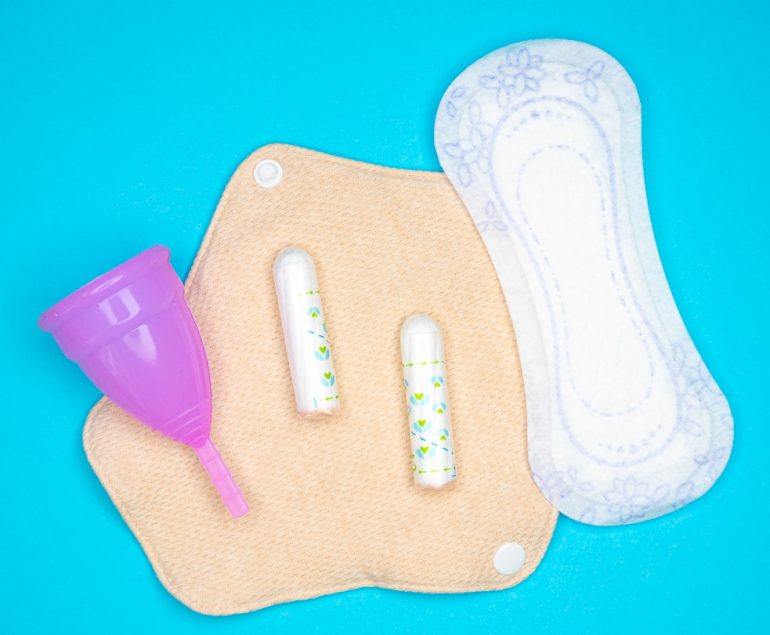
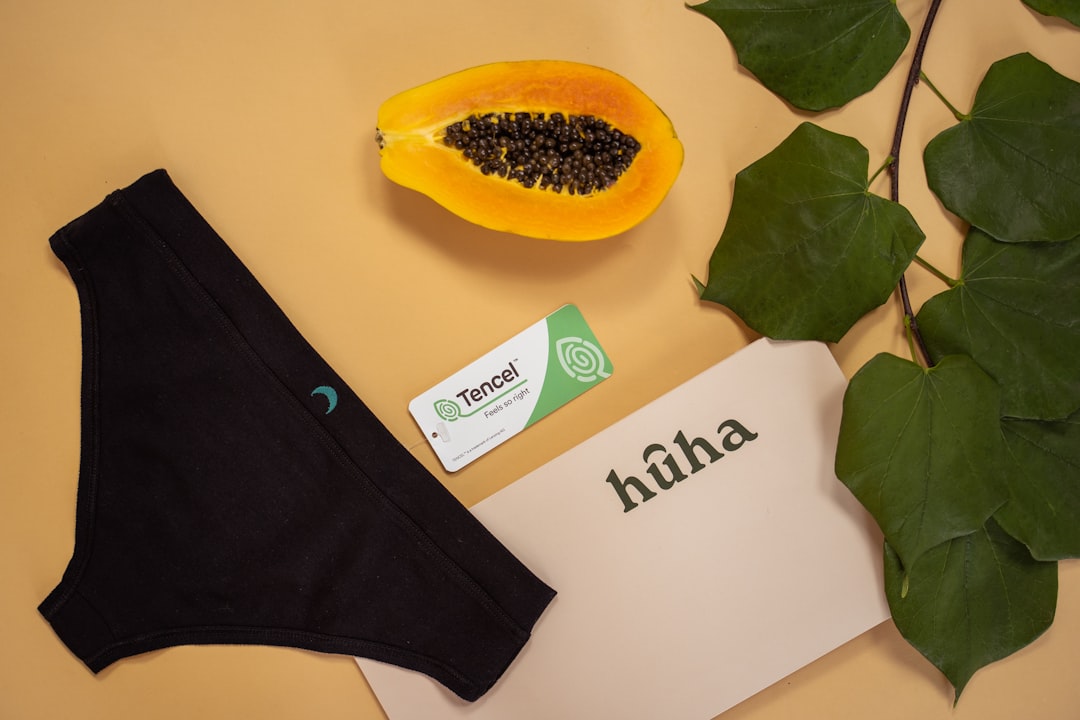
- Absorbent Pads & Protective Underwear: Choose high‑absorbency, breathable fabrics.
- Reusable Cloth Pads: Eco‑friendly and cost‑effective for mild leaks.
- Skin Barriers & Creams: Prevent irritation from moisture.
- Bed‑wetting Alarms (for nighttime urgency): Wake you at the first sign of bladder activity.
- Core Strengthening (e.g., Pilates, yoga): Supports pelvic floor muscles.
- Low‑Impact Cardio (walking, swimming): Improves circulation without adding pressure on the bladder.
- Avoid Heavy Lifting: When you must lift, engage your core and exhale on the effort to reduce intra‑abdominal pressure.
- Stress Management: Anxiety can trigger urge incontinence. Practice deep breathing, meditation, or progressive muscle relaxation.
- Bladder Mindfulness: During bathroom trips, focus on the sensation of emptying completely; this reinforces proper muscle activation.
- Hydration Balance: Sip water throughout the day; avoid gulping large volumes at once.
- Limit Bladder Irritants: Citrus fruits, spicy foods, artificial sweeteners, and carbonated drinks can exacerbate urgency.
- Probiotic‑Rich Foods: Yogurt, kefir, and fermented veggies support urinary tract health, reducing infection risk.
Understanding the type you’re dealing with is the first step toward targeted treatment. In the next sections, we’ll explore the causes that lead to each pattern and what you can do about them.
—
2. Common Causes & Risk Factors – What’s Triggering Your Leaks?
2.1 Physiological Changes
2.2 Lifestyle Contributors
2.3 Medical Conditions & Medications
| Condition | How It Affects Bladder |
|———–|————————|
| Diabetes | Nerve damage (diabetic neuropathy) impairs bladder signaling. |
| Neurological Disorders (MS, Parkinson’s, Stroke) | Disrupts communication between brain and bladder muscles. |
| Chronic Constipation | Presses on the bladder, reducing its capacity. |
| Certain Medications (diuretics, antihistamines, antidepressants) | Change urine volume or relax the sphincter. |
2.4 Red Flags – When to Seek Immediate Care
If any of these symptoms appear, contact a healthcare professional promptly. Early intervention can prevent complications such as skin irritation, urinary tract infections (UTIs), and social isolation.
—
3. Diagnosis & When to Reach Out to a Professional
3.1 The First Visit – What to Expect
Your primary care provider will start with a comprehensive history: frequency of leaks, triggers, fluid intake, medical conditions, and medication list. Bring a bladder diary (recording fluid intake, voiding times, and leakage episodes) to make the conversation more precise.
3.2 Physical Examination
3.3 Diagnostic Tests
| Test | Purpose |
|——|———|
| Urinalysis | Rules out infection or blood. |
| Post‑void Residual (PVR) Scan | Measures urine left in bladder after voiding—important for overflow incontinence. |
| Urodynamic Study | Evaluates bladder pressure and capacity; used for complex cases. |
| Cystoscopy | Visual inspection of bladder interior, used when tumors or stones are suspected. |
3.4 When to Ask for a Referral
If your primary physician suspects a neurological cause, severe pelvic organ prolapse, or needs specialized pelvic floor therapy, you may be referred to a urogynecologist, urologist, or a pelvic health physical therapist.
—
4. Treatment Options & Self‑Management – From Simple Exercises to Advanced Therapies
4.1 Lifestyle Modifications – The Foundation of Every Plan
| Change | Why It Helps | Practical Tip |
|——–|————–|—————-|
| Weight Management | Reduces abdominal pressure on bladder. | Aim for a 5‑10 % weight loss; combine cardio with strength training. |
| Fluid Management | Balances hydration without overloading bladder. | Drink 6‑8 glasses daily; limit caffeine/alcohol after 2 pm. |
| Timed Voiding/Bladder Training | Increases bladder capacity and improves urge control. | Start with a 2‑hour interval, gradually extend by 15‑30 minutes. |
| High‑Fiber Diet | Prevents constipation, which pressures the bladder. | Include fruits, vegetables, whole grains; aim for 25‑30 g fiber/day. |
4.2 Pelvic Floor Muscle Training (Kegel Exercises)
1. Identify the Muscles: Stop urine flow mid‑stream (do this only for practice, not during actual voiding).
2. Contract: Squeeze for 5 seconds, then relax for 5 seconds.
3. Reps: Start with 10 repetitions, three times a day.
4. Progress: Increase hold time to 10 seconds, add more sets as strength improves.
Tip: Consider using a biofeedback device or a smart Kegel app that provides real‑time feedback on muscle activation.
4.3 Medications – When the Body Needs a Boost
| Medication | Targeted Incontinence Type | Common Side Effects |
|————|—————————-|———————|
| Anticholinergics (e.g., oxybutynin, tolterodine) | Urge incontinence (overactive bladder) | Dry mouth, constipation, blurred vision |
| Beta‑3 Agonists (mirabegron) | Urge incontinence | Elevated blood pressure, headache |
| Topical Estrogen (cream, ring) | Stress incontinence in post‑menopausal women | Vaginal irritation, rare systemic effects |
| Alpha‑Blockers (tamsulosin) | Men with BPH‑related overflow | Dizziness, low blood pressure |
Medication should always be prescribed after a thorough evaluation; discuss benefits, risks, and interactions with your doctor.
4.4 Medical Devices & Minimally Invasive Procedures
4.5 Surgical Options – Reserved for Severe Cases
Surgery carries risks (infection, urinary retention) and should be considered after conservative measures have been exhausted.
4.6 Incontinence Products – Staying Comfortable and Confident
Using the right product can protect skin health, reduce anxiety, and allow you to stay active while you work on long‑term solutions.
—
5. Everyday Strategies for Long‑Term Bladder Health
5.1 Build a “Bladder‑Friendly” Routine
| Time of Day | Action |
|————-|——–|
| Morning | Perform a quick pelvic floor warm‑up (5 gentle Kegels) after shower. |
| Mid‑Morning | Drink a glass of water; schedule a bathroom break 30 minutes later. |
| Lunch | Choose a balanced meal with fiber; limit salty snacks that increase thirst. |
| Afternoon | Take a short walk—movement stimulates pelvic circulation and reduces urgency. |
| Evening | Finish caffeine/alcohol by 5 pm; do a final bladder training session (e.g., “hold for 15 minutes”). |
| Before Bed | Perform a final set of Kegels; use the bathroom within 30 minutes of waking. |
Consistency is key; the brain learns to trust the new schedule, reducing involuntary leaks.
5.2 Exercise Beyond Kegels
5.3 Mind‑Body Techniques
5.4 Nutrition Hacks
5.5 Regular Check‑Ups
Even after symptoms improve, schedule an annual review with your primary care provider or urologist. This

At King Edward Medical College, he was the recipient of the “Most Distinguished Student” award and graduated at the top of his class. Upon completing his medical education, Dr. Zafar went on to pursue his urology training at Royal Shrewsbury Hospital and at Ealing and Hammersmith Hospitals in England. In 1994, he completed a Fellowship in Endourology at Methodist Hospital in Indianapolis, Indiana. The focus of his fellowship was in urinary and bladder stones, male and female incontinence, and male impotence.
Dr. Zafar has been an active member of the American Urological Association, American Association of Clinical Urologists, and Society of Laparoscopic Surgeons.