

—
Introduction – Hook, Why This Matters, and What You’ll Learn
Imagine planning a family‑building adventure only to discover that the “one‑size‑fits‑all” birth‑control options just don’t fit your lifestyle. Maybe you’ve tried pills, condoms, or even the hormonal patch, and the side‑effects, inconvenience, or the sheer responsibility of remembering daily protection have you feeling frustrated.
Enter vasectomy—the most effective, permanent, and low‑maintenance form of male birth control. It’s a simple outpatient procedure that can give you and your partner peace of mind for the rest of your lives—if you’re sure you don’t want (or need) more children.
But before you schedule that appointment, you deserve a clear, honest, and comprehensive look at what a vasectomy really involves. In this 2,000‑word guide we’ll break down:
1. What a vasectomy is and how it works
2. Step‑by‑step details of the procedure
3. Recovery tips to get you back on your feet fast
4. Benefits, risks, and the most common myths
5. Cost, insurance coverage, and alternatives (including reversal)
By the end, you’ll have actionable information to decide if a vasectomy fits your life plan—without the guesswork or misinformation. Let’s dive in.
—
1. Understanding Vasectomy: What It Is and How It Works
1.1 The Basics – A Permanent Male Contraceptive
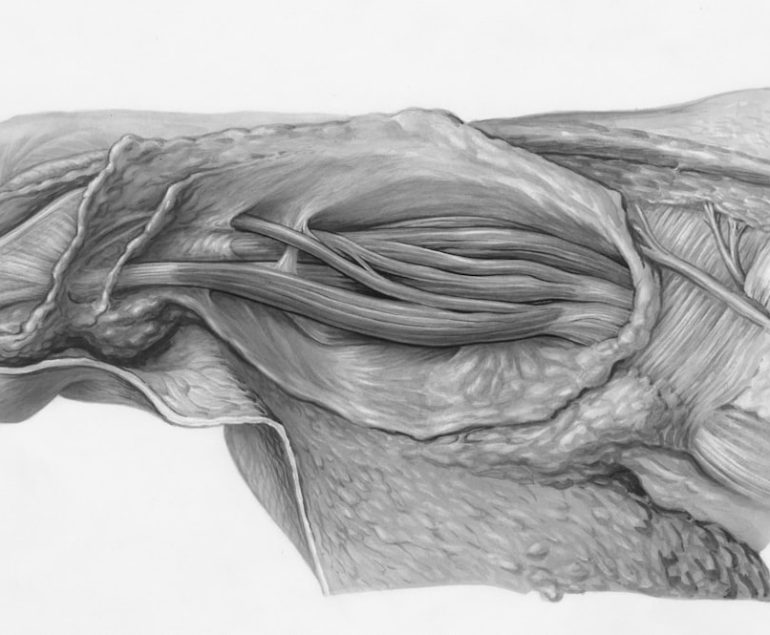
A vasectomy is a minor surgical procedure that blocks or cuts the vas deferens, the tiny tubes that transport sperm from the testicles to the urethra. By interrupting this pathway, sperm can no longer mix with semen, rendering ejaculate infertile while leaving hormone production, sexual function, and orgasm unchanged.
> Key SEO phrase: What is a vasectomy?
1.2 How the Vas Deferens Works (In Plain English)
- Testicles produce sperm.
- Epididymis stores and matures sperm.
- Vas deferens (two slender tubes) carry sperm up into the ejaculatory ducts.
- During ejaculation, sperm join seminal fluid to become semen.
- Failure rate: < 0.15% (about 1 in 700 couples) – comparable to female sterilization.
- Typical use: 99.85% effective after the post‑procedure “clearance” period (about 20 ejaculations or 3 months).
- Men who are certain they do not want more children (or any at all).
- Couples who have completed their family or have reliable alternative plans (e.g., adoption).
- Men in stable relationships where both partners agree on permanent contraception.
- Numbness from anesthesia (lasting 1‑2 hours).
- Mild pressure or “pulling” feeling as the scrotum settles.
- Spotting or bruising around the incision site.
- Severe pain persisting beyond 48 hours.
- Swelling that’s rapidly increasing or a hard lump (possible hematoma).
- Fever > 101 °F (38.3 °C) or chills.
- Discharge with a foul odor (sign of infection).
- Light Activities (e.g., desk work, short walks): 1‑2 days post‑op.
- Driving: After the anesthetic wears off (usually 4‑6 hrs) and you feel comfortable.
- Exercise:
- Minor bruising: Usually fades within 1‑2 weeks.
- Small lump (sperm granuloma): Often harmless; may resolve on its own. If painful, your doctor can prescribe a steroid injection.
- Post‑vasectomy pain syndrome (PVPS): A chronic pain condition affecting < 5% of men. Early physiotherapy, anti‑inflammatories, and nerve blocks can help.
- [ ] Keep the incision clean and dry for 24 hrs; then gently wash with mild soap.
- [ ] Change bandage if it becomes wet or soiled.
- [ ] Take pain medication as directed (don’t exceed recommended dose).
- [ ] Apply ice for the first 24 hrs, then switch to a warm compress after 48 hrs if needed.
- [ ] Schedule the semen analysis appointment (usually at 4‑6 weeks).
- [ ] Continue using backup contraception until clearance confirmed.
A vasectomy either severs, ties, clips, or cauterizes these tubes, creating a permanent barrier. The body continues to produce sperm, but they’re simply reabsorbed—no health impact.
1.3 Effectiveness: The Numbers Speak
Because the vasectomy is permanent, it’s often compared to tubal ligation for women. However, the procedure is less invasive, cheaper, and carries fewer complications.
1.4 Who Is a Good Candidate?
Contraindications include active infections, certain clotting disorders, or an inability to consent (e.g., severe mental impairment).
—
2. The Vasectomy Procedure: What to Expect Before, During, and After
2.1 Pre‑Procedure Preparation
| Step | What to Do | Why It Matters |
|——|————|—————-|
| Consultation | Meet a urologist or qualified surgeon for a 15‑minute discussion. | Confirms eligibility, answers questions, and outlines risks. |
| Medical History Review | Disclose medications, allergies, and prior surgeries. | Prevents complications (e.g., bleeding). |
| Stop Blood Thinners | If you take aspirin, ibuprofen, or prescription anticoagulants, stop 5‑7 days prior (under doctor guidance). | Reduces risk of post‑op bruising or hematoma. |
| Shave/Trim Scrotum (if required) | Some clinics ask you to shave the area the night before. | Improves sterility and visibility. |
| Plan Transportation | Arrange a ride home; you’ll be semi‑sedated or have a local anesthetic. | You’re not allowed to drive for 24 hrs. |
2.2 Types of Vasectomy Techniques
| Technique | How It’s Done | Pros | Cons |
|———–|—————|——|——|
| Conventional (Scalpel) Vasectomy | Small incision (~1 cm) in each side of the scrotum; vas deferens is pulled out, cut, and tied. | Proven track record; easy to reverse (if needed). | Slightly larger incision, marginally higher infection risk. |
| No‑Scalpel Vasectomy (NSV) | A tiny puncture (1–2 mm) using a sharp instrument; vas is accessed without cutting skin. | Faster, less bleeding, less pain, quicker healing. | Requires specialized training; still a small puncture. |
| Clip or Cautery Vasectomy | Vas deferens is clamped or sealed with heat after being cut. | May reduce sperm “recannulation” (rejoining). | Slightly higher cost; some surgeons prefer tie‑off. |
SEO keyword: no‑scalpel vasectomy
2.3 The Procedure Timeline (In Minutes)
1. Preparation (5 min): Positioning, cleaning, and local anesthesia injection (usually lidocaine).
2. Access (2‑3 min per side): Incision or puncture, expose vas deferens.
3. Blockage (2‑4 min per side): Cut the tube, remove a small segment (optional), then tie, clip, or cauterize the ends.
4. Closure (1 min): Small sutures (if scalpel) or simply a steri‑strip for NSV.
5. Bandage & Post‑Op Instructions (5 min).
Total time: 15‑30 minutes. Most clinics discharge you within an hour.
2.4 Immediate Post‑Procedure Sensations
Most men report minimal pain—often described as a “pinch” rather than a “cut.”
2.5 When to Call the Doctor
—
3. Recovery and Post‑Op Care: Tips for a Smooth Healing Process
3.1 The First 24‑48 Hours – Rest Is Key
| Action | Recommendation | Reason |
|——–|—————-|——–|
| Rest | Stay home, limit walking to bathroom trips. | Reduces strain on the surgical site. |
| Ice Packs | Apply a cold compress for 15 min on, 15 min off, for the first 24 hrs. | Controls swelling and discomfort. |
| Supportive Underwear | Wear snug briefs or a jockstrap. | Keeps the scrotum stable, minimizes movement. |
| Pain Management | Over‑the‑counter ibuprofen (if not contraindicated) or prescribed acetaminophen. | Addresses mild to moderate pain. |
| Hydration & Light Diet | Drink plenty of water and eat soft foods. | Helps overall recovery. |
3.2 Resuming Normal Activities
– Low‑impact (walking, stretching): 2‑3 days.
– Moderate (jogging, weight‑lifting): 1 week.
– High‑impact or contact sports: 2 weeks (or per surgeon’s advice).
3.3 “Clearance” Period – When Is the Vasectomy Actually Effective?
Even though the tubes are blocked, live sperm can linger in the epididymis for weeks. Follow these steps to confirm sterility:
1. Wait for 20–30 ejaculations or 3 months, whichever comes first.
2. Submit a semen analysis to the clinic. The lab will check for the presence of sperm.
3. Two consecutive “zero sperm” results confirm that the vasectomy is effective.
Until you receive the “clearance” confirmation, use an additional birth‑control method (condoms, hormonal pill, etc.).
3.4 Managing Common Post‑Op Concerns
3.5 Checklist: Your Post‑Vasectomy To‑Do List
—
4. Benefits, Risks, and Myths: Making an Informed Decision
4.1 The Upside – Why Men Choose Vasectomy
| Benefit | Explanation |
|———|————-|
| Highly effective | < 0.15% failure rate—more reliable than most female contraceptives. |
| One‑time procedure | No daily pills, no device maintenance, no partner dependence. |
| Low cost | Typically $300‑$1,000 in the U.S., often covered by insurance. |
| Minimal impact on sexual function | Hormones, libido, and orgasm remain unchanged. |
| Quick recovery | Most men are back to light activity within a few days. |
| Reduced risk of pregnancy‑related complications | No need for repeated abortions or emergency contraception. |
4.2 Potential Risks and Complications
| Complication | Frequency | How to Mitigate |
|————–|———–|—————–|
| Infection | < 2% | Keep incision clean; follow antibiotics if prescribed. |
| Bleeding/Hematoma | 1‑2% | Apply ice, avoid heavy lifting for a week. |
| Sperm Granuloma | 5‑10% | Usually harmless; treat pain if present. |
| Post‑Vasectomy Pain Syndrome (PVPS) | 1‑5% | Early physiotherapy, anti‑inflammatories, nerve block. |
| Failure (recanalization) | < 0.1% | Follow clearance protocol; avoid early unprotected sex. |
4.3 Debunking the Top 5 Myths
1. Myth: Vasectomy causes impotence.
Fact: The procedure does not affect testosterone levels, erectile function, or ejaculatory volume.
2. Myth: You can’t reverse a vasectomy.
Fact: Vasectomy reversal (vasovasostomy) is possible in ~70‑90% of cases when performed by an experienced microsurgeon, though success declines with time.
3. Myth: It’s extremely painful and requires general anesthesia.
**

At King Edward Medical College, he was the recipient of the “Most Distinguished Student” award and graduated at the top of his class. Upon completing his medical education, Dr. Zafar went on to pursue his urology training at Royal Shrewsbury Hospital and at Ealing and Hammersmith Hospitals in England. In 1994, he completed a Fellowship in Endourology at Methodist Hospital in Indianapolis, Indiana. The focus of his fellowship was in urinary and bladder stones, male and female incontinence, and male impotence.
Dr. Zafar has been an active member of the American Urological Association, American Association of Clinical Urologists, and Society of Laparoscopic Surgeons.