

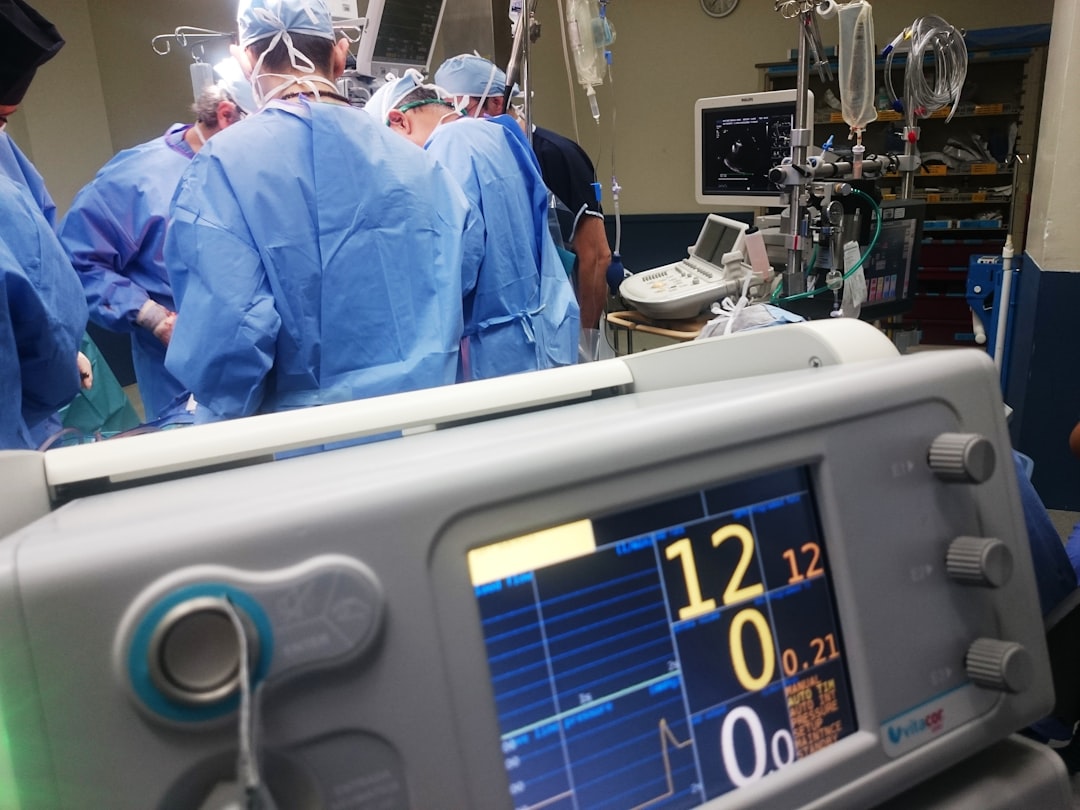

As we go about our daily lives, it’s easy to take our bodily functions for granted. But have you ever stopped to think about the intricate systems that keep us alive and healthy? The urinary system, in particular, plays a vital role in our overall well-being, and yet, it’s often overlooked until something goes wrong. That’s why it’s essential to understand the importance of urology, the branch of medicine that deals with the diagnosis, treatment, and prevention of disorders related to the urinary tract and male reproductive system. In this comprehensive guide, we’ll delve into the world of urology, exploring its various aspects, and providing you with valuable insights and actionable tips to maintain optimal urinary health.
What is Urology, and Why is it Important?
Urology is a medical specialty that focuses on the diagnosis, treatment, and management of disorders affecting the urinary tract, including the kidneys, bladder, ureters, and urethra. Urologists also deal with issues related to the male reproductive system, such as prostate health, infertility, and erectile dysfunction. The importance of urology cannot be overstated, as urinary tract problems can significantly impact a person’s quality of life. From painful kidney stones to debilitating bladder conditions, urological disorders can affect anyone, regardless of age or sex. In fact, according to the American Urological Association (AUA), urinary tract problems account for over 10 million doctor visits each year in the United States alone.
Common Urological Conditions and Their Treatment Options
Urological conditions can range from mild to severe, and it’s essential to be aware of the common disorders that can affect the urinary tract and male reproductive system. Some of the most prevalent conditions include:
- Urinary Tract Infections (UTIs): Bacterial infections that can affect any part of the urinary system, causing symptoms such as burning during urination, frequent urination, and abdominal pain. Treatment options include antibiotics, pain relief medications, and lifestyle changes, such as increasing fluid intake and practicing good hygiene.
- Kidney Stones: Small, hard mineral deposits that can form in the kidneys and cause severe pain, nausea, and vomiting. Treatment options include medication to help pass the stones, surgical removal, and lifestyle changes, such as staying hydrated and reducing salt intake.
- Benign Prostatic Hyperplasia (BPH): A non-cancerous enlargement of the prostate gland that can cause urinary symptoms, such as weak flow, frequent urination, and difficulty starting to urinate. Treatment options include medication, lifestyle changes, and surgical procedures, such as transurethral resection of the prostate (TURP).
- Erectile Dysfunction (ED): A condition characterized by the inability to achieve or maintain an erection, affecting over 30 million men in the United States. Treatment options include medication, such as sildenafil (Viagra), lifestyle changes, and psychological counseling.
- Stay Hydrated: Drinking plenty of water helps to flush out bacteria and minerals that can cause urinary tract problems. Aim to drink at least eight glasses of water a day.
- Practice Good Hygiene: Wipe from front to back, avoid using scented soaps or bubble baths, and wear loose-fitting clothing to reduce the risk of UTIs.
- Maintain a Healthy Diet: Eat a balanced diet rich in fruits, vegetables, and whole grains, and limit your intake of salt, sugar, and processed foods.
- Exercise Regularly: Regular physical activity can help to improve urinary health by reducing the risk of obesity, diabetes, and other conditions that can increase the risk of urological disorders.
- Manage Stress: Chronic stress can exacerbate urinary tract problems, so it’s essential to find healthy ways to manage stress, such as meditation, yoga, or deep breathing exercises.
- Robotic Surgery: Minimally invasive surgical procedures that use robotic systems to perform complex operations, such as prostate removal and kidney stone removal.
- Laser Therapy: Non-invasive treatments that use laser energy to treat conditions such as kidney stones, BPH, and bladder cancer.
- Stem Cell Therapy: Emerging treatments that use stem cells to repair damaged tissues and organs, including the kidneys and bladder.
- Personalized Medicine: Tailored treatment approaches that take into account an individual’s unique genetic profile, medical history, and lifestyle factors.
- Urology is a medical specialty that deals with the diagnosis, treatment, and prevention of disorders related to the urinary tract and male reproductive system.
- Common urological conditions include UTIs, kidney stones, BPH, and ED.
- Maintaining optimal urinary health requires staying hydrated, practicing good hygiene, eating a balanced diet, exercising regularly, and managing stress.
- Advances in urology include robotic surgery, laser therapy, stem cell therapy, and personalized medicine.
Maintaining Optimal Urinary Health: Tips and Strategies
While urological conditions can be debilitating, there are many ways to maintain optimal urinary health and reduce the risk of developing these disorders. Here are some valuable tips and strategies:
Advances in Urology: Emerging Trends and Technologies
The field of urology is constantly evolving, with new technologies and treatments emerging to improve patient care and outcomes. Some of the exciting advances in urology include:
In conclusion, urology is a vital branch of medicine that plays a critical role in maintaining our overall health and well-being. By understanding the importance of urology, being aware of common urological conditions, and taking steps to maintain optimal urinary health, we can reduce the risk of developing debilitating disorders and improve our quality of life. Remember, a healthy urinary system is just as important as a healthy heart or lungs, so don’t neglect your urological health. Stay informed, stay proactive, and consult with a urologist if you have any concerns or questions about your urinary health. Key takeaways include:
By following these tips and staying informed about the latest developments in urology, you can take control of your urinary health and enjoy a healthier, happier life.

At King Edward Medical College, he was the recipient of the “Most Distinguished Student” award and graduated at the top of his class. Upon completing his medical education, Dr. Zafar went on to pursue his urology training at Royal Shrewsbury Hospital and at Ealing and Hammersmith Hospitals in England. In 1994, he completed a Fellowship in Endourology at Methodist Hospital in Indianapolis, Indiana. The focus of his fellowship was in urinary and bladder stones, male and female incontinence, and male impotence.
Dr. Zafar has been an active member of the American Urological Association, American Association of Clinical Urologists, and Society of Laparoscopic Surgeons.