


As men age, the risk of developing prostate cancer increases, making it essential to stay on top of health checks and screenings. One of the most common and effective ways to detect prostate cancer in its early stages is through a Prostate-Specific Antigen (PSA) test. But what exactly is a PSA test, and how does it work? In this comprehensive guide, we’ll delve into the world of PSA testing, exploring its benefits, limitations, and what you can expect from the process. Whether you’re a man over 50 or simply looking to stay informed about prostate health, this article is for you.
What is a PSA Test?
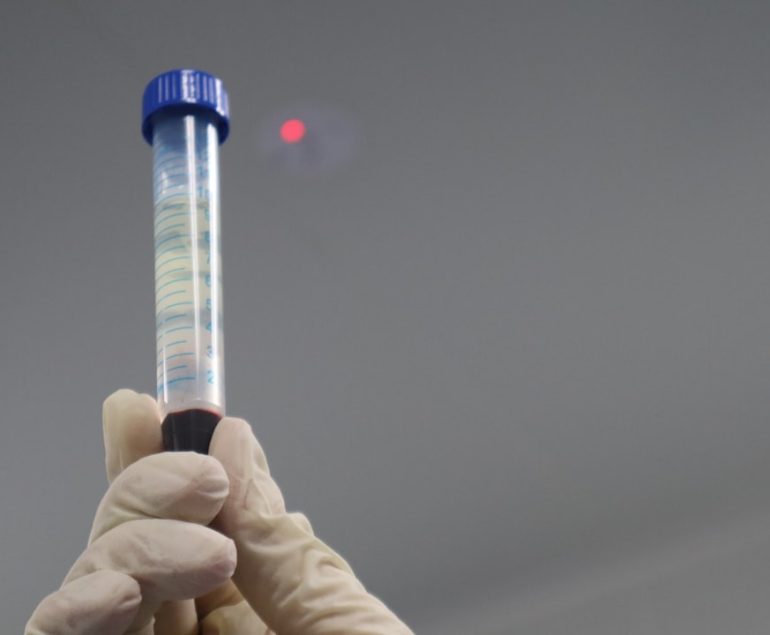
A PSA test is a simple blood test that measures the level of Prostate-Specific Antigen in your blood. PSA is a protein produced by the prostate gland, and while it’s normal for men to have some PSA in their blood, high levels can indicate the presence of prostate cancer. The test is usually performed as part of a routine health checkup, and it’s often recommended for men over 50 or those with a family history of prostate cancer. The PSA test is not a diagnostic test, but rather a screening tool that can help identify potential issues early on.
During the test, a healthcare professional will take a blood sample from your arm, which is then sent to a laboratory for analysis. The results are typically measured in nanograms per milliliter (ng/mL), with most men having a PSA level below 4 ng/mL. However, it’s essential to note that PSA levels can fluctuate, and a single high reading doesn’t necessarily mean you have prostate cancer. Your doctor will consider various factors, including your age, medical history, and overall health, when interpreting your PSA results.
Understanding PSA Test Results
So, what do your PSA test results mean? Here’s a breakdown of the different PSA levels and what they might indicate:
- PSA level below 4 ng/mL: This is generally considered a normal reading, and most men will fall within this range.
- PSA level between 4-10 ng/mL: This range is often considered borderline, and your doctor may recommend further testing or monitoring.
- PSA level above 10 ng/mL: This is typically considered high, and your doctor may recommend a biopsy or other diagnostic tests to determine the cause of the elevated PSA level.
- Prostate size: Men with larger prostates may naturally have higher PSA levels.
- Age: PSA levels tend to increase with age, even in healthy men.
- Medications: Certain medications, such as finasteride, can affect PSA levels.
- Prostate infections: Infections or inflammation of the prostate can cause PSA levels to rise.
- Early detection: PSA tests can detect prostate cancer in its early stages, when it’s more treatable.
- Improved treatment options: Early detection can lead to more effective treatment options, including surgery, radiation therapy, or active surveillance.
- Reduced mortality rates: Studies have shown that PSA testing can reduce prostate cancer mortality rates by up to 40%.
- False positives: Elevated PSA levels can be caused by non-cancerous conditions, leading to unnecessary biopsies or treatments.
- Overdiagnosis: PSA testing can detect slow-growing tumors that may never cause symptoms or affect a man’s quality of life.
- Overtreatment: Men with low-risk prostate cancer may undergo unnecessary treatments, which can have side effects and impact their quality of life.
- PSA testing is a simple blood test that measures Prostate-Specific Antigen levels in your blood.
- PSA levels can fluctuate, and a single high reading doesn’t necessarily mean you have prostate cancer.
- Understanding your PSA test results and discussing them with your doctor is essential.
- PSA testing has its benefits and limitations, and it’s crucial to stay informed and proactive about your prostate health.
- Early detection is key, and PSA testing can be a lifesaver.
It’s essential to remember that PSA levels can be influenced by various factors, including:
The Benefits and Limitations of PSA Testing
PSA testing has been a game-changer in the detection and treatment of prostate cancer. The benefits of PSA testing include:
However, PSA testing is not without its limitations. Some of the drawbacks include:
What to Expect from the PSA Testing Process
If you’re due for a PSA test, here’s what you can expect from the process:
1. Pre-test preparation: Your doctor may ask you to avoid certain activities, such as bike riding or heavy lifting, for 24-48 hours before the test.
2. The blood test: The actual test is quick and straightforward, with a healthcare professional taking a blood sample from your arm.
3. Results and follow-up: Your doctor will discuss your results with you, and if necessary, recommend further testing or monitoring.
4. Biopsy or other diagnostic tests: If your PSA level is high, your doctor may recommend a biopsy or other diagnostic tests to determine the cause of the elevated PSA level.
In conclusion, PSA testing is a valuable tool in the detection and treatment of prostate cancer. While it’s essential to understand the benefits and limitations of PSA testing, it’s also crucial to stay informed and proactive about your prostate health. By knowing your PSA level and discussing your results with your doctor, you can make informed decisions about your health and take steps to reduce your risk of prostate cancer. Remember, early detection is key, and PSA testing can be a lifesaver.
Key takeaways:

At King Edward Medical College, he was the recipient of the “Most Distinguished Student” award and graduated at the top of his class. Upon completing his medical education, Dr. Zafar went on to pursue his urology training at Royal Shrewsbury Hospital and at Ealing and Hammersmith Hospitals in England. In 1994, he completed a Fellowship in Endourology at Methodist Hospital in Indianapolis, Indiana. The focus of his fellowship was in urinary and bladder stones, male and female incontinence, and male impotence.
Dr. Zafar has been an active member of the American Urological Association, American Association of Clinical Urologists, and Society of Laparoscopic Surgeons.