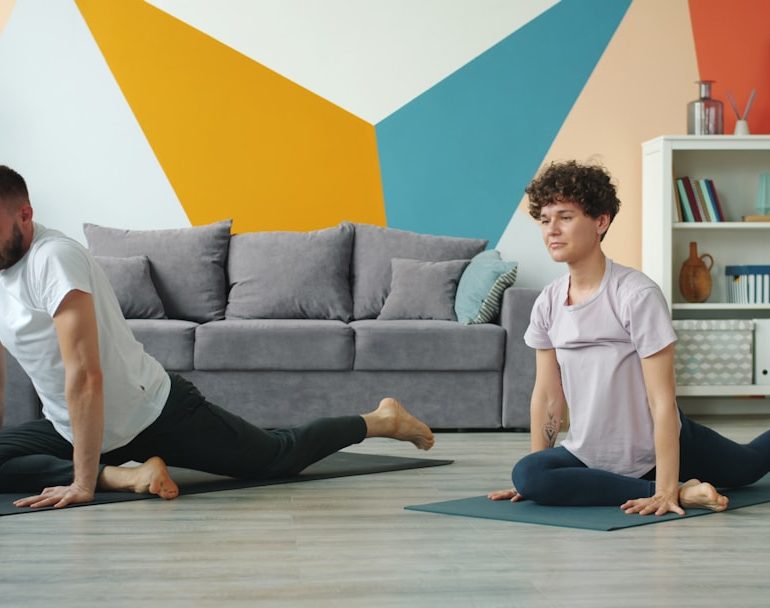


Are you tired of living with the discomfort and embarrassment of incontinence, prolapse, or chronic pelvic pain? Do you struggle with low back pain, constipation, or difficulty during intimacy? If so, you’re not alone. Millions of people around the world suffer from pelvic floor disorders, but the good news is that there is a simple, effective, and non-invasive solution: pelvic floor exercises. Also known as Kegel exercises, these powerful movements can help strengthen your pelvic muscles, improve your overall health, and enhance your quality of life. In this comprehensive guide, we’ll delve into the world of pelvic floor exercises, exploring their benefits, how to do them correctly, and tips for incorporating them into your daily routine.
What are Pelvic Floor Exercises and How Do They Work?
Pelvic floor exercises are a series of movements that target the muscles of the pelvic floor, including the pubococcygeus muscle (PC muscle), iliococcygeus muscle, and puborectalis muscle. These muscles play a crucial role in supporting the bladder, bowel, and uterus, as well as facilitating functions such as urination, defecation, and intimacy. When the pelvic floor muscles are weak or damaged, it can lead to a range of problems, including urinary incontinence, fecal incontinence, prolapse, and chronic pain. By strengthening these muscles through pelvic floor exercises, you can improve bladder control, enhance bowel function, and reduce the risk of pelvic floor disorders.
The science behind pelvic floor exercises is based on the concept of neuromuscular reeducation, which involves retraining the muscles to respond to neural signals. When you perform pelvic floor exercises, you’re essentially teaching your brain to communicate more effectively with your pelvic floor muscles, allowing them to contract and relax more efficiently. This can lead to improved muscle tone, increased strength, and enhanced function. As you practice pelvic floor exercises regularly, you’ll begin to notice significant improvements in your overall pelvic health, including reduced symptoms of incontinence, improved bowel function, and enhanced intimacy.
Benefits of Pelvic Floor Exercises
The benefits of pelvic floor exercises are numerous and well-documented. Some of the most significant advantages include:
- Improved bladder control: Pelvic floor exercises can help strengthen the muscles that support the bladder, reducing the risk of urinary incontinence and improving overall bladder function.
- Enhanced bowel function: By strengthening the muscles of the pelvic floor, you can improve bowel function, reduce the risk of constipation, and promote regular bowel movements.
- Reduced risk of prolapse: Pelvic floor exercises can help support the uterus, bladder, and bowel, reducing the risk of prolapse and improving overall pelvic health.
- Improved intimacy: Stronger pelvic floor muscles can enhance intimacy and reduce the risk of pain or discomfort during sex.
- Reduced chronic pain: Pelvic floor exercises can help reduce chronic pain in the lower back, pelvis, and abdomen, improving overall quality of life.
- Find the right muscles: To identify the correct muscles, try stopping the flow of urine mid-stream or squeezing the muscles that prevent you from passing gas. These are the muscles you’ll be targeting with your pelvic floor exercises.
- Start with gentle contractions: Begin with gentle contractions, holding for 5-10 seconds and releasing for 10-15 seconds. Gradually increase the intensity and duration of your contractions as you build strength.
- Practice regularly: Aim to practice pelvic floor exercises 2-3 times a day, with 10-15 repetitions per session.
- Use proper breathing techniques: Breathe naturally and avoid holding your breath while performing pelvic floor exercises.
- Engage your core: Activate your core muscles to support your pelvic floor muscles and enhance the effectiveness of your exercises.
- Kegel exercises: The most well-known pelvic floor exercise, involving the contraction and release of the PC muscle.
- Pelvic tilts: A gentle exercise that involves tilting the pelvis upwards and backwards to engage the pelvic floor muscles.
- Bridge exercises: A more advanced exercise that involves lifting the hips and engaging the pelvic floor muscles to support the movement.
- Make it a habit: Try to practice pelvic floor exercises at the same time every day, such as during your morning coffee or before bed.
- Use reminders: Set reminders on your phone or place sticky notes in strategic locations to remind you to practice your pelvic floor exercises.
- Find a workout buddy: Exercise with a friend or family member to make the experience more enjoyable and help you stay motivated.
- Track your progress: Keep a journal or use a mobile app to track your progress, set goals, and monitor your improvements.
- Be patient: Pelvic floor exercises take time and practice to master, so be patient and don’t get discouraged if you don’t see immediate results.
In addition to these benefits, pelvic floor exercises can also improve overall core strength, enhance posture, and reduce the risk of low back pain. By incorporating pelvic floor exercises into your daily routine, you can experience significant improvements in your physical and emotional wellbeing.
How to Do Pelvic Floor Exercises Correctly
Doing pelvic floor exercises correctly is essential to achieving optimal results. Here are some tips to help you get started:
Some popular pelvic floor exercises include:
Tips for Incorporating Pelvic Floor Exercises into Your Daily Routine
Incorporating pelvic floor exercises into your daily routine can be easy and convenient. Here are some tips to help you get started:
By following these tips and incorporating pelvic floor exercises into your daily routine, you can experience significant improvements in your pelvic health and overall wellbeing. Remember to always consult with a healthcare professional before starting any new exercise program, especially if you have any underlying medical conditions or concerns.
In conclusion, pelvic floor exercises are a powerful tool for improving pelvic health, reducing the risk of pelvic floor disorders, and enhancing overall wellbeing. By understanding the benefits, learning how to do them correctly, and incorporating them into your daily routine, you can unlock the full potential of your pelvic floor muscles and experience significant improvements in your quality of life. So why not get started today and take the first step towards a stronger, healthier you? With regular practice and patience, you can achieve optimal pelvic health and enjoy the many benefits that come with it.

At King Edward Medical College, he was the recipient of the “Most Distinguished Student” award and graduated at the top of his class. Upon completing his medical education, Dr. Zafar went on to pursue his urology training at Royal Shrewsbury Hospital and at Ealing and Hammersmith Hospitals in England. In 1994, he completed a Fellowship in Endourology at Methodist Hospital in Indianapolis, Indiana. The focus of his fellowship was in urinary and bladder stones, male and female incontinence, and male impotence.
Dr. Zafar has been an active member of the American Urological Association, American Association of Clinical Urologists, and Society of Laparoscopic Surgeons.