

—
Introduction – Why Dialysis Matters More Than Ever
Imagine waking up every day knowing your body’s natural filtration system has stopped working. For millions of people worldwide, that’s a daily reality. Chronic kidney disease (CKD) can creep in silently, and when the kidneys can no longer clean the blood, dialysis becomes a lifeline. Yet, despite its life‑saving role, many patients feel overwhelmed by the jargon, the logistics, and the lifestyle changes that come with dialysis.
In this comprehensive guide, we’ll break down everything you need to know—from the science behind kidney failure to the practical steps of preparing for treatment, choosing the right modality, and thriving after you start. Whether you’re a newly diagnosed patient, a caregiver, or simply curious about renal health, this post will give you clear, actionable information that empowers you to make informed decisions and maintain a high quality of life.
—
1. Understanding Dialysis and Kidney Failure
What Is Kidney Failure?
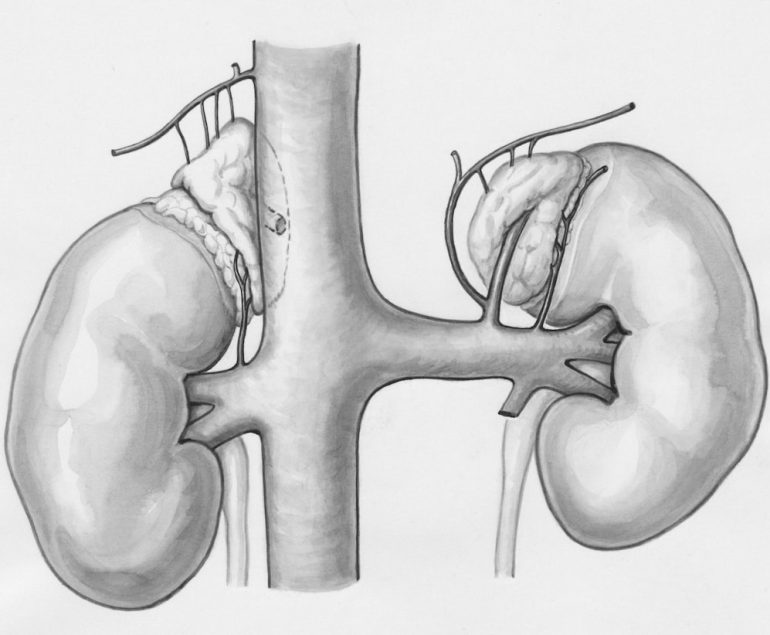
Kidney failure, also called end‑stage renal disease (ESRD), occurs when the kidneys lose roughly 85‑90 % of their filtering capacity. The kidneys are responsible for removing waste products, excess fluid, and electrolytes from the bloodstream. When they can’t perform these functions, toxins build up, leading to symptoms such as fatigue, swelling, shortness of breath, and dangerous electrolyte imbalances.
Key risk factors include diabetes, high blood pressure, glomerulonephritis, polycystic kidney disease, and prolonged use of certain medications. Early detection through routine blood tests (e.g., serum creatinine, eGFR) can slow progression, but once the glomerular filtration rate (GFR) falls below 15 mL/min/1.73 m², dialysis or a kidney transplant becomes necessary.
How Does Dialysis Work?
Dialysis is a form of renal replacement therapy (RRT) that artificially removes waste and excess fluid from the blood. Think of it as an external kidney that either filters blood directly (hemodialysis) or uses the lining of the abdomen as a natural filter (peritoneal dialysis). Both methods rely on diffusion (movement of solutes from high to low concentration) and ultrafiltration (removal of water through a pressure gradient) to achieve balance.
Why Is Dialysis Essential?
- Toxin removal: Clears urea, creatinine, and other metabolic waste.
- Fluid balance: Prevents dangerous fluid overload that can cause pulmonary edema.
- Electrolyte regulation: Maintains safe levels of potassium, sodium, and calcium.
- Acid‑base control: Helps keep blood pH within a narrow, healthy range.
- In‑center HD: 3–4 sessions per week, each lasting 3–5 hours.
- Home HD: More flexible; can be performed daily or several times a week with shorter sessions.
- Rapid removal of waste, making it ideal for patients with high toxin loads.
- Close monitoring by dialysis staff (in‑center).
- Fewer daily dietary restrictions compared with peritoneal dialysis.
- Travel to a dialysis center can be time‑consuming.
- Vascular access (arteriovenous fistula or graft) requires surgery and diligent care.
- Potential for “dialysis disequilibrium syndrome” if sessions are too aggressive.
- Continuous Ambulatory Peritoneal Dialysis (CAPD): 4–5 manual exchanges per day.
- Automated Peritoneal Dialysis (APD): Machine‑controlled exchanges performed overnight while you sleep.
- Greater flexibility; can be done at home, at work, or while traveling.
- No need for vascular access, reducing risk of certain infections.
- More stable fluid removal, often resulting in fewer blood pressure swings.
- Requires strict aseptic technique to prevent peritonitis.
- Higher glucose load from dialysate may affect blood sugar control.
- Not suitable for patients with extensive abdominal surgeries or adhesions.
- Hemodialysis: An arteriovenous (AV) fistula is the gold‑standard access. It’s created surgically by joining an artery and vein, allowing the vein to enlarge and handle high blood flow. If a fistula isn’t feasible, an AV graft (synthetic tube) or a tunneled central venous catheter may be used temporarily.
- Peritoneal Dialysis: A peritoneal catheter is placed through a small incision under local anesthesia. Proper healing (usually 2–4 weeks) is essential before starting exchanges.
- Keep the access site clean and dry.
- Inspect daily for redness, swelling, or discharge.
- Report any “thrill” (vibration) loss or pain immediately to your care team.
- In‑center HD: Arrive 15 minutes early for vitals and weight check. Sessions typically begin with a “dry weight” assessment—your target post‑dialysis weight—to guide fluid removal.
- Home HD: Set up a dedicated space with power outlets, a clean surface, and storage for supplies. Practice under nurse supervision before going solo.
- PD: Keep a log of fill and drain times, dialysate volumes, and any symptoms. Use a calendar or smartphone app to stay consistent.
- Control protein intake: 1.0–1.2 g/kg ideal body weight per day for HD; slightly higher for PD due to protein loss in dialysate.
- Limit potassium and phosphorus: Choose low‑potassium fruits (e.g., apples, berries) and phosphorus binders as prescribed.
- Monitor fluid: Track daily fluid intake and output; most patients aim for a “dry weight” that matches their weight after a successful dialysis session.
- Join a support group (in‑person or online) to share experiences.
- Talk to a mental health professional familiar with chronic illness.
- Practice mindfulness or gentle exercise (e.g., chair yoga) to reduce stress.
- 150 minutes of moderate aerobic activity per week (or as tolerated).
- Strength training twice weekly to preserve muscle mass.
- Employment: Discuss flexible scheduling with your employer. Many dialysis centers offer early‑morning or late‑evening slots to accommodate work hours.
- Travel: For HD, coordinate with the destination’s dialysis center at least 4–6 weeks in advance. For PD, bring a portable “travel kit” with pre‑filled bags and a backup generator if needed.
- Social events: Plan ahead for meals; ask about ingredients and portion sizes. Bring your own snacks if you’re unsure about the menu.
- Normalize the conversation: Share your experience with trusted friends or family; openness reduces stigma.
- Set realistic goals: Celebrate small victories—completing a week of consistent treatments, mastering a new recipe, or reaching a fitness milestone.
- Professional help: Many nephrology clinics embed psychologists or social workers who specialize in chronic illness coping strategies.
Without dialysis, these functions deteriorate rapidly, leading to life‑threatening complications. Understanding the “why” behind dialysis sets the stage for making confident treatment choices.
—
2. Types of Dialysis: Hemodialysis vs. Peritoneal Dialysis
Hemodialysis (HD)
How It Works: Blood is drawn from the patient, passed through a dialyzer (artificial kidney), and returned to the body. The dialyzer contains a semipermeable membrane that allows waste and excess fluid to pass into a dialysate solution while retaining essential blood components.
Typical Schedule:
Pros:
Cons:
Peritoneal Dialysis (PD)
How It Works: A sterile dialysis fluid (dialysate) is infused into the peritoneal cavity through a catheter. The peritoneal membrane acts as a natural filter, allowing waste and fluid to move from the blood into the dialysate, which is later drained and replaced.
Common Regimens:
Pros:
Cons:
Choosing the Right Modality
Decision‑making should involve a multidisciplinary team—nephrologist, dialysis nurse, dietitian, and social worker—plus the patient’s personal preferences, lifestyle, and medical condition. Some key questions to ask:
1. Do I have reliable transportation or a support network for in‑center HD?
2. Am I comfortable performing sterile exchanges at home?
3. What are my work and family commitments?
4. Do I have any abdominal issues that could limit PD?
The right choice varies, and many patients switch modalities as their health or circumstances evolve.
—
3. Preparing for Dialysis: What to Expect and How to Get Ready
1. Creating a Dialysis Access
Tips for Access Care:
2. Understanding the Dialysis Schedule
3. Nutrition and Medication Adjustments
Dialysis alters how the body processes nutrients and drugs. Work closely with a renal dietitian to:
Medication changes may include dose reductions for renally cleared drugs, timing adjustments (e.g., taking certain meds after dialysis), and adding erythropoiesis‑stimulating agents (ESAs) for anemia.
4. Emotional and Psychological Preparation
Starting dialysis can trigger anxiety, depression, or feelings of loss. Consider these strategies:
A well‑rounded preparation plan addresses both physical and emotional needs, paving the way for smoother adaptation.
—
4. Managing Life on Dialysis: Diet, Lifestyle, and Emotional Health
Dialysis‑Friendly Diet Tips
| Nutrient | Why It Matters | Practical Tips |
|———-|—————-|—————-|
| Protein | Supports tissue repair; excess waste production if too high. | Choose high‑quality sources (lean poultry, fish, eggs). Limit processed meats. |
| Potassium | Prevents dangerous heart rhythm changes. | Limit bananas, oranges, tomatoes; opt for apples, grapes, berries. |
| Phosphorus | Controls bone health; excess leads to vascular calcification. | Use phosphate binders; avoid dairy, nuts, cola drinks. |
| Sodium | Reduces fluid retention and blood pressure spikes. | Cook with herbs, not salt; read labels for hidden sodium. |
| Fluid | Maintains dry weight and prevents swelling. | Measure all beverages; use a water‑tracking app. |
Remember, individual targets vary. Regular labs (creatinine, potassium, phosphorus) guide adjustments, so keep open communication with your dietitian.
Staying Active
Physical activity improves cardiovascular health, mood, and dialysis outcomes. Even modest exercise—walking, resistance bands, or stationary cycling—can be beneficial. Aim for:
If you’re on in‑center HD, consider light walking before or after sessions. For home HD or PD, schedule short activity breaks between exchanges.
Work, Travel, and Social Life
Managing Emotional Well‑Being
—
5. Advancements and Future Directions in Dialysis
Wearable and Portable Dialysis Devices
Researchers are developing compact, wearable artificial kidneys that could provide continuous dialysis while allowing patients to move freely. Early trials show promise in reducing the need for thrice‑weekly sessions and improving quality of life.
Biocompatible Membranes and Sorbents
New dialyzer membranes made from synthetic polymers reduce inflammation and improve clearance of middle‑molecule toxins. Sorbent‑based systems (e.g., hemoperfusion) are being integrated to target specific uremic toxins that traditional dialysis doesn’t adequately remove.
Regenerative Medicine and Bioengineered Kidneys
Stem‑cell research and 3D‑bioprinting aim to create functional kidney tissue that could eventually replace dialysis altogether. While still experimental, these approaches could revolutionize renal replacement therapy in the next decade.
Tele‑Nephrology and Remote Monitoring
Digital health platforms now allow real‑time tracking of weight, blood pressure, and dialysis parameters. Alerts can be sent to clinicians if trends suggest fluid overload or electrolyte disturbances, enabling proactive interventions without a clinic visit.
Personalized Dialysis Prescriptions
Advances in genomics and metabolomics help tailor dialysis dose, frequency, and modality to each patient’s unique metabolic profile. This “precision dialysis” approach aims to minimize complications and maximize residual kidney function.
What This Means for Patients Today: While many of these innovations are still emerging, they signal a future where dialysis becomes less burdensome, more efficient, and more integrated with daily life. Staying informed and discussing new options with your nephrology team can help you benefit from cutting‑edge therapies as they become available.
—
Conclusion – Key Takeaways for a Healthier Dialysis Journey
1. Dialysis is a life‑saving renal replacement therapy that restores waste removal, fluid balance, and electrolyte control when kidneys can no longer function.
2. Two primary modalities—hemodialysis and peritoneal dialysis—offer distinct benefits; the best choice depends on medical suitability, lifestyle, and personal preference.
3. Preparation is critical: establishing a reliable access, mastering the treatment schedule,

At King Edward Medical College, he was the recipient of the “Most Distinguished Student” award and graduated at the top of his class. Upon completing his medical education, Dr. Zafar went on to pursue his urology training at Royal Shrewsbury Hospital and at Ealing and Hammersmith Hospitals in England. In 1994, he completed a Fellowship in Endourology at Methodist Hospital in Indianapolis, Indiana. The focus of his fellowship was in urinary and bladder stones, male and female incontinence, and male impotence.
Dr. Zafar has been an active member of the American Urological Association, American Association of Clinical Urologists, and Society of Laparoscopic Surgeons.