


Are you considering a vasectomy as a permanent birth control method? With over 500,000 men undergoing the procedure every year in the United States alone, it’s no wonder that vasectomy has become a popular topic of discussion. But despite its popularity, there are still many misconceptions surrounding this simple yet effective procedure. In this comprehensive guide, we’ll delve into the world of vasectomy, exploring its benefits, risks, and what you can expect before, during, and after the procedure. So, if you’re thinking of “tying the tubes” or just want to learn more about this permanent birth control method, keep reading!
What is a Vasectomy and How Does it Work?
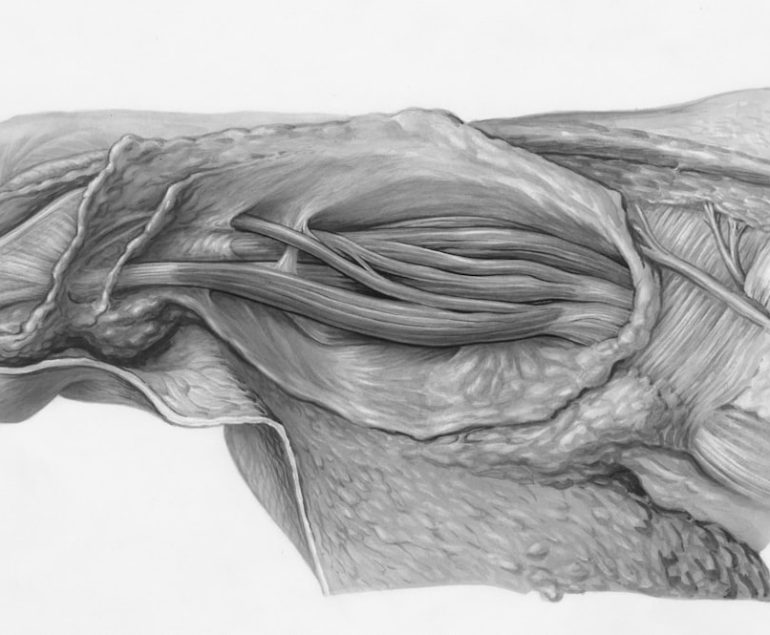
A vasectomy, also known as male sterilization, is a surgical procedure that involves cutting or blocking the vas deferens, the tubes that carry sperm from the testicles to the penis. By preventing sperm from mixing with semen, a vasectomy effectively prevents pregnancy. The procedure is typically performed in a doctor’s office or clinic, and it’s usually done under local anesthesia. There are two types of vasectomy procedures: traditional vasectomy and no-scalpel vasectomy. The traditional method involves making a small incision in the scrotum to access the vas deferens, while the no-scalpel method uses a special instrument to make a small puncture in the skin.
The benefits of a vasectomy are numerous. Not only is it a highly effective form of birth control, with a success rate of over 99%, but it’s also a relatively quick and painless procedure. Most men can return to their normal activities within a few days, and the risk of complications is minimal. Additionally, a vasectomy does not affect a man’s sex drive or ability to achieve an erection. In fact, many men report an increase in sexual satisfaction after the procedure, as they no longer have to worry about unintended pregnancy.
Preparing for a Vasectomy: What to Expect
Before undergoing a vasectomy, it’s essential to understand the preparation process. Your doctor will typically schedule a consultation to discuss your medical history, answer any questions you may have, and explain the procedure in detail. You’ll also need to provide a semen sample to ensure that you’re not already sterile. On the day of the procedure, you’ll be asked to arrive with a full bladder, as this helps to elevate the scrotum and make the procedure easier. You’ll also need to wear loose, comfortable clothing and avoid wearing any tight underwear or clothing that may put pressure on the scrotum.
It’s also important to note that a vasectomy is not immediately effective. It can take several months for all sperm to be cleared from the semen, and during this time, you’ll need to use alternative forms of birth control to prevent pregnancy. Your doctor will schedule follow-up appointments to check your semen samples and ensure that the procedure has been successful. It’s also essential to follow your doctor’s instructions for post-procedure care, including avoiding heavy lifting, bending, or strenuous activities for several days.
Risks and Complications: What You Need to Know
Like any surgical procedure, a vasectomy carries some risks and complications. These can include bleeding, infection, and swelling, as well as more serious complications such as sperm granuloma, a condition where a small lump forms at the site of the vasectomy. However, it’s worth noting that these complications are rare, and most men experience only minor side effects, such as mild discomfort or bruising.
It’s also important to understand that a vasectomy is a permanent form of birth control. While it’s possible to reverse the procedure, it’s a complex and expensive process that’s not always successful. Therefore, it’s essential to be certain that you’re ready for a permanent form of birth control before undergoing a vasectomy. If you’re unsure, you may want to consider alternative forms of birth control, such as condoms or vasectomy alternatives like the “RISUG” procedure.
Life After Vasectomy: What to Expect
After a vasectomy, most men can return to their normal activities within a few days. You may experience some mild discomfort or swelling, but this can be managed with over-the-counter pain medication and ice packs. It’s essential to follow your doctor’s instructions for post-procedure care, including avoiding heavy lifting, bending, or strenuous activities for several days.
In terms of sex and relationships, a vasectomy can have a significant impact. Many men report an increase in sexual satisfaction, as they no longer have to worry about unintended pregnancy. However, it’s essential to communicate with your partner about your decision to undergo a vasectomy, as it can affect your relationship and future plans. You may also want to consider counseling or therapy to discuss any concerns or emotions you may have about the procedure.
Conclusion: Key Takeaways
In conclusion, a vasectomy is a safe and effective form of permanent birth control that can have a significant impact on a man’s life. By understanding the benefits, risks, and what to expect before, during, and after the procedure, you can make an informed decision about whether a vasectomy is right for you. Remember to discuss your options with your doctor, follow post-procedure care instructions, and communicate with your partner about your decision. With the right information and support, a vasectomy can be a liberating and empowering experience that allows you to take control of your reproductive health.
Key takeaways:
- A vasectomy is a highly effective form of birth control, with a success rate of over 99%.
- The procedure is relatively quick and painless, with most men returning to their normal activities within a few days.
- A vasectomy does not affect a man’s sex drive or ability to achieve an erection.
- The procedure is not immediately effective, and alternative forms of birth control should be used until the sperm are cleared from the semen.
- Risks and complications are rare, but can include bleeding, infection, and swelling.
- A vasectomy is a permanent form of birth control, and reversal is complex and not always successful.
By following these key takeaways and doing your research, you can make an informed decision about whether a vasectomy is right for you. Remember to prioritize your reproductive health and take control of your body – you deserve it!