Are you one of the millions of people who have experienced the excruciating pain of a kidney stone? If so, you’re not alone. Kidney stones affect approximately 1 in 10 people at some point in their lives, causing debilitating pain, discomfort, and disruption to daily life. But what exactly are kidney stones, and how can you prevent them from forming in the first place? In this article, we’ll delve into the world of kidney stones, exploring their causes, symptoms, treatment options, and most importantly, prevention strategies.
What are Kidney Stones?
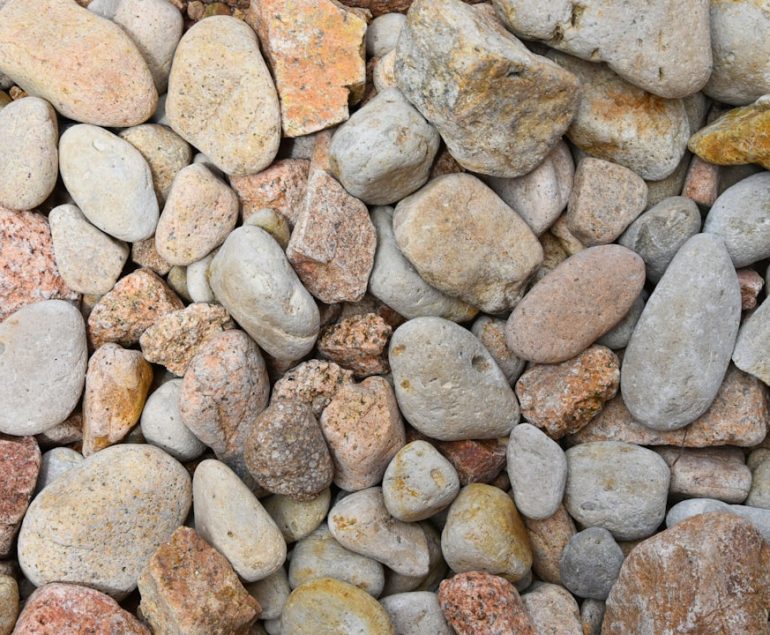
Kidney stones, also known as nephrolithiasis, are small, hard mineral deposits that form inside the kidneys when there is an imbalance of water, salts, and other substances in the urine. These stones can be as small as a grain of sand or as large as a pearl, and they can cause significant pain and discomfort as they pass through the urinary tract. There are four main types of kidney stones: calcium oxalate stones, uric acid stones, struvite stones, and cystine stones. Each type of stone has its own unique causes and risk factors, but they all share one thing in common: they can be prevented with the right lifestyle changes and dietary modifications.
Symptoms and Diagnosis of Kidney Stones
So, how do you know if you have a kidney stone? The symptoms can vary depending on the size and location of the stone, but common signs include severe pain in the side or back, below the ribs, nausea and vomiting, frequent or painful urination, and blood in the urine. If you’re experiencing any of these symptoms, it’s essential to seek medical attention immediately. Your doctor will likely perform a physical exam, take a medical history, and order diagnostic tests such as a CT scan, ultrasound, or urine test to confirm the presence of a kidney stone. In some cases, your doctor may also recommend a kidney stone analysis to determine the type of stone and develop a personalized treatment plan.
Treatment and Prevention of Kidney Stones
While kidney stones can be painful and debilitating, the good news is that they can often be treated and prevented with lifestyle changes and medical interventions. For small stones, your doctor may recommend drinking plenty of water to help flush out the stone, taking pain medication to manage symptoms, and using medical expulsive therapy to help the stone pass more quickly. For larger stones, surgery may be necessary to remove the stone and prevent further complications. But prevention is always the best medicine, and there are several strategies you can use to reduce your risk of developing kidney stones. These include staying hydrated by drinking at least 8-10 glasses of water per day, limiting your intake of oxalate-rich foods such as spinach and beets, reducing your sodium intake to less than 2,300 milligrams per day, and avoiding sugary drinks and foods high in animal protein.
Dietary Modifications for Kidney Stone Prevention
One of the most effective ways to prevent kidney stones is through dietary modifications. By making a few simple changes to your diet, you can significantly reduce your risk of developing kidney stones. For example, increasing your intake of citrate-rich foods such as lemons and oranges can help prevent calcium oxalate stones, while reducing your intake of animal protein can help prevent uric acid stones. Additionally, eating a diet rich in whole foods, fruits, and vegetables can help you stay hydrated and reduce your risk of stone formation. Some of the best foods for kidney stone prevention include:
- Citrus fruits such as lemons, oranges, and grapefruits
- Berries such as cranberries, blueberries, and raspberries
- Leafy greens such as spinach, kale, and collard greens
- Whole grains such as brown rice, quinoa, and whole wheat bread
- Nuts and seeds such as almonds, pumpkin seeds, and sunflower seeds
- Stay hydrated by drinking at least 8-10 glasses of water per day
- Limit your intake of oxalate-rich foods and sugary drinks
- Eat a diet rich in whole foods, fruits, and vegetables
- Reduce your sodium intake to less than 2,300 milligrams per day
- Consider taking a citrate supplement or increasing your intake of citrate-rich foods to help prevent calcium oxalate stones
Conclusion and Key Takeaways
Kidney stones can be a painful and debilitating condition, but they can often be prevented and treated with lifestyle changes and medical interventions. By understanding the causes and symptoms of kidney stones, and by making a few simple changes to your diet and lifestyle, you can significantly reduce your risk of developing these painful stones. Remember to stay hydrated, limit your intake of oxalate-rich foods, and eat a diet rich in whole foods, fruits, and vegetables. With the right knowledge and strategies, you can take control of your kidney health and prevent kidney stones from forming in the first place. Key takeaways include:
By following these tips and taking control of your kidney health, you can reduce your risk of developing kidney stones and live a healthier, happier life. So, don’t wait until it’s too late – take the first step towards kidney stone prevention today!