

As men age, they may start to notice changes in their urinary habits, such as a weaker flow, frequent trips to the bathroom, or difficulty starting to urinate. These symptoms can be frustrating, embarrassing, and even painful, but they are often dismissed as a normal part of aging. However, for millions of men worldwide, these symptoms may be a sign of a more serious condition: benign prostatic hyperplasia (BPH). Also known as an enlarged prostate, BPH is a non-cancerous growth of the prostate gland that can wreak havoc on a man’s quality of life. In this comprehensive guide, we will delve into the world of BPH, exploring its causes, symptoms, diagnosis, treatment options, and lifestyle changes that can help manage the condition.
What is Benign Prostatic Hyperplasia?
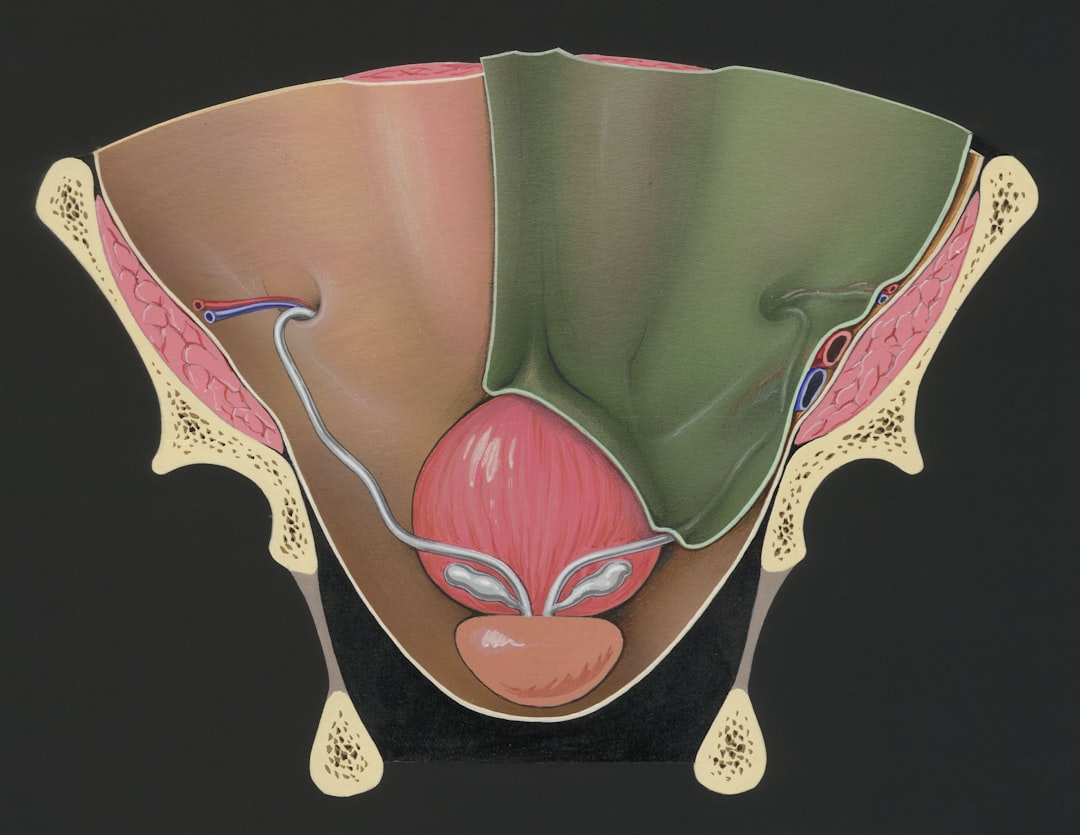
Benign prostatic hyperplasia is a condition where the prostate gland, a small walnut-sized gland located below the bladder, becomes enlarged. The prostate gland surrounds the urethra, the tube that carries urine out of the body, and plays a crucial role in the production of semen. As men age, the prostate gland can start to grow, squeezing the urethra and causing a range of urinary symptoms. BPH is a common condition, affecting up to 50% of men by the age of 50 and up to 90% of men by the age of 80. While the exact cause of BPH is still unknown, research suggests that it may be linked to hormonal changes, genetics, and lifestyle factors.
The symptoms of BPH can vary from man to man, but common signs include:
- Weak or interrupted urine flow
- Frequent urination, especially at night
- Difficulty starting to urinate
- Painful or burning urination
- Urinary urgency or frequency
- Blood in the urine
- Avoiding caffeine and alcohol, which can irritate the bladder
- Limiting fluid intake before bedtime to reduce nighttime urination
- Practicing pelvic floor exercises, such as Kegel exercises, to strengthen the muscles that support the bladder
- Managing stress through relaxation techniques, such as meditation or deep breathing
- Alpha-blockers, such as tamsulosin or doxazosin, which relax the muscles in the prostate gland and bladder neck
- 5-alpha-reductase inhibitors, such as finasteride or dutasteride, which shrink the size of the prostate gland
- Phosphodiesterase-5 inhibitors, such as tadalafil, which can help improve urine flow and reduce symptoms
- BPH is a non-cancerous growth of the prostate gland that can cause urinary symptoms
- Lifestyle changes, such as a healthy diet and regular exercise, can help manage symptoms and promote prostate health
- Medication and surgery can help alleviate symptoms and improve urine flow
- Regular check-ups and screenings are essential for monitoring prostate health and preventing complications
- Stress management and relaxation techniques can help reduce symptoms and promote overall health and well-being.
If you are experiencing any of these symptoms, it is essential to consult with your doctor to rule out other potential causes, such as prostate cancer or urinary tract infections. A proper diagnosis can help you receive the right treatment and management plan to alleviate your symptoms and improve your quality of life.
Diagnosing and Treating Benign Prostatic Hyperplasia
Diagnosing BPH typically involves a combination of physical exams, medical history, and diagnostic tests. Your doctor may perform a digital rectal exam (DRE) to check for any abnormalities in the prostate gland, as well as a urine test to rule out infections or other conditions. Imaging tests, such as an ultrasound or MRI, may also be used to visualize the prostate gland and assess its size.
Treatment options for BPH vary depending on the severity of symptoms and the size of the prostate gland. Mild symptoms may be managed with lifestyle changes, such as:
For more severe symptoms, medication may be prescribed to help relax the muscles in the prostate gland and improve urine flow. Common medications for BPH include:
In some cases, surgery may be necessary to remove or reduce the size of the prostate gland. Minimally invasive procedures, such as transurethral resection of the prostate (TURP) or laser surgery, can help improve urine flow and reduce symptoms.
Lifestyle Changes for Managing Benign Prostatic Hyperplasia
While medication and surgery can help alleviate symptoms, lifestyle changes can play a significant role in managing BPH. A healthy diet, rich in fruits, vegetables, and whole grains, can help support prostate health and reduce inflammation. Foods that are high in antioxidants, such as tomatoes, bell peppers, and leafy greens, may be particularly beneficial.
Regular exercise, such as walking or swimming, can also help improve prostate health and reduce symptoms. Exercise can help strengthen the muscles that support the bladder, improve urine flow, and reduce stress. Additionally, maintaining a healthy weight can help reduce pressure on the prostate gland and improve overall health.
Stress management is also crucial for managing BPH. Stress can exacerbate symptoms, such as urinary frequency and urgency, and can also affect overall mental and physical health. Techniques, such as meditation, deep breathing, or yoga, can help reduce stress and promote relaxation.
Managing Complications and Preventing Progression
While BPH is a non-cancerous condition, it can lead to complications, such as urinary tract infections, bladder stones, and kidney damage. It is essential to work closely with your doctor to manage symptoms, monitor prostate health, and prevent progression.
Regular check-ups and screenings can help detect any changes in the prostate gland or urinary system. Your doctor may recommend regular prostate-specific antigen (PSA) tests, digital rectal exams, and urine tests to monitor your condition.
In addition to medical management, lifestyle changes can help prevent progression and reduce the risk of complications. Quitting smoking, limiting alcohol consumption, and maintaining a healthy weight can all contribute to overall prostate health and reduce the risk of complications.
Conclusion:
Benign prostatic hyperplasia is a common condition that affects millions of men worldwide. While it can be frustrating and embarrassing, it is essential to seek medical attention and work closely with your doctor to manage symptoms and prevent complications. By understanding the causes, symptoms, and treatment options for BPH, you can take control of your health and improve your quality of life. Remember, lifestyle changes, such as a healthy diet, regular exercise, and stress management, can play a significant role in managing BPH and promoting overall prostate health. Don’t let BPH hold you back – take the first step towards a healthier, happier you today.
Key takeaways:

At King Edward Medical College, he was the recipient of the “Most Distinguished Student” award and graduated at the top of his class. Upon completing his medical education, Dr. Zafar went on to pursue his urology training at Royal Shrewsbury Hospital and at Ealing and Hammersmith Hospitals in England. In 1994, he completed a Fellowship in Endourology at Methodist Hospital in Indianapolis, Indiana. The focus of his fellowship was in urinary and bladder stones, male and female incontinence, and male impotence.
Dr. Zafar has been an active member of the American Urological Association, American Association of Clinical Urologists, and Society of Laparoscopic Surgeons.