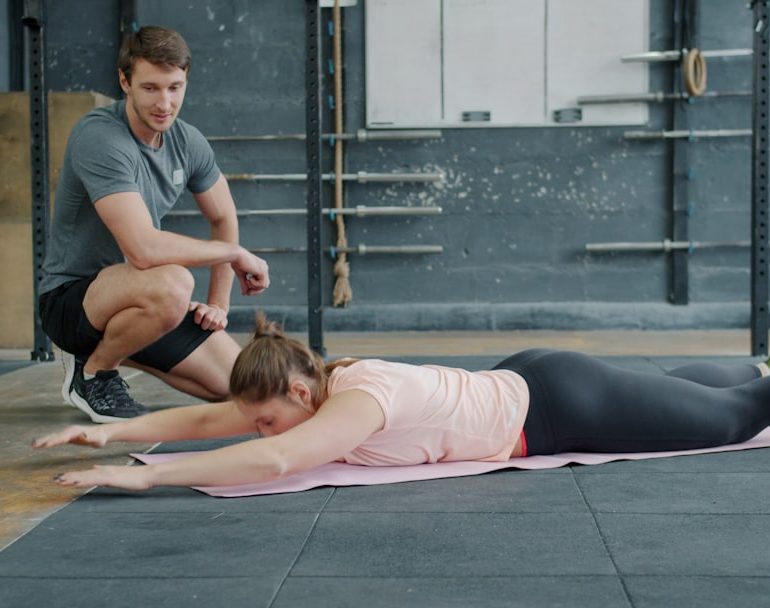
As we go about our daily lives, it’s easy to overlook one of the most critical areas of our body: the pelvic floor. This network of muscles, tissues, and ligaments plays a vital role in supporting our bladder, bowel, and reproductive organs, yet it’s often neglected until problems arise. But what if you could take control of your pelvic health and unlock a stronger, more resilient you? Pelvic floor exercises, also known as Kegel exercises, are a simple yet powerful way to do just that. In this comprehensive guide, we’ll delve into the world of pelvic floor exercises, exploring their benefits, techniques, and tips for incorporating them into your daily routine.
What are Pelvic Floor Exercises and Why are They Important?
Pelvic floor exercises are a series of contractions and releases that target the muscles of the pelvic floor, including the pubococcygeus muscle (PC muscle). These exercises were first developed by Dr. Arnold Kegel in the 1940s as a way to help women strengthen their pelvic muscles after childbirth. Today, pelvic floor exercises are recognized as a valuable tool for both men and women, offering a range of benefits that extend far beyond the pelvic region. By strengthening the pelvic floor muscles, you can:
- Improve bladder control and reduce the risk of incontinence
- Enhance sexual function and pleasure
- Support the spine and reduce lower back pain
- Boost overall core strength and stability
- Reduce the risk of prolapse and other pelvic floor disorders
- Sit comfortably with your back straight and your feet planted firmly on the ground
- Imagine you’re trying to stop the flow of urine or prevent passing gas
- Squeeze the muscles in your pelvic floor, holding for 5-10 seconds
- Release the muscles and repeat the process 10-15 times
- Start slow: Begin with short contractions and gradually increase the duration as your muscles become stronger
- Focus on the correct muscles: Remember to engage your pelvic floor muscles, rather than your abdominal or gluteal muscles
- Practice regularly: Aim to practice pelvic floor exercises 2-3 times a day, ideally at the same time each day
- Use visualization techniques: Imagine you’re squeezing a small muscle or drawing your pelvic floor muscles upwards to help engage the correct muscles
- Incorporate different positions: Try practicing pelvic floor exercises in different positions, such as standing, sitting, or lying down, to challenge your muscles and improve overall strength
- Kegel balls: Small, weighted balls that can be inserted into the vagina to provide resistance and help strengthen the pelvic floor muscles
- Pelvic floor exercise devices: Electronic devices that provide biofeedback and guidance to help you practice effective pelvic floor exercises
- Mobile apps: A range of apps, such as Kegel Trainer and Pelvic Floor Exercises, that offer guided workouts, tracking features, and personalized coaching
- Difficulty identifying the correct muscles: Try practicing pelvic floor exercises in front of a mirror, using a biofeedback device, or working with a healthcare professional to help you identify the correct muscles
- Lack of motivation: Schedule pelvic floor exercises into your daily routine, set reminders, and track your progress to stay motivated and engaged
- Pain or discomfort: If you experience pain or discomfort while practicing pelvic floor exercises, stop immediately and consult with a healthcare professional for guidance
- Incontinence or leakage: If you experience incontinence or leakage while practicing pelvic floor exercises, try reducing the intensity or duration of your workouts and gradually increasing as your muscles become stronger
- Super Kegels: Hold the contraction for 10-15 seconds, followed by a 10-15 second release
- Kegel waves: Contract and release the pelvic floor muscles in a wave-like motion, moving from the front to the back of the pelvic floor
- Pelvic tilts: Tilt your pelvis upwards and downwards, engageing the pelvic floor muscles to support the movement
- Bridge exercises: Lie on your back with your knees bent and feet flat on the ground, lifting your hips upwards and engaging the pelvic floor muscles to support the movement
But how do pelvic floor exercises work? The key is to identify and engage the correct muscles. To do this, try the following:
Techniques and Tips for Effective Pelvic Floor Exercises
While the basic concept of pelvic floor exercises is simple, there are a few key techniques and tips to keep in mind to get the most out of your practice. Here are some tips to help you get started:
In addition to these tips, there are a range of tools and resources available to help you practice pelvic floor exercises, including:
Common Challenges and Solutions
While pelvic floor exercises are a simple and effective way to improve your overall health, there are a few common challenges that can arise. Here are some solutions to help you overcome these obstacles:
Advanced Techniques and Variations
Once you’ve mastered the basics of pelvic floor exercises, you can try incorporating more advanced techniques and variations into your practice. Here are a few ideas to get you started:
By incorporating these advanced techniques and variations into your practice, you can challenge your muscles, improve your overall strength and flexibility, and experience even greater benefits from your pelvic floor exercises.
In conclusion, pelvic floor exercises are a simple yet powerful way to take control of your pelvic health and unlock a stronger, more resilient you. By incorporating these exercises into your daily routine, you can improve bladder control, enhance sexual function, support your spine, and boost overall core strength and stability. Remember to start slow, focus on the correct muscles, and practice regularly to get the most out of your practice. With patience, persistence, and the right techniques, you can unlock the full potential of your pelvic floor and experience a range of benefits that extend far beyond the pelvic region. So why wait? Start practicing pelvic floor exercises today and discover a stronger, healthier you.