Are you considering a vasectomy as a permanent birth control method? With over 500,000 vasectomies performed in the United States each year, it’s no wonder that many men are turning to this popular and effective procedure. But despite its popularity, there’s still a lot of misinformation and misconceptions surrounding vasectomy. In this comprehensive guide, we’ll delve into the world of vasectomy, separating fact from fiction, and providing you with the valuable information you need to make an informed decision.
What is a Vasectomy?
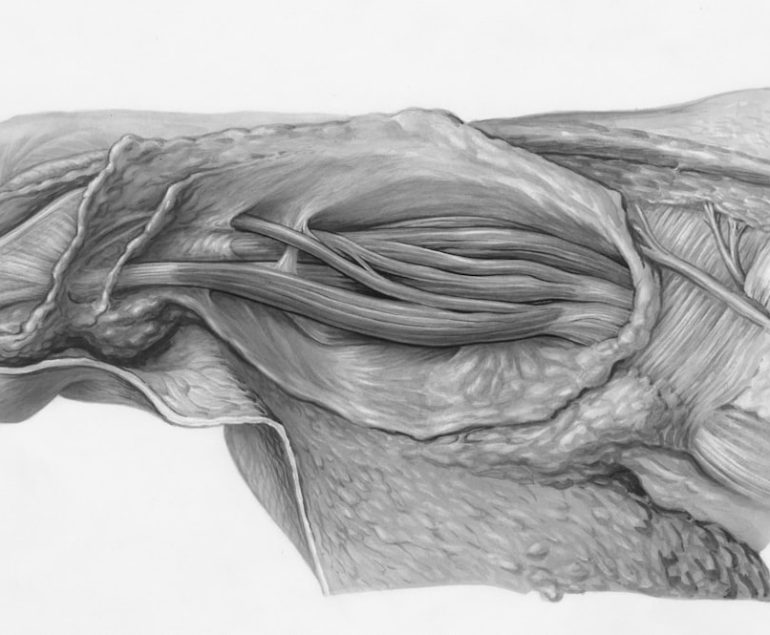
A vasectomy, also known as male sterilization, is a surgical procedure that involves cutting or blocking the vas deferens, the tubes that carry sperm from the testicles to the penis. This prevents sperm from mixing with semen, effectively preventing pregnancy. The procedure is usually performed in a doctor’s office or clinic, and it’s a relatively quick and painless process. With a success rate of over 99%, vasectomy is a highly effective form of birth control, making it an attractive option for men who have completed their families or are certain they don’t want to have children in the future.
There are two main types of vasectomy: traditional and no-scalpel. Traditional vasectomy involves making a small incision in the scrotum to access the vas deferens, while no-scalpel vasectomy uses a special instrument to make a small puncture in the skin, eliminating the need for a scalpel. Both methods are effective, but no-scalpel vasectomy is generally considered to be less invasive and have a faster recovery time. It’s essential to discuss the options with your doctor to determine which method is best for you.
Benefits and Risks of Vasectomy
Like any surgical procedure, vasectomy has its benefits and risks. On the plus side, vasectomy is a highly effective form of birth control, with a failure rate of less than 1%. It’s also a relatively quick and painless procedure, with most men returning to their normal activities within a few days. Additionally, vasectomy does not affect a man’s libido or ability to ejaculate, making it a popular choice for men who want to enjoy their sex life without the risk of unwanted pregnancy.
However, as with any surgery, there are potential risks and complications associated with vasectomy. These can include bleeding, infection, and swelling, as well as more serious complications such as sperm granuloma (a lump that forms at the site of the vasectomy) or epididymitis (inflammation of the epididymis, a tube that stores sperm). It’s essential to discuss these risks with your doctor and carefully weigh the benefits and risks before making a decision.
Post-Vasectomy Care and Recovery
After a vasectomy, it’s essential to follow your doctor’s instructions carefully to ensure a smooth and comfortable recovery. This may include avoiding heavy lifting, bending, or strenuous activities for several days, as well as taking pain medication to manage any discomfort. You may also experience some swelling, bruising, or numbness in the scrotum, but these symptoms should resolve on their own within a few days.
It’s also important to note that vasectomy is not immediately effective, and it may take several months for all sperm to be cleared from the semen. During this time, you’ll need to use other forms of birth control to prevent pregnancy. Your doctor will typically perform a semen analysis after 3-4 months to confirm that the procedure has been successful.
Vasectomy Reversal: What You Need to Know
While vasectomy is considered a permanent form of birth control, it is possible to reverse the procedure if circumstances change. Vasectomy reversal, also known as vasovasostomy, involves surgically reconnecting the vas deferens to restore sperm flow. However, the success of vasectomy reversal depends on various factors, including the length of time since the original procedure, the age of the man, and the presence of any underlying fertility issues.
It’s essential to note that vasectomy reversal is a more complex and expensive procedure than the original vasectomy, and it may not always be successful. Additionally, even if the procedure is successful, it may take several months for sperm to return to the semen, and fertility may not be fully restored. If you’re considering vasectomy, it’s crucial to be certain that you don’t want to have children in the future, as reversal is not always possible or guaranteed.
Conclusion and Key Takeaways
In conclusion, vasectomy is a highly effective and popular form of birth control that can provide peace of mind for men who have completed their families or are certain they don’t want to have children in the future. While there are potential risks and complications associated with the procedure, these can be minimized by choosing an experienced doctor and carefully following post-vasectomy care instructions.
Key takeaways to consider:
- Vasectomy is a permanent form of birth control that involves cutting or blocking the vas deferens to prevent sperm from mixing with semen.
- The procedure is relatively quick and painless, with a success rate of over 99%.
- There are potential risks and complications associated with vasectomy, including bleeding, infection, and swelling.
- Post-vasectomy care and recovery involve avoiding heavy lifting and strenuous activities, taking pain medication, and following your doctor’s instructions carefully.
- Vasectomy reversal is possible, but it’s a more complex and expensive procedure that may not always be successful.
If you’re considering vasectomy, it’s essential to consult with a qualified doctor to discuss your options and determine if this procedure is right for you. With the right information and care, vasectomy can be a highly effective and liberating form of birth control that allows you to take control of your reproductive health.