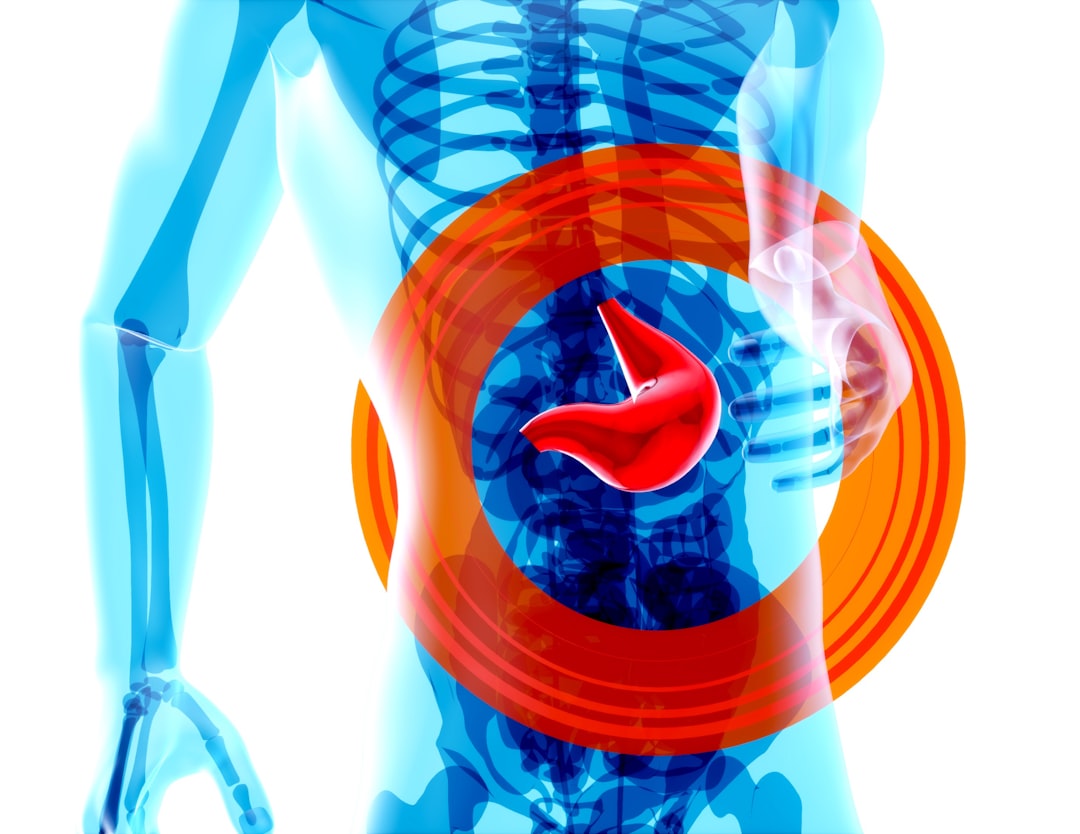
The Silent Killer: Understanding Kidney Disease and Taking Control of Your Health

Are you aware that kidney disease is one of the leading causes of death worldwide, affecting over 850 million people globally? This silent killer can creep up on anyone, regardless of age, gender, or ethnicity, and often goes undetected until it’s too late. The good news is that with early detection and proper management, kidney disease can be treated, and its progression can be slowed down. In this comprehensive guide, we’ll delve into the world of kidney disease, exploring its causes, symptoms, diagnosis, treatment options, and most importantly, prevention strategies.

What is Kidney Disease, and How Does it Affect the Body?

Kidney disease, also known as renal disease, occurs when the kidneys are damaged and unable to function properly. The kidneys play a vital role in our bodies, filtering waste and excess fluids from the blood, regulating blood pressure, and maintaining electrolyte balance. When the kidneys are compromised, waste builds up in the body, leading to a range of complications, including anemia, bone disease, and cardiovascular disease. There are five stages of kidney disease, ranging from mild kidney damage to end-stage renal disease (ESRD), which requires dialysis or a kidney transplant.

The most common causes of kidney disease include diabetes, high blood pressure, family history, and age. If you have a family history of kidney disease, it’s essential to get regular check-ups and screenings to monitor your kidney health. Additionally, maintaining a healthy lifestyle, including a balanced diet, regular exercise, and stress management, can help reduce the risk of developing kidney disease.

Symptoms, Diagnosis, and Treatment Options

In the early stages of kidney disease, there may be no noticeable symptoms, which is why it’s often referred to as a “silent killer.” As the disease progresses, symptoms can include fatigue, swelling in the feet and ankles, blood in the urine, and foamy urine. If you’re experiencing any of these symptoms, it’s crucial to consult with your doctor, who will perform a series of tests to diagnose kidney disease. These tests may include:

  • Blood tests to check for waste products, such as creatinine and urea
  • Urine tests to check for protein, blood, and other abnormalities
  • Imaging tests, such as ultrasound or CT scans, to visualize the kidneys
  • Biopsy, which involves removing a small sample of kidney tissue for examination
  • Treatment options for kidney disease depend on the stage and severity of the disease. In the early stages, lifestyle modifications, such as a kidney-friendly diet and regular exercise, can help slow down disease progression. Medications, such as ACE inhibitors and beta blockers, may be prescribed to control blood pressure and reduce proteinuria (excess protein in the urine). In more advanced stages, dialysis or a kidney transplant may be necessary.

    Prevention and Management: Taking Control of Your Kidney Health

    While kidney disease can be a daunting diagnosis, there are many ways to prevent and manage the disease. Here are some valuable tips to get you started:

  • Maintain a healthy weight: Excess weight can increase blood pressure and put strain on the kidneys. Aim for a body mass index (BMI) between 18.5 and 24.9.
  • Follow a kidney-friendly diet: Limit sodium, phosphorus, and protein intake, and focus on whole, unprocessed foods, such as fruits, vegetables, whole grains, and lean proteins.
  • Stay hydrated: Drink plenty of water to help flush out toxins and waste products from the body.
  • Exercise regularly: Regular physical activity can help lower blood pressure, improve blood flow, and reduce stress.
  • Manage stress: Engage in stress-reducing activities, such as meditation, yoga, or deep breathing exercises, to help manage stress and anxiety.
  • Get enough sleep: Aim for 7-8 hours of sleep per night to help regulate blood pressure and kidney function.
  • Monitor your blood pressure: High blood pressure is a leading cause of kidney disease. Work with your doctor to manage your blood pressure through lifestyle modifications and medication, if necessary.
  • Living with Kidney Disease: Coping with the Emotional and Psychological Impact

    Receiving a kidney disease diagnosis can be overwhelming, and it’s common to experience a range of emotions, from denial and anxiety to depression and fear. It’s essential to acknowledge these feelings and seek support from loved ones, healthcare professionals, or support groups. Here are some tips for coping with the emotional and psychological impact of kidney disease:

  • Connect with others: Join a support group or online community to connect with others who are going through similar experiences.
  • Practice self-care: Engage in activities that bring you joy and help you relax, such as reading, listening to music, or taking a warm bath.
  • Stay informed: Educate yourself about kidney disease, its treatment options, and management strategies.
  • Seek professional help: If you’re struggling with anxiety, depression, or other mental health concerns, consider seeking help from a mental health professional.
  • In conclusion, kidney disease is a serious health condition that requires attention, awareness, and action. By understanding the causes, symptoms, diagnosis, treatment options, and prevention strategies, you can take control of your kidney health and reduce the risk of developing kidney disease. Remember, early detection and proper management can make a significant difference in slowing down disease progression and improving overall health outcomes. Key takeaways include:

  • Maintaining a healthy lifestyle, including a balanced diet, regular exercise, and stress management
  • Getting regular check-ups and screenings to monitor kidney health
  • Following a kidney-friendly diet and staying hydrated
  • Managing stress and getting enough sleep
  • Seeking support from loved ones, healthcare professionals, or support groups

By taking these steps, you can empower yourself to take control of your kidney health and reduce the risk of developing kidney disease. Remember, knowledge is power, and by staying informed and proactive, you can protect your kidneys and live a long, healthy life.

The Urge to Go: Understanding and Managing Frequent Urination

Are you tired of feeling like you’re constantly running to the bathroom? Do you find yourself worrying about being near a restroom at all times, just in case nature calls? You’re not alone. Frequent urination, also known as urinary frequency, is a common issue that affects millions of people worldwide. It’s not just a minor annoyance; it can significantly impact your daily life, from disrupting your sleep patterns to affecting your social activities. In this comprehensive guide, we’ll delve into the world of frequent urination, exploring its causes, symptoms, and management strategies. So, let’s dive in and get to the bottom of this pressing issue.

What is Frequent Urination?

Frequent urination is a condition characterized by the need to urinate more often than usual. While the normal frequency of urination varies from person to person, it’s generally considered excessive if you need to urinate more than eight times in 24 hours. This can be a symptom of an underlying medical condition, a side effect of certain medications, or a result of lifestyle factors. To better understand frequent urination, it’s essential to recognize its different types, including:

    • Nocturia: Waking up multiple times at night to urinate
    • Urgency: A sudden, intense need to urinate
    • Incontinence: The inability to control urination, leading to leakage

Causes of Frequent Urination

So, what causes frequent urination? The answer is complex, as it can be attributed to a range of factors, including:

    • Medical conditions: Diabetes, urinary tract infections (UTIs), kidney stones, and neurological disorders like multiple sclerosis or Parkinson’s disease can all contribute to frequent urination.
    • Hormonal changes: Hormonal fluctuations during pregnancy, menopause, or puberty can lead to changes in bladder function and urination frequency.
    • Medications: Certain medications, such as diuretics, sedatives, andblood pressure medications, can increase urine production or affect bladder function.
    • Lifestyle factors: Consuming caffeine, alcohol, or spicy foods can irritate the bladder and increase urination frequency. Additionally, being overweight or obese can put pressure on the bladder, leading to more frequent urination.
    • Aging: As we age, our bladders naturally lose some of their storage capacity, leading to more frequent urination.

Managing Frequent Urination

While it may seem like a daunting task, managing frequent urination is achievable with the right strategies. Here are some valuable tips to help you take control:

    • Bladder training: Gradually increase the time between trips to the bathroom to help your bladder become more efficient.
    • Dietary changes: Avoid or reduce irritants like caffeine, alcohol, and spicy foods. Increase your intake of fiber-rich foods to help regulate bowel movements and reduce pressure on the bladder.
    • Exercise regularly: Engage in physical activities that strengthen your pelvic floor muscles, such as Kegel exercises, to improve bladder control.
    • Stay hydrated: Drink plenty of water to help your body function properly, but avoid excessive fluid intake, especially before bedtime.
    • Seek medical attention: If you’re experiencing persistent or severe symptoms, consult with your healthcare provider to rule out underlying medical conditions.

Additional Strategies for Nocturia and Incontinence

If you’re struggling with nocturia or incontinence, there are additional strategies you can try:

    • Limit fluids before bedtime: Avoid drinking fluids at least two hours before bedtime to reduce the need for nighttime urination.
    • Use the bathroom right before bed: Empty your bladder completely before going to sleep to minimize the need for nighttime urination.
    • Consider absorbent products: Use absorbent pads or underwear to help manage incontinence and protect your clothing.
    • Pelvic floor physical therapy: Work with a physical therapist to develop a personalized exercise program to strengthen your pelvic floor muscles and improve bladder control.

Conclusion

Frequent urination is a common issue that can significantly impact your daily life. By understanding its causes, recognizing its symptoms, and implementing effective management strategies, you can take control of your bladder health. Remember, it’s essential to consult with your healthcare provider if you’re experiencing persistent or severe symptoms, as they can help you rule out underlying medical conditions and develop a personalized treatment plan. With the right approach, you can reduce your frequency of urination, improve your overall quality of life, and say goodbye to the constant urge to go. Key takeaways:

  • Frequent urination can be a symptom of an underlying medical condition or a result of lifestyle factors.
  • Bladder training, dietary changes, and exercise can help manage frequent urination.
  • Nocturia and incontinence require additional strategies, such as limiting fluids before bedtime and using absorbent products.
  • Consulting with your healthcare provider is crucial for proper diagnosis and treatment.

Breaking the Silence: Understanding and Managing Urinary Incontinence

Urinary incontinence – the uninvited guest that can turn even the most mundane activities into a source of stress and embarrassment. For millions of people worldwide, the involuntary leakage of urine is a harsh reality that affects not just their physical health, but also their emotional well-being and social interactions. But here’s the thing: urinary incontinence is not a normal part of aging, and it’s not something you have to live with. In this comprehensive guide, we’ll delve into the world of urinary incontinence, exploring its causes, symptoms, and most importantly, its management and treatment options.

Understanding Urinary Incontinence: Causes and Symptoms

Urinary incontinence, also known as UI, is the loss of bladder control, resulting in the involuntary leakage of urine. It’s a common problem that affects people of all ages, but it’s more prevalent among women, especially those who have gone through childbirth or menopause. The causes of urinary incontinence can be broadly categorized into two types: transient and persistent. Transient incontinence is temporary and can be caused by factors such as urinary tract infections, constipation, or certain medications. On the other hand, persistent incontinence is a long-term condition that can be caused by a range of factors, including weakened pelvic muscles, nerve damage, or certain medical conditions like diabetes or Parkinson’s disease.

The symptoms of urinary incontinence can vary from person to person, but common signs include:

    • Leaking urine during physical activities like coughing, sneezing, or exercising
    • Experiencing a sudden, intense urge to urinate
    • Waking up multiple times during the night to use the bathroom
    • Feeling like you can’t hold your urine long enough to reach the bathroom
    • Using pads or protective garments to manage leakage

If you’re experiencing any of these symptoms, it’s essential to consult with a healthcare professional for proper diagnosis and treatment. They can help you identify the underlying cause of your incontinence and develop a personalized plan to manage your symptoms.

Managing Urinary Incontinence: Lifestyle Changes and Behavioral Therapies

While medication and surgery can be effective in treating urinary incontinence, lifestyle changes and behavioral therapies can often make a significant difference in managing symptoms. Here are some simple yet effective ways to take control of your bladder health:

    • Pelvic Floor Exercises (Kegels): Strengthening your pelvic floor muscles can help improve bladder control. To do Kegels, squeeze your pelvic muscles as if you’re trying to stop the flow of urine, hold for 10 seconds, and then release. Repeat this exercise 10-15 times, three times a day.
    • Bladder Training: This involves gradually increasing the time between trips to the bathroom to help your bladder become more efficient. Start by delaying trips to the bathroom by 15-minute increments, and gradually increase the time as your bladder becomes more comfortable.
    • Dietary Changes: Avoiding foods and drinks that can irritate the bladder, such as caffeine, alcohol, and spicy foods, can help reduce symptoms. Increasing fluid intake and eating foods rich in fiber can also help prevent constipation, which can exacerbate incontinence.
    • Weight Management: Maintaining a healthy weight can help reduce pressure on the bladder and pelvic floor muscles. If you’re overweight, losing weight through a combination of diet and exercise can help alleviate symptoms.

Treatment Options for Urinary Incontinence: Medications, Devices, and Surgery

While lifestyle changes and behavioral therapies can be effective in managing urinary incontinence, sometimes medication, devices, or surgery may be necessary to treat underlying conditions or provide additional support. Here are some common treatment options:

    • Medications: Anticholinergics, beta-3 adrenergic agonists, and topical estrogens can help relax the bladder muscle, increase bladder capacity, or reduce inflammation.
    • Devices: Pessaries, urethral inserts, and catheters can provide additional support to the bladder and pelvic floor muscles.
    • Surgery: In some cases, surgery may be necessary to repair or replace damaged tissues, such as a weakened pelvic floor or a prolapsed bladder.

It’s essential to consult with a healthcare professional to determine the best course of treatment for your specific condition. They can help you weigh the pros and cons of each option and develop a personalized plan to manage your symptoms.

Conclusion: Taking Control of Urinary Incontinence

Urinary incontinence may be a common problem, but it’s not something you have to live with. By understanding the causes and symptoms of UI, making lifestyle changes, and exploring treatment options, you can take control of your bladder health and improve your overall quality of life. Remember, seeking help is the first step towards managing urinary incontinence. Don’t let embarrassment or shame hold you back – consult with a healthcare professional today and start living the life you deserve.

Key takeaways:

  • Urinary incontinence is a common problem that affects people of all ages, but it’s not a normal part of aging.
  • Lifestyle changes, such as pelvic floor exercises, bladder training, and dietary changes, can help manage symptoms.
  • Medication, devices, and surgery may be necessary to treat underlying conditions or provide additional support.
  • Seeking help is the first step towards managing urinary incontinence – don’t let embarrassment or shame hold you back.

By breaking the silence surrounding urinary incontinence, we can work towards creating a more supportive and inclusive community for those affected by this condition. Remember, you’re not alone, and there is help available. Take the first step towards managing your symptoms and regaining control of your bladder health today.

The Enlarged Prostate Epidemic: Understanding and Managing Benign Prostatic Hyperplasia

As men age, they may start to notice changes in their urinary habits, such as frequent trips to the bathroom, difficulty starting to urinate, or a weak urine flow. These symptoms can be frustrating and embarrassing, but they’re often a sign of a common condition called benign prostatic hyperplasia (BPH). In fact, it’s estimated that over 50% of men will experience BPH symptoms by the age of 60, and this number increases to over 90% by the age of 80. But what exactly is BPH, and how can you manage its symptoms? In this comprehensive guide, we’ll delve into the world of BPH, exploring its causes, symptoms, diagnosis, and treatment options, as well as providing valuable tips on how to prevent and manage this condition.

What is Benign Prostatic Hyperplasia?

Benign prostatic hyperplasia, also known as enlarged prostate, is a non-cancerous condition where the prostate gland grows in size, putting pressure on the urethra and bladder. This can lead to a range of urinary symptoms, including:

    • Frequent urination, especially at night (nocturia)
    • Difficulty starting to urinate (urinary hesitancy)
    • Weak or interrupted urine flow
    • Straining to urinate
    • Feeling like the bladder is not fully empty after urination
    • Painful urination (dysuria)
    • Blood in the urine (hematuria)

It’s essential to note that BPH is not a sign of prostate cancer, and having BPH does not increase your risk of developing prostate cancer. However, it’s crucial to consult with a healthcare professional to rule out any other underlying conditions that may be causing your symptoms.

Causes and Risk Factors of Benign Prostatic Hyperplasia

While the exact cause of BPH is still unknown, research suggests that it’s a combination of hormonal and age-related factors. As men age, the levels of testosterone and dihydrotestosterone (DHT) in their body change, leading to an increase in prostate cell growth. Other risk factors that can contribute to the development of BPH include:

    • Age: As mentioned earlier, BPH is more common in older men, with the risk increasing significantly after the age of 50.
    • Family history: Having a family history of BPH can increase your risk of developing the condition.
    • Obesity: Being overweight or obese can increase your risk of developing BPH.
    • Diabetes: Men with diabetes are more likely to experience BPH symptoms.
    • Heart disease: Men with a history of heart disease are also more likely to experience BPH symptoms.
    • Sedentary lifestyle: Not engaging in regular physical activity can increase your risk of developing BPH.

To reduce your risk of developing BPH, it’s essential to maintain a healthy lifestyle, including a balanced diet, regular exercise, and stress management. Eating a diet rich in fruits, vegetables, and whole grains can help support prostate health, while regular exercise can help improve urinary function and overall well-being.

Diagnosis and Treatment Options for Benign Prostatic Hyperplasia

If you’re experiencing symptoms of BPH, it’s essential to consult with a healthcare professional for an accurate diagnosis. Your doctor will likely perform a physical exam, including a digital rectal exam (DRE), and may also order additional tests, such as:

    • Urine flow test: This measures the speed and strength of your urine flow.
    • Post-void residual (PVR) test: This measures the amount of urine left in your bladder after urination.
    • Prostate-specific antigen (PSA) test: This measures the level of PSA in your blood, which can help rule out prostate cancer.

Treatment options for BPH vary depending on the severity of your symptoms and may include:

    • Medications: Alpha-blockers, 5-alpha-reductase inhibitors, and phosphodiesterase-5 inhibitors can help relax the muscles in the prostate and bladder, improving urine flow and reducing symptoms.
    • Minimally invasive procedures: Transurethral microwave thermotherapy (TUMT), transurethral needle ablation (TUNA), and transurethral resection of the prostate (TURP) can help reduce the size of the prostate and improve urine flow.
    • Surgery: In severe cases of BPH, surgery may be necessary to remove part or all of the prostate gland.

It’s essential to work closely with your healthcare professional to determine the best course of treatment for your individual needs.

Preventing and Managing Benign Prostatic Hyperplasia

While there is no guaranteed way to prevent BPH, there are several lifestyle changes you can make to reduce your risk and manage symptoms:

    • Eat a balanced diet: Focus on whole, unprocessed foods, including fruits, vegetables, and whole grains.
    • Stay hydrated: Drink plenty of water to help flush out your urinary system and prevent dehydration.
    • Exercise regularly: Engage in physical activity, such as walking, cycling, or swimming, to help improve urinary function and overall health.
    • Manage stress: Practice stress-reducing techniques, such as meditation or deep breathing, to help manage stress and anxiety.
    • Limit caffeine and alcohol: Both caffeine and alcohol can irritate the bladder and worsen BPH symptoms.
    • Avoid sedentary activities: Try to limit your time spent sitting or engaging in sedentary activities, such as watching TV or playing video games.

By incorporating these lifestyle changes into your daily routine, you can help reduce your risk of developing BPH and manage symptoms if you already have the condition.

In conclusion, benign prostatic hyperplasia is a common condition that affects millions of men worldwide. While it can be frustrating and embarrassing, there are many effective treatment options available to manage symptoms and improve quality of life. By understanding the causes and risk factors of BPH, making lifestyle changes to prevent and manage symptoms, and working closely with a healthcare professional, you can take control of your prostate health and reduce your risk of developing this condition. Key takeaways include:

    • BPH is a non-cancerous condition that affects the prostate gland, causing urinary symptoms.


    • Age, family history, obesity, diabetes, heart disease, and sedentary lifestyle are all risk factors for developing BPH.


    • A balanced diet, regular exercise, and stress management can help reduce the risk of developing BPH and manage symptoms.


    • Medications, minimally invasive procedures, and surgery are all treatment options available for BPH.


  • Lifestyle changes, such as eating a balanced diet, staying hydrated, exercising regularly, and managing stress, can help prevent and manage BPH symptoms.

No-Scalpel Vasectomy: Benefits and Recovery

No-Scalpel Vasectomy: Benefits and Recovery


Introduction

For many men and couples in the United States who have decided they do not want more children—or any children at all—permanent birth control becomes an important conversation. Among the most effective options available today is Vasectomy, a minor surgical procedure that prevents sperm from reaching semen during ejaculation.

In recent decades, a modern technique known as No-Scalpel Vasectomy has become the preferred approach for many urologists. This method offers the same long-term effectiveness as a traditional vasectomy but with fewer complications, less discomfort, and a quicker recovery.

For men considering permanent birth control, understanding how a no-scalpel vasectomy works, its benefits, and what recovery looks like can help make the decision easier.

This guide explains everything American patients should know—from how the procedure works to recovery time and common myths.


What Is a No-Scalpel Vasectomy?

A no-scalpel vasectomy is a minimally invasive procedure designed to permanently prevent pregnancy. During the procedure, a doctor blocks or seals the Vas Deferens, which is the tube that transports sperm from the testicles to the urethra.

Unlike a traditional vasectomy that requires small incisions with a scalpel, the no-scalpel technique uses a tiny puncture in the scrotum to access the vas deferens.

Because there are no surgical cuts, the procedure generally leads to:

  • Less bleeding

  • Minimal tissue damage

  • Faster healing

  • Reduced risk of infection

The technique was first developed in China in the 1970s and later became widely adopted in the United States because of its safety and effectiveness.

Today, it is one of the most common forms of permanent contraception recommended by urologists.


How the Procedure Works

A no-scalpel vasectomy is usually performed in a doctor’s office or outpatient clinic and typically takes about 20–30 minutes.

Step-by-Step Process

1. Local Anesthesia

The doctor injects a local anesthetic into the scrotum to numb the area. This ensures the patient feels little to no pain during the procedure.

2. Small Puncture Opening

Instead of making incisions, the doctor uses a specialized instrument to create a tiny puncture in the scrotal skin.

3. Accessing the Vas Deferens

Through this small opening, the doctor gently lifts the vas deferens.

4. Blocking the Tubes

The vas deferens are then cut, sealed, tied, or cauterized to prevent sperm from traveling.

5. Closing the Opening

Because the puncture is extremely small, stitches are usually unnecessary. The opening typically heals on its own.

Most patients leave the clinic shortly after the procedure and return home the same day.


Benefits of a No-Scalpel Vasectomy

The no-scalpel method has become increasingly popular because of several advantages compared with traditional vasectomy procedures.

1. Less Pain and Discomfort

Because the procedure involves a tiny puncture rather than surgical cuts, patients usually experience less pain during and after the operation.

Many men report only mild soreness similar to a minor bruise.


2. Faster Recovery Time

Recovery is generally quicker with a no-scalpel vasectomy. Most men can return to normal daily activities within a few days.

In many cases, patients return to desk jobs within 24–48 hours.


3. Minimal Bleeding

The puncture technique significantly reduces bleeding because fewer blood vessels are affected.

This also lowers the chance of complications such as scrotal hematomas (blood collections).


4. Lower Risk of Infection

Because the opening in the skin is very small, bacteria have fewer opportunities to enter the surgical site.

This helps reduce the risk of infection compared with traditional vasectomy procedures.


5. Highly Effective Birth Control

A vasectomy is one of the most reliable forms of contraception available.

Once the procedure is confirmed successful, it is more than 99% effective at preventing pregnancy.


6. Permanent Solution

For couples who are confident they do not want additional children, vasectomy provides a permanent alternative to temporary contraceptives such as condoms or hormonal birth control.


Who Is a Good Candidate?

A no-scalpel vasectomy may be appropriate for men who:

  • Are certain they do not want children in the future

  • Already have children and do not want more

  • Want a permanent birth control solution

  • Want to avoid hormonal birth control methods for their partner

It is important to understand that vasectomy should be considered permanent. Although reversals are sometimes possible, they are expensive and not always successful.


What to Expect Before the Procedure

Before undergoing a vasectomy, patients usually meet with a urologist for a consultation.

During this appointment, the doctor will:

  • Review medical history

  • Discuss birth control goals

  • Explain risks and benefits

  • Answer any questions

Patients may also receive instructions such as:

  • Avoiding blood-thinning medications

  • Shaving the scrotal area

  • Wearing supportive underwear on the day of the procedure

These steps help ensure the procedure goes smoothly.


Vasectomy Recovery Timeline

One of the biggest advantages of a no-scalpel vasectomy is the relatively quick recovery period.

Below is a general timeline of what patients may experience.


First 24 Hours

Immediately after the procedure, mild swelling or discomfort is normal.

Doctors usually recommend:

  • Resting at home

  • Applying ice packs

  • Wearing supportive underwear

  • Avoiding strenuous activity

Pain medication such as acetaminophen or ibuprofen is often enough to manage discomfort.


Days 2–3

Most men begin to feel better within a couple of days.

At this stage:

  • Swelling starts to decrease

  • Normal walking is comfortable

  • Light activities may resume

However, heavy lifting or intense exercise should still be avoided.


Week 1

By the end of the first week, most patients can return to their normal routines.

Exercise, sports, and sexual activity may gradually resume if there is no discomfort.


Weeks 8–12

Even though the vas deferens have been blocked, sperm can still remain in the reproductive system for several weeks.

Doctors usually request a semen test after about 8–12 weeks to confirm that sperm are no longer present.

Until this test confirms success, another form of birth control should still be used.


Possible Side Effects

While the procedure is very safe, some minor side effects can occur.

Common temporary symptoms include:

  • Mild swelling

  • Bruising

  • Soreness

  • Small lumps near the surgical site

These symptoms typically resolve within a few days to a few weeks.

Rare complications may include infection or persistent pain, but these cases are uncommon.


Common Myths About Vasectomy

Many misconceptions still exist about vasectomy. Understanding the facts can help reduce unnecessary fear.


Myth 1: Vasectomy Affects Sexual Performance

A vasectomy does not affect testosterone levels, sexual desire, or erectile function.

Men continue to produce sperm and hormones as before.


Myth 2: Ejaculation Stops After Vasectomy

Ejaculation remains almost exactly the same.

Sperm only make up about 2–5% of semen, so the difference in volume is barely noticeable.


Myth 3: Vasectomy Causes Health Problems

Research has not shown any link between vasectomy and serious health conditions such as cancer or heart disease.

The procedure is considered medically safe.


Myth 4: Recovery Is Extremely Painful

Most men report only mild discomfort and recover quickly.

Compared with many other surgical procedures, recovery is relatively easy.


Vasectomy vs Other Birth Control Methods

When comparing contraception options, vasectomy often stands out because of its reliability and convenience.

Compared With Condoms

Condoms are effective when used correctly, but they require consistent use every time during sex.

Vasectomy eliminates this need.


Compared With Female Sterilization

Female sterilization (tubal ligation) is a more invasive surgery that typically requires general anesthesia and a longer recovery.

Vasectomy is simpler, safer, and less expensive.


Compared With Hormonal Birth Control

Hormonal contraceptives such as pills or implants can cause side effects in some women.

Vasectomy allows men to take responsibility for long-term birth control.


Emotional and Relationship Benefits

Many couples report improved peace of mind after a vasectomy.

Without the worry of unintended pregnancy, partners often feel more relaxed and confident about their reproductive choices.

For couples who have completed their families, the procedure can strengthen communication and shared responsibility for contraception.


Cost of a No-Scalpel Vasectomy in the United States

In the U.S., the cost of a vasectomy varies depending on the clinic and insurance coverage.

Typical prices range between $500 and $1,500.

Many insurance plans cover the procedure, which can significantly reduce out-of-pocket costs.

Compared with the lifetime expense of temporary contraception, vasectomy is often considered a cost-effective option.


Long-Term Outlook

Once confirmed successful, a vasectomy provides permanent contraception with extremely low failure rates.

Men continue to live normal lives without hormonal changes or lifestyle restrictions.

For those certain about their family plans, the procedure offers a reliable and stress-free solution.


Final Thoughts

A No-Scalpel Vasectomy has become one of the most trusted and widely recommended forms of permanent birth control for men in the United States.

Its advantages—including minimal pain, quick recovery, and high effectiveness—make it an appealing option for men who are confident about their reproductive decisions.

If you are considering this procedure, speaking with a qualified urologist can help you understand whether it is the right choice for you.

With the right information and guidance, a vasectomy can provide long-term peace of mind for both you and your partner.

Why UTIs Keep Coming Back — And How to Break the Cycle

Why UTIs Keep Coming Back — And How to Break the Cycle

Urinary tract infections (UTIs) are one of the most common bacterial infections worldwide. For many people, especially women, a UTI is not a one-time problem—it keeps coming back again and again. You take antibiotics, feel better for a while, and then suddenly the burning, urgency, and discomfort return. This frustrating cycle leaves many patients asking the same question: Why do my UTIs keep coming back, and what can I do to stop them for good?

This blog explores the real reasons behind recurrent UTIs, the hidden factors most people don’t know about, and practical, evidence-based strategies to finally break the cycle.


Understanding UTIs: A Quick Overview

A urinary tract infection occurs when bacteria enter the urinary system and begin to multiply. The urinary tract includes the kidneys, ureters, bladder, and urethra. Most UTIs affect the bladder and urethra and are caused by E. coli, a bacteria normally found in the gut.

Common symptoms include:

  • Burning or pain during urination

  • Frequent urge to urinate

  • Cloudy or strong-smelling urine

  • Lower abdominal discomfort

  • Pelvic pain (especially in women)

When these infections occur two or more times in six months or three or more times in a year, they are considered recurrent UTIs.


Why UTIs Keep Coming Back

1. Incomplete Eradication of Bacteria

One of the most common reasons UTIs recur is that the bacteria were never fully eliminated. Symptoms may improve within a few days of antibiotics, but stopping medication early or using an ineffective antibiotic can allow bacteria to survive and return stronger.

Some bacteria hide in the bladder lining, forming biofilms—protective layers that make them harder to kill. These bacteria can stay dormant and reactivate weeks or months later.


2. Antibiotic Resistance

Antibiotic resistance is a growing global problem and a major contributor to recurrent UTIs. Repeated use of antibiotics—especially without proper urine culture testing—can cause bacteria to adapt and become resistant.

When this happens:

  • Standard antibiotics no longer work

  • Infections last longer

  • Recurrence becomes more frequent

This is why taking antibiotics without medical guidance or using leftover medication is dangerous.


3. Anatomy and Gender Differences

Women are significantly more prone to UTIs due to anatomy. The female urethra is shorter and closer to the anus, making it easier for bacteria to enter the urinary tract.

Other anatomical factors include:

  • Narrow urethra

  • Bladder prolapse

  • Incomplete bladder emptying

Men with prostate enlargement may also experience recurrent UTIs due to urine retention.


4. Sexual Activity and Hygiene Myths

Sexual activity is a well-known trigger for UTIs, particularly in women. During intercourse, bacteria can be pushed into the urethra.

However, over-cleaning or using harsh feminine hygiene products can also increase risk. Douching, scented soaps, and antiseptic washes disturb the natural bacterial balance and irritate sensitive tissues.

The key is gentle hygiene, not aggressive cleaning.


5. Hormonal Changes (Especially Menopause)

Estrogen plays a protective role in urinary health. After menopause, estrogen levels drop, leading to:

  • Thinner urinary tract lining

  • Reduced protective bacteria

  • Increased susceptibility to infection

This is why recurrent UTIs are very common in postmenopausal women.


6. Dehydration and Infrequent Urination

Not drinking enough water allows bacteria to remain in the bladder longer. Urination helps flush bacteria out of the urinary tract.

Holding urine for long periods—common among busy professionals—creates a perfect environment for bacteria to grow.


7. Gut Health and Constipation

The urinary tract and gut are closely connected. Chronic constipation can:

  • Increase bacterial spread from the rectum

  • Prevent complete bladder emptying

Poor gut health may also increase the presence of harmful bacteria that cause UTIs.


8. Undiagnosed Medical Conditions

Recurrent UTIs may be a symptom of an underlying issue, such as:

  • Kidney stones

  • Diabetes

  • Structural abnormalities

  • Weak immune system

Without addressing the root cause, infections will continue to return.


How to Break the UTI Cycle — Long-Term Solutions

1. Always Get a Urine Culture

For recurrent UTIs, a urine culture is essential. It identifies:

  • The exact bacteria causing the infection

  • Which antibiotics will work

This targeted approach is far more effective than guesswork.


2. Complete Antibiotic Courses (Exactly as Prescribed)

Never stop antibiotics early—even if symptoms improve. Incomplete treatment allows bacteria to survive and become resistant.

Avoid:

  • Sharing antibiotics

  • Self-medicating

  • Reusing old prescriptions


3. Hydration Is Not Optional

Drink enough water to keep urine pale yellow. Adequate hydration:

  • Flushes bacteria

  • Reduces bladder irritation

  • Improves overall urinary health

Aim for regular urination every 3–4 hours.


4. Urinate After Sexual Activity

This simple habit helps flush bacteria from the urethra and significantly reduces UTI risk.


5. Review Birth Control Methods

Some contraceptives, such as diaphragms and spermicides, increase UTI risk. Switching to alternative methods may help reduce recurrence.


6. Support Healthy Vaginal Flora

A healthy balance of bacteria protects against infection. Strategies include:

  • Avoiding scented products

  • Wearing breathable cotton underwear

  • Considering probiotics (under medical advice)


7. Vaginal Estrogen Therapy (Postmenopausal Women)

Low-dose vaginal estrogen has been shown to:

  • Restore urinary tract lining

  • Reduce recurrent UTIs

  • Improve bladder health

This option should be discussed with a healthcare provider.


8. Address Lifestyle Triggers

Reduce habits that irritate the bladder:

  • Excess caffeine

  • Alcohol

  • Artificial sweeteners

  • Smoking

Managing stress and improving sleep also strengthen immune defenses.


9. Treat the Gut

Prevent constipation through:

  • Fiber-rich foods

  • Adequate hydration

  • Regular physical activity

A healthy gut reduces bacterial transfer to the urinary tract.


10. When to See a Specialist

Consult a urologist if:

  • UTIs occur frequently

  • Symptoms persist despite treatment

  • Blood appears in urine

  • Pain is severe or unusual

Advanced tests may identify structural or functional problems.


Common Myths About Recurrent UTIs

Myth: Drinking less water reduces urination and pain
Truth: It worsens infections by trapping bacteria

Myth: Cranberry juice cures UTIs
Truth: It may help prevent some infections but cannot treat active ones

Myth: Only women get UTIs
Truth: Men can also develop serious UTIs, especially with prostate issues


The Future of UTI Treatment

Modern medicine is shifting toward:

  • Precision antibiotic therapy

  • Non-antibiotic preventive strategies

  • Improved diagnostics

  • Personalized treatment plans

The goal is not just treatment—but prevention and long-term bladder health.


Final Thoughts

Recurrent UTIs are not just bad luck. They are often a sign that something deeper is being missed—whether it’s incomplete treatment, lifestyle habits, hormonal changes, or underlying health conditions.

Breaking the cycle requires a smarter, more comprehensive approach. With proper diagnosis, targeted treatment, and preventive care, most people can significantly reduce—or completely stop—recurrent UTIs.

If UTIs keep returning, don’t ignore them. Early action today can prevent chronic problems tomorrow.

Quality of Life and Psychological Impacts of Urological Conditions

In the United States, urological conditions affect tens of millions of adults each year, cutting across age, gender, socioeconomic status, and geography. From benign prostatic hyperplasia and urinary incontinence to sexual dysfunction and urological cancers, these conditions represent a substantial portion of outpatient visits, hospital admissions, and long-term care needs within the American healthcare system.

While technological advancements, FDA-approved therapies, and minimally invasive procedures have significantly improved clinical outcomes, there remains a critical aspect of care that deserves equal attention: the impact of urological disease on quality of life and psychological health.

In U.S. clinical practice, success is often measured through symptom scores, imaging findings, and laboratory values. However, patients measure success differently—by their ability to sleep through the night, maintain employment, sustain intimate relationships, and live without embarrassment or anxiety. Modern urology must bridge this gap by addressing both clinical effectiveness and lived experience.


Quality of Life: A Core Outcome in U.S. Urology

Quality of life (QoL) has become a central outcome measure in American medicine, particularly within value-based care models adopted by Medicare, Medicaid, and private insurers. In urology, QoL is especially important because many conditions involve private, socially sensitive functions, including urination, sexual performance, continence, and fertility.

Urological disorders frequently:

  • Persist for years or decades

  • Require chronic medication or repeated procedures

  • Affect daily routines, sleep, and work productivity

Even conditions that are not life-threatening can result in significant functional impairment, leading to dissatisfaction with care if emotional and social dimensions are not addressed.


Psychological Health and Urological Disease

Anxiety and Depression in U.S. Patients

In the United States, anxiety and depressive disorders are among the most common comorbidities associated with urological conditions. Studies consistently show higher rates of mental health concerns in patients with overactive bladder, chronic pelvic pain, erectile dysfunction, and urological cancers.

Contributing factors include:

  • Fear of symptom progression

  • Financial stress related to medical bills and insurance coverage

  • Concerns about sexual function and masculinity/femininity

  • Uncertainty about long-term outcomes

Despite increased awareness of mental health nationwide, many urology patients still underreport emotional distress due to stigma or the perception that “this is not something to discuss with a urologist.”


Stigma, Privacy, and Social Withdrawal

American culture places a strong emphasis on independence, productivity, and control—values that can be challenged by urological symptoms such as urinary leakage, urgency, or erectile dysfunction.

Patients may:

  • Avoid travel or public spaces

  • Limit physical activity

  • Withdraw from intimate relationships

  • Delay seeking medical care

Women with urinary incontinence and men with sexual dysfunction are particularly vulnerable to social isolation, often suffering in silence for years before seeking help.


Impact of Common Urological Conditions on Quality of Life

Benign Prostatic Hyperplasia (BPH)

BPH is one of the most common conditions managed by urologists in the U.S., particularly among men over 50. Although benign, its symptoms—nocturia, weak stream, urgency, and incomplete emptying—can significantly disrupt daily life.

Nocturia is especially problematic, contributing to:

  • Chronic sleep deprivation

  • Increased fall risk in older adults

  • Reduced daytime alertness

  • Lower work performance

In U.S. primary and specialty care, symptom relief and quality-of-life improvement are often the primary drivers of treatment decisions.


Urinary Incontinence

Urinary incontinence affects millions of Americans, including postpartum women, older adults, prostate cancer survivors, and individuals with neurological conditions. Despite effective treatments being available, stigma remains a major barrier to care.

Psychological consequences include:

  • Loss of confidence

  • Fear of public embarrassment

  • Reduced participation in work and social life

  • Increased rates of depression

In the U.S., where active lifestyles and professional engagement are highly valued, untreated incontinence can have disproportionate emotional and economic consequences.


Sexual Dysfunction and Men’s Health

Sexual health is increasingly recognized as a key component of overall wellness in American medicine. Erectile dysfunction (ED), Peyronie’s disease, and ejaculatory disorders affect not only physical intimacy but also mental health and relationship stability.

Men with untreated ED often experience:

  • Performance anxiety

  • Relationship strain

  • Reduced self-esteem

  • Symptoms of depression

Given the strong association between ED and cardiovascular disease, diabetes, and metabolic syndrome, addressing sexual dysfunction also provides an opportunity for broader preventive care.


Chronic Pelvic Pain Syndromes

Chronic pelvic pain conditions, including chronic prostatitis and interstitial cystitis, pose significant challenges in U.S. urology due to their complex and multifactorial nature. These patients often navigate multiple providers and undergo extensive testing before receiving a diagnosis.

Chronic pain is closely linked to:

  • Anxiety and depression

  • Catastrophizing behaviors

  • Reduced trust in the healthcare system

Multidisciplinary care—combining urology, pain management, physical therapy, and mental health support—is essential for meaningful improvement.


Urological Cancers and Survivorship

A diagnosis of prostate, bladder, kidney, or testicular cancer carries immediate psychological implications. In the U.S., where cancer survivorship is steadily increasing, long-term quality of life has become a critical focus.

Survivors may face:

  • Sexual dysfunction and urinary changes

  • Body image concerns

  • Anxiety about recurrence

  • Challenges returning to work and normal life

Comprehensive survivorship care plans are now recognized as a standard of care, emphasizing both physical recovery and emotional resilience.


The Expanding Role of the Urologist in the U.S.

In American healthcare, urologists are increasingly expected to engage in shared decision-making, patient education, and long-term care planning. Addressing psychological well-being is a vital part of this responsibility.

Practical steps include:

  • Asking targeted questions about daily functioning and emotional health

  • Using validated tools such as IPSS, IIEF, and QoL questionnaires

  • Normalizing discussions about mental health

  • Coordinating care with primary care physicians and mental health professionals

Such efforts align with patient-centered care models promoted by U.S. healthcare institutions and insurers.


Integrated and Multidisciplinary Care Models

U.S. healthcare systems are gradually moving toward integrated care, particularly for chronic conditions. In urology, multidisciplinary clinics have demonstrated improved outcomes for patients with pelvic pain, incontinence, sexual dysfunction, and cancer survivorship needs.

Effective models often include:

  • Pelvic floor physical therapists

  • Psychologists or counselors

  • Sexual health specialists

  • Pain management experts

These teams recognize that treating symptoms without addressing emotional impact limits long-term success.


Measuring Success Through Patient-Reported Outcomes

Patient-reported outcome measures (PROMs) are increasingly used in U.S. clinical trials, hospital quality programs, and reimbursement models. These tools capture what matters most to patients—comfort, confidence, independence, and satisfaction.

Incorporating PROMs into routine practice:

  • Enhances personalized care

  • Improves treatment adherence

  • Strengthens patient–physician relationships

  • Aligns with value-based healthcare goals


The Future of Holistic Urology in the United States

As American urology continues to advance technologically, equal emphasis must be placed on compassion, communication, and psychological support. Artificial intelligence, precision medicine, and innovative therapies will improve outcomes—but only if paired with an understanding of the patient’s lived experience.

Future priorities should include:

  • Greater mental health training in urology residency programs

  • Reduced stigma through patient education

  • Policy support for integrated care

  • Expanded research on quality-of-life outcomes


Conclusion

In the United States, urological conditions represent more than clinical diagnoses—they are deeply personal experiences that affect identity, relationships, and emotional well-being. As urologists, our responsibility extends beyond symptom management to restoring confidence, dignity, and quality of life.

Excellence in urology is not defined solely by technical success, but by how well we help our patients live fuller, healthier, and more meaningful lives.

Latest Fertility Treatments for Men: New Horizons in Male Reproductive Health

Here is a detailed blog (~3000 words) on Latest Fertility Treatments for Men — what’s new, what works, what’s experimental, and practical advice. You can adapt & localize it as needed.


Latest Fertility Treatments for Men: New Horizons in Male Reproductive Health

Introduction

Male infertility is a significant issue affecting millions of men worldwide. While often discussed less openly than female infertility, male factors contribute to nearly half of all infertility cases. The causes are varied: low sperm count, poor sperm motility or morphology, hormonal imbalances, genetic conditions, varicocele, lifestyle & environmental factors, infections, or combinations of these.

Over the years, treatments have improved greatly — from lifestyle changes, hormone therapy, varicocele repair, to assisted reproductive technologies like IVF/ICSI. In recent years (2024–2025), several innovations have emerged. These new treatments promise better outcomes, less invasiveness, and hope for men who previously had few options.

In this blog, I’ll walk through the latest treatments, what the evidence is so far, what is experimental, what’s becoming mainstream, and what men/couples should know & ask about.


1. Advanced Diagnoses: Precision and Early Identification

Before treatment, accurate diagnosis is key. New diagnostic methods improve understanding of male fertility issues, enabling more precise treatment.

a. Genetic Testing & DNA Fragmentation Assays

  • Y-chromosome microdeletion testing helps identify if there are genetic deletions that affect sperm production (especially in non-obstructive azoospermia). Knowing that helps inform whether sperm retrieval is feasible. (IVF Desk)
  • Sperm DNA fragmentation testing: This measures the integrity of the sperm’s DNA. High fragmentation correlates with reduced fertility, poorer IVF / ICSI outcomes. Clinics now more often include this in the diagnostic workup. (IVF Desk)

b. AI-powered Semen Analysis & Microfluidics

  • Artificial intelligence systems are used to assess sperm morphology, motility, count with greater accuracy and consistency. They reduce human error and allow more detailed analysis of what kinds of defects exist. (IVF Desk)
  • Microfluidic sperm sorting: using microchip-based devices or microfluidic channels to isolate the healthiest, most motile, least-damaged sperm. This is better than traditional sperm washing because it’s gentler on sperm and improves outcomes in IUI / IVF / ICSI. (Vocal)

2. Hormonal and Medical Treatments

For many men, hormonal disturbances or medical conditions underpin fertility issues. Advances here give more personalized, safer treatments.

a. Personalized Hormone Therapies

  • Adjustments and modulation of hormones such as FSH (Follicle Stimulating Hormone), LH (Luteinizing Hormone), and testosterone are done based on individual hormone profiles. Instead of “one-size-fits-all,” treatments are being tailored more precisely. (IVF Desk)
  • Use of aromatase inhibitors, hCG (human chorionic gonadotropin), or clomiphene citrate in certain cases to stimulate endogenous sperm production. (IVF Desk)

b. Antioxidant & Oxidative Stress Therapies

  • Oxidative stress damages sperm DNA and reduces sperm function. Therapies with antioxidants (vitamins C, E, coenzyme Q10, glutathione) are increasingly recommended. (World Clinics)
  • Some clinicians combine antioxidant therapy with lifestyle interventions to maximize the benefits. While results vary, there is growing evidence that in mild–moderate cases, antioxidants improve sperm parameters. (Advanced Urology Care)

3. Surgical and Assisted Techniques

When medical / lifestyle treatments are insufficient, surgical or procedural interventions may be required. Recent improvements have increased safety and success rates.

a. Varicocelectomy & Varicocele Embolization

  • Varicocele (enlarged veins in the scrotum) is a common, treatable cause of male infertility. Traditional surgical repair has been effective; now microsurgical varicocelectomy is standard because it allows more precise repair while preserving blood flow and lymphatics. (Advanced Urology Care)
  • Varicocele embolization (less invasive) is also being used more often, which involves using catheters to block the enlarged veins internally, avoiding open surgery and with quicker recovery. (Vocal)

b. Sperm Retrieval Techniques

  • For men with azoospermia (no sperm in ejaculate), micro-TESE (microsurgical testicular sperm extraction) has improved markedly. Using better microscopy and now sometimes aided by robotics or AI for locating small pockets of viable sperm within testicular tissue. (IVF Desk)
  • Less invasive methods like PESA (Percutaneous Epididymal Sperm Aspiration) or TESA (Testicular Sperm Aspiration) are used when obstruction is present. (Advanced Urology Care)

c. Assisted Reproductive Technologies (ART)

  • ICSI (Intracytoplasmic Sperm Injection) remains a pillar for male-factor infertility. It allows direct injection of a single sperm into an egg. For many severe male infertility cases, this is one of the few viable routes. (Advanced Urology Care)
  • Combining diagnostic improvements (AI sorting, DNA fragmentation) with ART tends to improve success rates. Clinics are more aggressively using sperm selection / sorting methods prior to ICSI to improve embryo quality. (Vocal)

4. Experimental / Emerging Treatments

There are several treatments still in research or early clinical trial phases that have promising potential.

a. Stem Cell Therapies & Regenerative Medicine

  • Stem cells are being explored for regenerating damaged testicular tissue. If the testes have been damaged by disease, chemo/radiation, or injury, stem cell-based approaches could restore spermatogenic function. (IVF Desk)
  • Some studies look at converting stem cells into sperm-like precursors in lab settings; though human applications are limited so far. (Vocal)

b. Exosome Therapy

  • Exosomes are small vesicles released by cells that carry signaling molecules. They are being explored as a less invasive mechanism to stimulate testicular tissue repair or reduce inflammation. (Prolistem)

c. Gene Editing and Gene Therapy

  • CRISPR and other gene-editing tools may in future correct specific genetic defects that cause male infertility. For example, correcting mutations that impair sperm production or remove harmful Y-chromosome deletions. (Vocal)
  • Ethical, safety, and technical challenges remain, so these are experimental.

5. Novel Contraception & Modulation – “Reversible Control”

While not treatments for infertility per se, advances in reversible male contraception are relevant especially for couples in planning & control. Some may have dual utility or implications for managing sperm production.

  • The drug YCT-529 is a non-hormonal male contraceptive under development. It works by blocking retinoic acid receptor alpha, temporarily halting sperm production. Early trials show promise in terms of safety and reversibility. (New York Post)
  • Interestingly, some treatments being studied for restoring sperm production (e.g. isotretinoin / retinoic acid pathway) may overlap with mechanisms used in contraceptive development, showing how closely the fields are connected. ()

6. Lifestyle, Environmental & Supportive Measures

These are often overlooked but critical. Even with cutting-edge medical treatments, lifestyle has enormous impact.

a. Diet, Exercise, Weight Management

  • Maintaining a healthy weight, exercising moderately, avoiding obesity → all correlate with better sperm parameters. Obesity often causes hormonal imbalances, oxidative stress. (Advanced Urology Care)

b. Avoiding Environmental & Occupational Toxins

  • Heat exposure (e.g., hot tubs, saunas), radiation, certain chemicals (pesticides, heavy metals) all damage sperm DNA or reduce sperm production. Minimizing exposure helps. (Vocal)

c. Antioxidants & Nutritional Supplements

  • Supplements like Coenzyme Q10, zinc, vitamin E, selenium, L-carnitine have shown benefit in improving sperm motility, count. (Vocal)

d. Psychological Support & Counseling

  • Infertility can be emotionally heavy. Support groups, counseling, stress management help men manage anxiety, depression, relationship stress. That sometimes improves treatment adherence and outcomes. (World Clinics)

7. Case Study / Recent Breakthroughs

Here are some recent studies or examples that show how effective new treatments can be.

  • Isotretinoin (Accutane) study: In men with extremely low or absent sperm counts, isotretinoin (a drug used for acne) was tested. After months of treatment some began to produce motile sperm. This is early but promising (non-surgical). ()
  • AI + Microfluidic Solutions with “STAR” method: Recent AI-based tools helped find rare sperm in an azoospermic man after many previous failed IVF cycles. The pregnancy achieved in such a case shows how high-tech diagnostics + selection can impact outcomes. (The Times of India)

8. What Patients Should Ask & Consider

If you or someone you know is considering male fertility treatment, it helps to know what to ask the doctor/clinic and what to consider:

  • What is the underlying cause of infertility (hormonal, genetic, varicocele, obstruction, etc.)?
  • Has a full diagnostic workup been done: semen analyses (multiple), hormone panel, genetic tests, sperm DNA fragmentation, possibly imaging (ultrasound, etc.)?
  • What are the risks vs benefits of proposed procedures (e.g. Micro-TESE, varicocele surgery, etc.)?
  • What is the cost, recovery time, and expected success rates for different options?
  • Are newer or experimental treatments (stem cell, exosome therapy, gene therapy) available locally, or does that require travel?
  • What lifestyle changes or supplement protocols are recommended along with medical treatment?
  • Psychological or emotional support being offered?

9. Challenges & Limitations

While there are many advances, it is important to have realistic expectations. Some of the challenges include:

  • Many of the most novel treatments are still in early-stage trials, with limited long-term safety data.
  • Cost and access: advanced diagnostics, surgery, ART can be expensive and not available everywhere.
  • Not all treatments work for all underlying causes. For example, genetic defects or severe testicular damage may not be fully reversible.
  • Risk of side effects with hormonal therapy or experimental treatments.
  • Ethical/regulatory issues especially around gene-editing.

10. Future Directions

What’s coming next, or what to watch out for:

  • More refined gene therapy tools with safer delivery methods.
  • Regenerative medicine: bioengineering or 3D bioprinting of testicular tissue to restore function.
  • Non-invasive diagnostics (further imaging + AI) that allow very early detection of defects.
  • Better sperm selection technologies for ICSI/IVF such as nanotechnology, microfluidic, AI, etc.
  • Personalized medicine: matching treatments closely to individual genetic, hormonal, environmental profile.
  • Male contraceptives that are reversible, safe — which may also inform treatments of infertility by providing insights into sperm biology.

Conclusion

The field of male fertility treatment is evolving rapidly. Alongside well-established treatments (hormone therapy, ART, varicocele repair), new innovations — diagnostics, stem cell work, exosome therapy, AI-aided sperm selection — are pushing the boundaries of what’s possible.

For men facing fertility issues, the message is hopeful: more tools mean more tailored therapies and higher chances, especially when combining medical, surgical, lifestyle, psychological support. But success depends on correct diagnosis, realistic expectations, and working with qualified fertility specialists.

If you are considering treatment, speak with a reproductive urologist, get a full diagnostic panel, ask about newer options, but weigh cost, risks, availability, and evidence. As research progresses, these advanced therapies are likely to become more accessible.


If you like, I can prepare a short version (1000-1200 words) of this for a general audience, or translate into Urdu, or include graphics/infographics—would you prefer that?

No-Scalpel Vasectomy: Is It Safer and Less Painful?

For decades, vasectomy has been one of the most reliable and widely used forms of permanent male birth control. Traditionally, it involved making small cuts in the scrotum to access the vas deferens — the tubes that carry sperm from the testicles. While highly effective, the word surgery often scares men because of the thought of scalpels, stitches, and long recovery.

Enter the no-scalpel vasectomy (NSV) — a minimally invasive technique that has been gaining popularity worldwide. It promises less pain, fewer complications, and faster recovery compared to the conventional method. But is it really safer and less painful, or just a marketing phrase to make the procedure sound less intimidating?

In this article, we’ll break down what a no-scalpel vasectomy is, how it works, its safety record, pain levels, recovery time, and whether it might be the right choice for you.


What Is a No-Scalpel Vasectomy?

A no-scalpel vasectomy is a modern technique first developed in China in the 1970s and later introduced in the United States in the 1980s. Unlike the traditional vasectomy that requires two small incisions on either side of the scrotum, the no-scalpel method uses a sharp, pointed instrument to make a tiny puncture hole.

Through this single small opening, the doctor gently pulls out the vas deferens, cuts or seals them, and then places them back inside. The puncture hole usually does not require stitches and heals quickly on its own.

Key differences from the traditional method:

  • No scalpel → puncture instead of incision

  • Smaller opening → less bleeding

  • No stitches required → quicker healing

  • Typically faster procedure (about 15–20 minutes)


Is It Safer?

Safety is one of the biggest concerns when it comes to surgical procedures. Research consistently shows that the no-scalpel vasectomy has a lower risk of complications compared to the conventional method.

Reduced Risks Include:

  • Less bleeding and infection: Because there’s no large cut, blood loss is minimal, and the tiny puncture hole reduces the chance of bacteria entering.

  • Fewer hematomas: A hematoma is a painful blood clot inside the scrotum. Studies suggest NSV reduces this risk by up to 50%.

  • Less scarring: The puncture is so small that most men hardly notice a scar afterward.

  • Lower complication rates overall: Global studies show NSV has fewer post-surgery complications compared to the traditional vasectomy.

That said, no vasectomy is risk-free. Rarely, men may experience infection, chronic testicular pain, or failure of the procedure if the tubes reconnect. But overall, NSV has proven to be just as effective and safer than the older method.


Is It Really Less Painful?

This is often the make-or-break question. Men naturally worry about pain when it comes to sensitive areas like the scrotum.

The no-scalpel vasectomy is generally less painful because:

  • There are no incisions or stitches pulling on the skin.

  • The puncture is tiny and heals faster.

  • Local anesthesia is used, so patients feel pressure but not sharp pain.

  • Post-surgery soreness is usually milder and shorter in duration.

Pain during the procedure
Most men describe the experience as a quick pinch or tugging sensation, similar to getting a blood test. Anxiety before the procedure is often worse than the actual pain.

Pain after the procedure
Mild soreness, swelling, or bruising is common for a few days. Over-the-counter pain relievers and an ice pack are usually enough. Most men return to work within 2–3 days.


How Effective Is a No-Scalpel Vasectomy?

Effectiveness is crucial when choosing birth control. The good news: the no-scalpel technique is equally effective as the traditional vasectomy.

  • Success rate: 99.85% (about 1 in 2,000 procedures may fail due to the tubes reconnecting).

  • Once cleared by semen analysis (usually after 8–12 weeks), the chance of pregnancy is almost zero.

Remember, vasectomy does not provide immediate protection. Couples must continue using another form of contraception until the doctor confirms the absence of sperm.


Recovery After a No-Scalpel Vasectomy

One of the biggest advantages of NSV is the faster recovery.

Typical recovery timeline:

  • Day 1–2: Rest, ice packs, supportive underwear.

  • Day 3–5: Most men return to light work. Avoid heavy lifting or intense exercise.

  • Week 1: Swelling and soreness usually disappear.

  • 2–3 weeks: Sexual activity can usually resume (with alternative contraception until cleared).

Compared to the traditional method, where stitches may cause longer discomfort, NSV recovery is noticeably smoother.


Myths and Misconceptions

Like traditional vasectomy, the no-scalpel technique is surrounded by myths. Let’s clear up a few:

  1. “It will ruin my sex life.”
    False. A vasectomy only blocks sperm, not hormones. Testosterone, erections, and orgasms remain unchanged. Some men even report better intimacy since there’s no worry about unplanned pregnancy.

  2. “I’ll be infertile immediately.”
    Not true. Sperm can remain in the tubes for weeks or months. A follow-up test is needed before stopping other birth control.

  3. “It’s permanent and can’t be reversed.”
    Vasectomy is considered permanent, but reversals are possible. However, they are expensive and not always successful.

  4. “The no-scalpel version isn’t as effective.”
    Incorrect. Both methods have nearly identical success rates.


Who Should Consider a No-Scalpel Vasectomy?

The no-scalpel vasectomy is ideal for men who:

  • Are sure they do not want more (or any) children.

  • Want a safe, effective, and permanent birth control option.

  • Prefer a quick procedure with less downtime.

  • Want to share responsibility for family planning with their partner.

It may not be suitable for men with certain medical conditions affecting the scrotum or previous surgeries that complicate access to the vas deferens. A urologist can provide personalized guidance.


Advantages at a Glance

✔ Minimally invasive
✔ Less pain and swelling
✔ Lower risk of infection and complications
✔ Quick recovery (back to work in 2–3 days)
✔ No stitches or noticeable scars
✔ Same high effectiveness as traditional vasectomy


Final Thoughts

So, is the no-scalpel vasectomy safer and less painful?

The answer is a clear yes. With its minimally invasive technique, reduced complications, faster recovery, and equally high success rates, NSV offers men a less intimidating path to permanent contraception.

Of course, the decision should not be taken lightly. Vasectomy is meant to be permanent, and while reversals exist, they are not guaranteed. Couples should be absolutely certain about their family planning goals before proceeding.

For men ready to take that step, the no-scalpel vasectomy is widely considered the gold standard today — safe, effective, and far less painful than the myths suggest.

UTIs and Antibiotic Resistance: What You Need to Know in 2025

UTIs and Antibiotic Resistance: What You Need to Know in 2025

Urinary Tract Infections (UTIs) are among the most common bacterial infections worldwide, affecting millions of people annually. While they can be easily treated in many cases, growing antibiotic resistance is turning what used to be a routine infection into a potential health crisis. In 2025, with antimicrobial resistance (AMR) on the rise, it is more important than ever to understand the connection between UTIs and antibiotics—and what steps you can take to protect your health.

What Are UTIs?

UTIs occur when bacteria, usually Escherichia coli (E. coli), enter the urinary tract and multiply. This can lead to infections in the bladder (cystitis), urethra (urethritis), kidneys (pyelonephritis), or other urinary structures.

Common Symptoms Include:

  • A strong, persistent urge to urinate
  • A burning sensation when urinating
  • Cloudy or strong-smelling urine
  • Pelvic pain or lower back pain
  • Fever or chills (in more severe cases)

Women are more prone to UTIs than men due to anatomical differences, but men, children, and older adults are also affected.

Antibiotics: The Traditional UTI Treatment

For decades, antibiotics have been the go-to treatment for UTIs. Drugs such as trimethoprim-sulfamethoxazole, nitrofurantoin, and ciprofloxacin are commonly prescribed. When used appropriately, antibiotics can clear up UTIs quickly and effectively.

However, overuse and misuse of antibiotics have led to a significant problem: antibiotic resistance.

The Growing Threat of Antibiotic Resistance

Antibiotic resistance occurs when bacteria evolve and become immune to the effects of medications that once killed them. This makes infections harder to treat, leading to longer illness durations, more hospital visits, and even death.

According to the World Health Organization (WHO), AMR is one of the top 10 global public health threats facing humanity. UTIs are at the forefront of this issue, with a high and growing percentage of E. coli strains showing resistance to first-line antibiotics.

Why Is This Happening?

  • Overprescription: Many UTIs are treated without proper testing, sometimes even when symptoms are caused by something else.
  • Incomplete Courses: Patients often stop taking antibiotics once they feel better, rather than completing the prescribed course.
  • Misuse in Agriculture: Antibiotics used in livestock can contribute to resistant strains entering the human population.
  • Self-Medication: Some individuals take leftover or unprescribed antibiotics, increasing the risk of resistance.

UTIs in 2025: The Current Landscape

As of 2025, treatment of UTIs has become more complicated. Here are some key developments:

  • Multidrug-Resistant Strains: Certain E. coli strains are now resistant to multiple antibiotics, including fluoroquinolones and even carbapenems.
  • Limited Treatment Options: Doctors are increasingly forced to use last-resort antibiotics, which can be more toxic and less effective.
  • Diagnostic Tools: Rapid diagnostics and urine culture testing have become essential in identifying the most effective treatment.
  • Guideline Updates: Health organizations now recommend culture-based treatment rather than empirical therapy, especially in recurrent or complicated cases.

The Role of Preventive Strategies

Given the challenges in treatment, prevention has taken center stage. Individuals and healthcare providers are being encouraged to adopt non-antibiotic strategies wherever possible.

Effective Preventive Measures:

  • Hydration: Drinking plenty of water helps flush bacteria from the urinary tract.
  • Proper Hygiene: Wiping front to back, urinating after intercourse, and avoiding irritating feminine products.
  • Cranberry Products: Some studies show cranberry juice or supplements may help prevent bacterial adhesion.
  • Probiotics: Maintaining healthy gut and vaginal flora can reduce infection risks.
  • Vaccines: Though still under development, several UTI vaccines are in clinical trials and may offer hope for long-term prevention.

What You Can Do to Combat Antibiotic Resistance

Whether you’ve had a UTI or not, everyone plays a role in reducing antibiotic resistance.

Tips for Individuals:

  1. Avoid unnecessary antibiotics. Only take them when prescribed by a healthcare provider.
  2. Complete the full course. Never stop midway, even if you feel better.
  3. Practice good hygiene. This helps prevent infections in the first place.
  4. Get tested. If you suspect a UTI, insist on a urine culture to identify the most effective treatment.
  5. Educate others. Raise awareness about the risks of antibiotic misuse.

For Healthcare Providers:

  • Promote antimicrobial stewardship programs.
  • Educate patients about proper antibiotic use.
  • Use diagnostic tools to confirm infection before prescribing.
  • Report resistant cases to public health authorities.

Future Outlook: Research and Innovation

The medical community is actively seeking solutions to the UTI-antibiotic resistance challenge. Promising avenues include:

  • Phage Therapy: Using viruses that infect and kill bacteria.
  • New Antibiotics: Continued research to develop novel drugs that bacteria haven’t yet resisted.
  • AI-Powered Diagnostics: Tools that quickly analyze symptoms and lab results to guide effective treatment.
  • Public Health Campaigns: Raising global awareness and promoting responsible antibiotic use.

Final Thoughts

UTIs may seem minor, but their growing resistance to treatment is a major health concern in 2025. While medical science works toward better treatments and prevention tools, individuals must take active steps to prevent infections and use antibiotics responsibly.

Antibiotic resistance doesn’t just affect those with UTIs—it’s a collective threat. By staying informed and proactive, we can protect ourselves and contribute to a healthier future for all.


Need More Help?
If you experience frequent UTIs or have questions about antibiotic use, consult your healthcare provider. Early intervention and informed decisions are your best defense.

Sources:

  • World Health Organization (WHO)
  • Centers for Disease Control and Prevention (CDC)
  • National Institutes of Health (NIH)
  • Peer-reviewed medical journals (2023-2025)