The Ultimate Guide to Urology: Unlocking the Secrets of Urinary Health

As we go about our daily lives, it’s easy to take our urinary system for granted. But when problems arise, it can be a real game-changer. From painful kidney stones to debilitating urinary tract infections (UTIs), urological issues can significantly impact our quality of life. That’s why it’s essential to understand the intricacies of urology and take proactive steps to maintain our urinary health. In this comprehensive guide, we’ll delve into the world of urology, exploring its various aspects, and providing valuable insights and actionable tips to help you keep your urinary system in top shape.

What is Urology?

Urology is the branch of medicine that deals with the diagnosis, treatment, and management of disorders related to the urinary system. This includes the kidneys, ureters, bladder, and urethra, as well as the male reproductive organs. Urologists are medical doctors who specialize in the treatment of urological conditions, which can range from benign prostatic hyperplasia (BPH) and kidney stones to bladder cancer and erectile dysfunction. With the help of advanced technologies and minimally invasive procedures, urologists can provide effective treatments and improve patient outcomes.

Common Urological Conditions

Urological conditions can affect anyone, regardless of age or sex. Some of the most common conditions include:

  • Urinary Tract Infections (UTIs): Bacterial infections that occur in the urinary tract, causing symptoms such as burning sensation while urinating, frequent urination, and abdominal pain.
  • Kidney Stones: Small, hard deposits that form in the kidneys, causing severe pain, nausea, and vomiting.
  • Benign Prostatic Hyperplasia (BPH): A non-cancerous enlargement of the prostate gland, causing symptoms such as difficulty starting urination, weak urine flow, and frequent urination.
  • Bladder Cancer: A type of cancer that occurs in the bladder, causing symptoms such as blood in the urine, pain while urinating, and frequent urination.
  • Erectile Dysfunction (ED): A condition that affects a man’s ability to achieve or maintain an erection, often caused by underlying medical conditions, such as diabetes, high blood pressure, or cardiovascular disease.
  • Prevention and Treatment

    Preventing urological conditions is often easier than treating them. Here are some valuable tips to help you maintain your urinary health:

  • Stay Hydrated: Drink plenty of water to help flush out bacteria and other substances that can cause UTIs and kidney stones.
  • Maintain a Healthy Diet: Eat a balanced diet rich in fruits, vegetables, and whole grains to help prevent conditions such as BPH and bladder cancer.
  • Exercise Regularly: Engage in regular physical activity to help maintain a healthy weight, reduce stress, and improve overall urinary health.
  • Practice Good Hygiene: Wipe correctly, avoid using scented soaps or bubble baths, and avoid holding in urine for extended periods to reduce the risk of UTIs.
  • Get Regular Check-Ups: Visit your urologist regularly to monitor your urinary health and catch any potential issues early on.
  • Advances in Urology

    The field of urology is constantly evolving, with new technologies and treatments being developed to improve patient outcomes. Some of the recent advances in urology include:

  • Minimally Invasive Procedures: Techniques such as laparoscopy and robotic surgery that allow for smaller incisions, reduced recovery time, and less post-operative pain.
  • Imaging Technologies: Advanced imaging modalities such as MRI and CT scans that enable urologists to diagnose and treat conditions more accurately.
  • Robotic Surgery: Robotic systems that allow urologists to perform complex procedures with greater precision and dexterity.
  • Stem Cell Therapy: A promising area of research that aims to use stem cells to repair or replace damaged tissues in the urinary system.
  • Conclusion

    Urology is a vital branch of medicine that plays a critical role in maintaining our overall health and well-being. By understanding the various aspects of urology and taking proactive steps to maintain our urinary health, we can reduce the risk of urological conditions and improve our quality of life. Remember to stay hydrated, maintain a healthy diet, exercise regularly, practice good hygiene, and get regular check-ups to keep your urinary system in top shape. With the help of advanced technologies and minimally invasive procedures, urologists can provide effective treatments and improve patient outcomes. So, take control of your urinary health today and consult with a urologist if you have any concerns or questions. Key takeaways from this guide include:

  • Urology is the branch of medicine that deals with the diagnosis, treatment, and management of disorders related to the urinary system.
  • Common urological conditions include UTIs, kidney stones, BPH, bladder cancer, and ED.
  • Preventing urological conditions is often easier than treating them, and can be achieved through simple lifestyle changes.
  • Advances in urology, such as minimally invasive procedures and imaging technologies, have improved patient outcomes and reduced recovery time.
  • Regular check-ups with a urologist can help catch potential issues early on and improve overall urinary health.

The Ultimate Guide to Bladder Health: Tips, Tricks, and Secrets to a Happy and Healthy Bladder

As we go about our daily lives, it’s easy to take our bladder health for granted. That is, until we experience the discomfort, inconvenience, and embarrassment of bladder problems. Whether it’s the constant need to urinate, the pain of a urinary tract infection (UTI), or the stigma of incontinence, bladder issues can have a significant impact on our quality of life. But the good news is that many bladder problems are preventable, and with the right knowledge and strategies, you can take control of your bladder health and say goodbye to those pesky problems. In this comprehensive guide, we’ll delve into the world of bladder health, exploring the latest research, expert advice, and actionable tips to keep your bladder happy and healthy.

Understanding Your Bladder: The Basics

Before we dive into the nitty-gritty of bladder health, it’s essential to understand how your bladder works. Your bladder is a hollow, muscular organ that stores urine, which is produced by your kidneys. When your bladder is full, it sends signals to your brain, telling you it’s time to urinate. The process of urination involves the relaxation of the pelvic floor muscles and the opening of the urethra, allowing urine to flow out of the body. But when this process is disrupted, bladder problems can arise. Common issues include overactive bladder (OAB), urinary incontinence, UTIs, and bladder cancer. By understanding the causes and symptoms of these conditions, you can take the first step towards maintaining good bladder health.

One of the most critical factors in bladder health is hydration. Drinking enough water helps to flush out bacteria and toxins from your urinary tract, reducing the risk of UTIs and other problems. Aim to drink at least eight glasses of water a day, and avoid sugary drinks and caffeine, which can irritate your bladder. Additionally, a healthy diet rich in fruits, vegetables, and whole grains can help support bladder health. Foods high in antioxidants, such as berries and leafy greens, can help reduce inflammation and protect against bladder cancer. On the other hand, foods that can irritate your bladder, such as spicy or acidic foods, should be consumed in moderation.

Bladder-Friendly Lifestyle Changes

Making simple lifestyle changes can have a significant impact on your bladder health. One of the most effective ways to support bladder health is through pelvic floor exercises, also known as Kegel exercises. These exercises involve contracting and releasing the muscles that support your bladder, helping to strengthen them and improve bladder control. To perform Kegel exercises, squeeze your pelvic muscles as if you’re trying to stop the flow of urine, hold for five seconds, and then release. Repeat this process 10-15 times, several times a day.

Another essential aspect of bladder health is maintaining a healthy weight. Excess weight can put pressure on your bladder, leading to incontinence and other problems. By incorporating physical activity into your daily routine, such as walking or yoga, you can help manage your weight and support bladder health. Smoking and tobacco use can also have a negative impact on bladder health, increasing the risk of bladder cancer and other problems. Quitting smoking and avoiding secondhand smoke can help reduce this risk and support overall bladder health.

Managing Bladder Problems: Tips and Tricks

If you’re experiencing bladder problems, there are several tips and tricks that can help. For example, if you’re dealing with OAB, try to avoid triggers such as caffeine, spicy foods, and stress. Practicing relaxation techniques, such as deep breathing or meditation, can also help reduce symptoms. If you’re experiencing incontinence, consider using protective garments or pads to help manage leakage. Additionally, bladder training, which involves gradually increasing the time between trips to the bathroom, can help improve bladder control.

UTIs can be a painful and frustrating problem, but there are several strategies that can help prevent and treat them. Drinking cranberry juice, which contains compounds that may help prevent bacteria from adhering to the bladder wall, can help reduce the risk of UTIs. Additionally, practicing good hygiene, such as wiping from front to back and avoiding tight clothing, can help prevent bacteria from entering the urinary tract. If you do experience a UTI, seek medical attention promptly, as untreated UTIs can lead to more serious problems.

Conclusion: Taking Control of Your Bladder Health

Maintaining good bladder health is a critical aspect of overall health and wellbeing. By understanding how your bladder works, making bladder-friendly lifestyle changes, and managing bladder problems, you can take control of your bladder health and reduce the risk of problems. Remember to stay hydrated, eat a healthy diet, and practice pelvic floor exercises to support bladder health. If you’re experiencing bladder problems, don’t be afraid to seek medical attention, and consider incorporating tips and tricks, such as bladder training and relaxation techniques, into your daily routine.

In conclusion, bladder health is a vital aspect of overall health, and by taking proactive steps, you can maintain a happy and healthy bladder. Key takeaways from this guide include:

  • Drinking enough water to stay hydrated and flush out bacteria and toxins
  • Eating a healthy diet rich in fruits, vegetables, and whole grains to support bladder health
  • Practicing pelvic floor exercises to strengthen the muscles that support your bladder
  • Maintaining a healthy weight to reduce pressure on your bladder
  • Avoiding triggers, such as caffeine and spicy foods, to manage OAB and other bladder problems
  • Seeking medical attention promptly if you experience a UTI or other bladder problem

By following these tips and taking control of your bladder health, you can say goodbye to those pesky bladder problems and hello to a happier, healthier you. Remember, your bladder health is in your hands, so take the first step today and start supporting your bladder health for a lifetime of wellness and happiness.

The Ultimate Guide to Dialysis: Understanding the Process, Benefits, and Lifestyle Changes

Are you or a loved one living with kidney disease? If so, you’re likely familiar with the term “dialysis.” But do you really understand what it entails? Dialysis is a life-saving treatment that helps filter waste products from the blood when the kidneys are no longer able to perform this function. In this comprehensive guide, we’ll delve into the world of dialysis, exploring the process, benefits, and lifestyle changes that come with it. Whether you’re a patient, caregiver, or simply looking to learn more, this article is designed to provide you with valuable insights and actionable information to help you navigate the journey of dialysis.

What is Dialysis and How Does it Work?

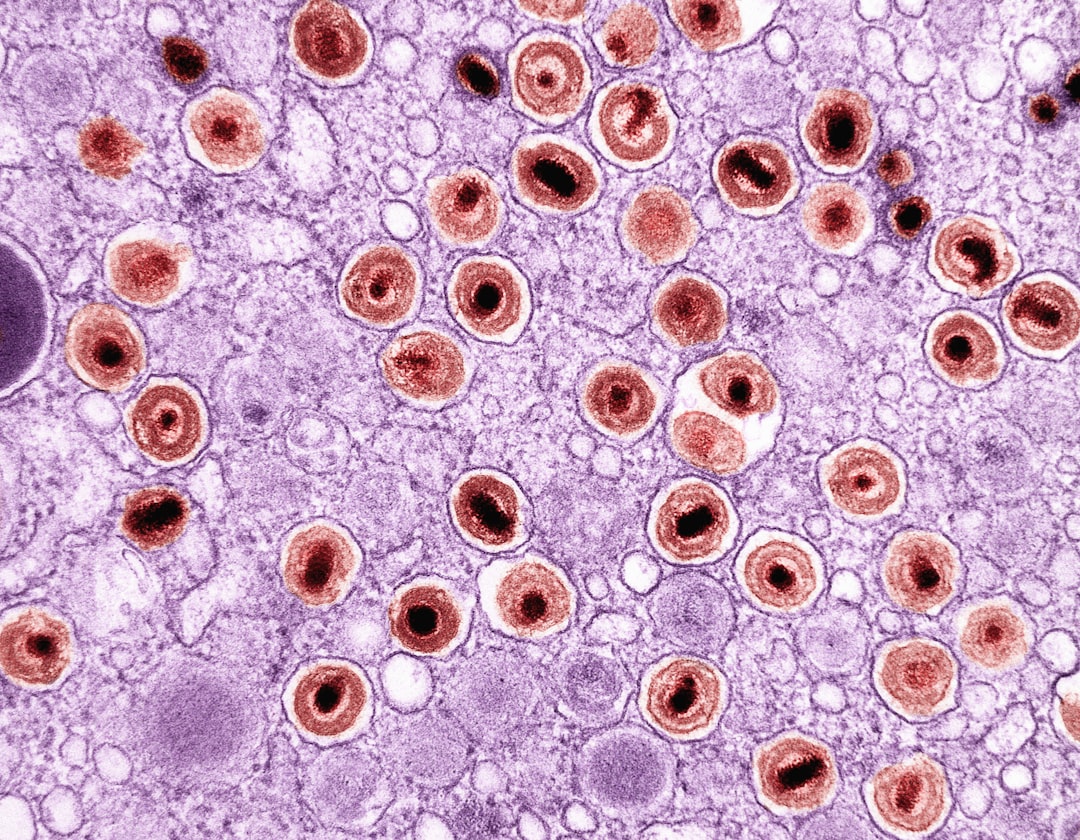
Dialysis is a medical treatment that uses a machine to filter waste products, excess water, and toxins from the blood when the kidneys are no longer functioning properly. There are two main types of dialysis: hemodialysis and peritoneal dialysis. Hemodialysis uses a machine to filter the blood outside the body, while peritoneal dialysis uses the peritoneum, a membrane in the abdomen, to filter the blood inside the body. Both types of dialysis are designed to mimic the natural function of the kidneys, helping to maintain a healthy balance of fluids, electrolytes, and waste products in the body.

The dialysis process typically involves several steps, including:

  • Preparation: The patient is prepared for dialysis by inserting a needle or catheter into the access site, which is usually located in the arm or chest.
  • Filtration: The dialysis machine filters the blood, removing waste products and excess fluids.
  • Monitoring: The patient’s vital signs, such as blood pressure and heart rate, are closely monitored during the treatment.
  • Completion: The treatment is completed, and the patient is disconnected from the machine.
  • Benefits and Risks of Dialysis

    Dialysis is a life-saving treatment that offers numerous benefits for patients with kidney disease. Some of the benefits of dialysis include:

  • Improved overall health: Dialysis helps to remove waste products and excess fluids from the blood, which can help to improve overall health and reduce the risk of complications.
  • Increased energy: By removing waste products and excess fluids, dialysis can help to increase energy levels and reduce fatigue.
  • Reduced risk of complications: Dialysis can help to reduce the risk of complications, such as heart disease, stroke, and kidney failure.
  • However, dialysis also carries some risks, including:

  • Infection: Dialysis patients are at risk of developing infections, particularly at the access site.
  • Blood clots: Dialysis patients are at risk of developing blood clots, which can be life-threatening.
  • Fatigue: Dialysis can be physically demanding, and patients may experience fatigue and weakness after treatment.
  • Lifestyle Changes and Self-Care for Dialysis Patients

    Living with dialysis requires significant lifestyle changes, including dietary restrictions, fluid management, and regular exercise. Some tips for dialysis patients include:

  • Eating a balanced diet: Dialysis patients need to follow a strict diet that is low in salt, phosphorus, and potassium.
  • Managing fluid intake: Dialysis patients need to limit their fluid intake to prevent excess fluid buildup in the body.
  • Exercising regularly: Regular exercise can help to improve overall health and reduce the risk of complications.
  • Getting enough rest: Dialysis patients need to get enough rest and avoid strenuous activities to help manage fatigue.
  • In addition to these lifestyle changes, dialysis patients can also benefit from self-care activities, such as:

  • Meditation and relaxation techniques: These can help to reduce stress and anxiety.
  • Support groups: Joining a support group can provide emotional support and connection with others who are going through similar experiences.
  • Hobbies and interests: Engaging in hobbies and interests can help to improve mental health and overall well-being.
  • Managing Dialysis-Related Complications and Emergencies

    Dialysis patients are at risk of developing complications, such as infections, blood clots, and cardiovascular disease. Some tips for managing these complications include:

  • Monitoring vital signs: Regularly monitoring vital signs, such as blood pressure and heart rate, can help to identify potential complications early.
  • Reporting symptoms: Reporting any symptoms or changes in condition to the healthcare team can help to prevent complications.
  • Following treatment plans: Adhering to treatment plans and taking medications as prescribed can help to manage complications.
  • In the event of an emergency, dialysis patients should:

  • Call 911 or seek immediate medical attention: If experiencing severe symptoms, such as chest pain or difficulty breathing, dialysis patients should seek immediate medical attention.
  • Contact the healthcare team: If experiencing any symptoms or changes in condition, dialysis patients should contact their healthcare team for guidance and support.
  • Conclusion and Key Takeaways

    Dialysis is a life-saving treatment that requires significant lifestyle changes and self-care. By understanding the process, benefits, and risks of dialysis, patients and caregivers can better navigate the journey of dialysis. Some key takeaways from this guide include:
  • Dialysis is a medical treatment that uses a machine to filter waste products from the blood when the kidneys are no longer functioning properly.
  • Dialysis offers numerous benefits, including improved overall health, increased energy, and reduced risk of complications.
  • Dialysis patients need to make significant lifestyle changes, including dietary restrictions, fluid management, and regular exercise.
  • Self-care activities, such as meditation and relaxation techniques, support groups, and hobbies, can help to improve mental health and overall well-being.
  • Dialysis patients are at risk of developing complications, such as infections, blood clots, and cardiovascular disease, and should monitor their vital signs, report symptoms, and follow treatment plans to manage these complications.

By following these tips and guidelines, dialysis patients can take control of their health and well-being, and live a full and active life despite their condition. Remember, dialysis is a journey, and with the right support, care, and self-management, patients can thrive and enjoy a high quality of life.

The Ultimate Guide to Vasectomy: Separating Fact from Fiction

Are you considering a vasectomy as a permanent birth control method? With over 500,000 men undergoing the procedure every year in the United States alone, it’s no wonder that vasectomy has become a popular topic of discussion. But despite its growing popularity, there are still many misconceptions surrounding this simple yet effective procedure. In this comprehensive guide, we’ll delve into the world of vasectomy, separating fact from fiction, and providing you with all the information you need to make an informed decision.

What is a Vasectomy and How Does it Work?

A vasectomy, also known as male sterilization, is a surgical procedure that involves cutting or blocking the vas deferens, the tubes that carry sperm from the testicles to the penis. By preventing sperm from mixing with semen, a vasectomy effectively prevents pregnancy. The procedure is usually performed under local anesthesia and takes about 15-30 minutes to complete. There are two types of vasectomy: traditional incisional vasectomy and no-scalpel vasectomy. The no-scalpel vasectomy, also known as a keyhole vasectomy, is a minimally invasive procedure that uses a small puncture to access the vas deferens, resulting in less bleeding, swelling, and discomfort.

It’s essential to note that a vasectomy is a permanent form of birth control, meaning that once the procedure is done, it’s irreversible. However, it’s also a highly effective method, with a success rate of over 99%. If you’re considering a vasectomy, it’s crucial to weigh the pros and cons, including the benefits of no longer having to worry about unintended pregnancy, as well as the potential risks and complications associated with the procedure. As with any surgical procedure, there are risks of infection, bleeding, and pain, but these are generally rare and temporary.

Benefits and Risks of Vasectomy

So, what are the benefits of having a vasectomy? For starters, it’s a highly effective method of birth control, with a low failure rate compared to other forms of contraception. It’s also a relatively simple procedure, with minimal downtime and discomfort. Additionally, a vasectomy can be a cost-effective option in the long run, as it eliminates the need for ongoing birth control methods such as condoms or pills. Many men also appreciate the freedom and peace of mind that comes with knowing they no longer have to worry about unintended pregnancy.

However, as with any surgical procedure, there are potential risks and complications to consider. These may include pain, swelling, and bruising at the surgery site, as well as infection, bleeding, or hematoma. In rare cases, men may experience chronic pain or inflammation, known as post-vasectomy pain syndrome (PVPS). It’s essential to discuss these potential risks with your doctor and carefully weigh the benefits and drawbacks before making a decision. It’s also important to note that a vasectomy does not protect against sexually transmitted infections (STIs), so it’s still crucial to practice safe sex.

What to Expect Before, During, and After a Vasectomy

If you’ve decided that a vasectomy is right for you, it’s essential to know what to expect before, during, and after the procedure. Before the surgery, you’ll typically need to undergo a consultation with your doctor to discuss your medical history, any medications you’re taking, and any concerns you may have. You may also need to stop taking certain medications, such as blood thinners, and avoid eating or drinking for a few hours before the procedure.

During the procedure, you’ll typically be given local anesthesia to numb the area, and your doctor will make a small incision or puncture to access the vas deferens. The procedure usually takes about 15-30 minutes to complete, and you may feel some discomfort or pressure, but this is generally mild. After the procedure, you can expect to experience some swelling, bruising, and discomfort, which can be managed with pain medication and rest.

It’s essential to follow your doctor’s instructions carefully after the procedure to ensure a smooth recovery. This may include avoiding heavy lifting, bending, or strenuous activity for a few days, as well as wearing supportive underwear to help reduce swelling. You’ll also need to use alternative forms of birth control until your doctor confirms that your semen is free of sperm, which can take several months. This is known as the “clearance process,” and it’s crucial to ensure that the procedure has been successful.

Vasectomy Reversal: What You Need to Know

While a vasectomy is considered a permanent form of birth control, it is possible to reverse the procedure in some cases. However, vasectomy reversal is a more complex and expensive procedure than the initial surgery, and it’s not always successful. The success of a vasectomy reversal depends on various factors, including the length of time since the original procedure, the age of the man, and the presence of any underlying fertility issues.

If you’re considering a vasectomy reversal, it’s essential to discuss your options with a qualified urologist or fertility specialist. They can help you understand the potential risks and benefits, as well as the likelihood of success. It’s also important to note that vasectomy reversal is not a guarantee of fertility, and you may still need to undergo additional fertility treatments, such as in vitro fertilization (IVF).

In conclusion, a vasectomy is a highly effective and relatively simple procedure that can provide peace of mind and freedom from unintended pregnancy. While it’s essential to carefully weigh the benefits and risks, a vasectomy can be a great option for men who have completed their families or are certain they do not want to father any more children. By understanding what to expect before, during, and after the procedure, as well as the potential risks and complications, you can make an informed decision that’s right for you. Remember to always consult with a qualified healthcare professional to discuss your individual needs and circumstances. With the right information and support, you can take control of your reproductive health and make a decision that’s right for you and your partner.

The Burning Truth: Understanding and Combating Urinary Tract Infections

Urinary tract infections (UTIs) are one of the most common bacterial infections affecting people of all ages, with over 150 million cases reported worldwide each year. If you’ve ever experienced the excruciating pain and discomfort of a UTI, you know how debilitating it can be. But what exactly is a UTI, and how can you prevent and treat it? In this comprehensive guide, we’ll delve into the world of UTIs, exploring their causes, symptoms, diagnosis, treatment options, and prevention strategies.

What is a Urinary Tract Infection?

A UTI occurs when bacteria, such as E. coli, enter the urinary system and cause an infection. The urinary system includes the kidneys, ureters, bladder, and urethra. UTIs can affect any part of the urinary system, but most commonly occur in the bladder (cystitis) and urethra (urethritis). Women are more prone to UTIs due to their shorter urethra, which allows bacteria to easily enter the bladder. However, men and children can also develop UTIs, especially if they have underlying medical conditions or use catheters.

The most common causes of UTIs include:

  • Bacterial infections (E. coli, Klebsiella, Pseudomonas)
  • Poor hygiene
  • Weakened immune system
  • Urinary tract abnormalities (kidney stones, bladder tumors)
  • Use of catheters or other medical devices
  • Sexual activity
  • Menopause (hormonal changes)
  • Symptoms and Diagnosis of UTIs

    Recognizing the symptoms of a UTI is crucial for prompt treatment and preventing complications. Common symptoms of a UTI include:

  • Burning sensation or pain while urinating (dysuria)
  • Frequent or urgent need to urinate (urinary frequency)
  • Cloudy, dark, or strong-smelling urine
  • Pelvic pain or discomfort
  • Fever and chills
  • Blood in the urine (hematuria)
  • If you’re experiencing any of these symptoms, it’s essential to consult a healthcare professional for proper diagnosis and treatment. Your doctor may perform the following tests to diagnose a UTI:

  • Urinalysis (examining urine for bacteria, blood, or other abnormalities)
  • Urine culture (identifying the type of bacteria causing the infection)
  • Imaging tests (ultrasound, CT scan, or MRI) to rule out underlying conditions
  • Treatment and Management of UTIs

    The primary goal of UTI treatment is to eliminate the infection and alleviate symptoms. Antibiotics are the most common treatment for UTIs, with the specific type and duration depending on the severity of the infection and the individual’s overall health. Your doctor may prescribe:

  • Oral antibiotics (trimethoprim-sulfamethoxazole, nitrofurantoin, or ciprofloxacin)
  • Intravenous antibiotics (for severe or complicated UTIs)
  • Pain relief medications (phenazopyridine or ibuprofen) to manage discomfort
  • In addition to medical treatment, there are several self-care strategies to help manage UTI symptoms and prevent future infections:

  • Drink plenty of water (at least 8-10 glasses a day) to help flush out bacteria
  • Urinate when you need to, rather than holding it in
  • Practice good hygiene (wiping from front to back, washing hands after using the bathroom)
  • Avoid using scented soaps, bubble baths, or douches, which can irritate the urethra
  • Wear loose, breathable clothing to reduce moisture and bacterial growth
  • Consider taking cranberry supplements or drinking cranberry juice to help prevent UTIs
  • Preventing UTIs and Maintaining Urinary Health

    Prevention is key when it comes to UTIs. By incorporating simple lifestyle changes and habits, you can reduce your risk of developing a UTI:

  • Stay hydrated: drinking enough water helps to flush out bacteria and maintain a healthy urinary system
  • Practice good hygiene: wash your hands after using the bathroom, and avoid touching your face or genital area
  • Avoid using catheters or other medical devices unless necessary
  • Get tested for UTIs if you experience symptoms or have a history of UTIs
  • Consider taking probiotics or eating probiotic-rich foods (yogurt, kefir) to support a healthy gut and immune system
  • Manage underlying medical conditions, such as diabetes or kidney disease, which can increase your risk of UTIs
  • Conclusion:

    Urinary tract infections are a common and uncomfortable condition that can affect anyone. By understanding the causes, symptoms, diagnosis, treatment options, and prevention strategies, you can take control of your urinary health and reduce your risk of developing a UTI. Remember to stay hydrated, practice good hygiene, and seek medical attention if you experience any symptoms of a UTI. With the right knowledge and self-care strategies, you can keep your urinary system healthy and strong, and say goodbye to the burning truth of UTIs. Key takeaways:

  • UTIs are bacterial infections that can affect any part of the urinary system
  • Women are more prone to UTIs due to their shorter urethra
  • Recognizing symptoms and seeking prompt treatment is crucial for preventing complications
  • Antibiotics are the primary treatment for UTIs, with self-care strategies and lifestyle changes playing a vital role in management and prevention
  • Staying hydrated, practicing good hygiene, and maintaining a healthy diet can help reduce the risk of UTIs and promote overall urinary health.

Unlock the Power of Your Core: The Ultimate Guide to Pelvic Floor Exercises

As we go about our daily lives, it’s easy to overlook one of the most crucial muscle groups in our body: the pelvic floor. Comprising a complex network of muscles, ligaments, and tissues, the pelvic floor plays a vital role in supporting our bladder, bowel, and reproductive organs. However, when these muscles become weakened or damaged, it can lead to a range of issues, from incontinence and pelvic pain to prolapse and sexual dysfunction. The good news is that pelvic floor exercises, also known as Kegel exercises, can help strengthen and tone these muscles, improving overall pelvic health and quality of life. In this comprehensive guide, we’ll delve into the world of pelvic floor exercises, exploring their benefits, techniques, and tips for incorporating them into your daily routine.

Understanding the Pelvic Floor and Its Importance

Before we dive into the nitty-gritty of pelvic floor exercises, it’s essential to understand the anatomy and function of this complex muscle group. The pelvic floor, also known as the pelvic diaphragm, is a bowl-shaped structure that supports the pelvic organs, including the bladder, uterus, and bowel. It comprises several layers of muscles, including the pubococcygeus muscle (PC muscle), the iliococcygeus muscle, and the puborectalis muscle. These muscles work together to maintain continence, facilitate bowel movements, and support the pelvic organs during activities like coughing, sneezing, and lifting.

Weakened or damaged pelvic floor muscles can lead to a range of issues, including:

  • Urinary incontinence: leakage of urine during coughing, sneezing, or laughing
  • Fecal incontinence: leakage of stool or gas
  • Pelvic organ prolapse: bulging of the pelvic organs into the vagina
  • Pelvic pain: discomfort or pain in the pelvic region
  • Sexual dysfunction: decreased libido, pain during intercourse, or difficulty achieving orgasm
  • Benefits of Pelvic Floor Exercises

    So, why are pelvic floor exercises so important? The benefits are numerous and well-documented. Regular pelvic floor exercises can:

  • Improve bladder control and reduce incontinence
  • Enhance bowel function and reduce constipation
  • Support pelvic organ health and reduce prolapse risk
  • Alleviate pelvic pain and discomfort
  • Boost sexual function and satisfaction
  • Support core stability and overall posture
  • In addition to these benefits, pelvic floor exercises are also low-cost, low-risk, and can be done anywhere, making them an accessible and convenient way to improve pelvic health.

    Techniques and Tips for Effective Pelvic Floor Exercises

    Now that we’ve explored the benefits of pelvic floor exercises, let’s dive into the techniques and tips for incorporating them into your daily routine. Here are some key takeaways:

  • Identify your pelvic floor muscles: To engage your pelvic floor muscles, imagine stopping the flow of urine mid-stream or squeezing your muscles as if you’re trying to hold in gas. This will help you locate the correct muscles.
  • Start with simple exercises: Begin with simple contractions, holding for 5-10 seconds and releasing for 10-15 seconds. Repeat for 10-15 repetitions.
  • Progress to more advanced exercises: As you build strength and control, progress to more advanced exercises like rapid contractions, slow releases, and pelvic tilts.
  • Incorporate exercises into daily activities: Try incorporating pelvic floor exercises into your daily routine, such as during brushing your teeth, waiting in line, or during commercial breaks while watching TV.
  • Use props and tools: Consider using props like Kegel balls, Ben Wa balls, or pelvic floor exercise devices to help engage your muscles and track progress.
  • Make it a habit: Aim to practice pelvic floor exercises at the same time every day, such as first thing in the morning or before bed, to make it a consistent habit.
  • Common Challenges and Solutions

    While pelvic floor exercises are generally safe and effective, some individuals may experience challenges or difficulties. Here are some common issues and solutions:

  • Difficulty identifying the muscles: If you’re having trouble locating your pelvic floor muscles, try practicing with a healthcare provider or using biofeedback techniques.
  • Pain or discomfort: If you experience pain or discomfort during pelvic floor exercises, stop immediately and consult with a healthcare provider.
  • Lack of motivation: To stay motivated, try tracking your progress, setting reminders, or exercising with a friend or partner.
  • Inconsistent practice: To make pelvic floor exercises a consistent habit, try incorporating them into your daily routine, such as during brushing your teeth or waiting in line.
  • Conclusion and Key Takeaways

    In conclusion, pelvic floor exercises are a powerful tool for improving pelvic health, reducing incontinence, and enhancing overall quality of life. By understanding the anatomy and function of the pelvic floor, incorporating effective techniques and tips, and overcoming common challenges, you can unlock the power of your core and experience the many benefits of pelvic floor exercises. Remember to:

  • Practice pelvic floor exercises regularly, ideally 2-3 times a day
  • Start with simple exercises and progress to more advanced techniques
  • Incorporate exercises into daily activities and make it a consistent habit
  • Use props and tools to help engage your muscles and track progress
  • Consult with a healthcare provider if you experience any pain, discomfort, or difficulties

By following these key takeaways and making pelvic floor exercises a priority, you can take the first step towards a stronger, healthier, and more confident you. So why wait? Start unlocking the power of your core today and experience the many benefits of pelvic floor exercises for yourself.

Waking Up to the Truth: Understanding and Managing Nocturia for a Better Night’s Sleep

Are you tired of waking up multiple times a night to use the bathroom? Do you feel like you’re stuck in a never-ending cycle of disrupted sleep and daytime fatigue? You’re not alone. Millions of people around the world suffer from nocturia, a condition characterized by excessive nighttime urination. But what if you could break free from this cycle and start sleeping through the night again? In this comprehensive guide, we’ll delve into the world of nocturia, exploring its causes, symptoms, and most importantly, its management. So, let’s dive in and discover the truth about nocturia.

What is Nocturia?

Nocturia is a common urological condition that affects people of all ages, although it’s more prevalent among older adults. It’s defined as the need to wake up at least twice during the night to void, resulting in disrupted sleep patterns and decreased quality of life. Nocturia can be caused by a variety of factors, including underlying medical conditions, lifestyle habits, and certain medications. Some of the most common causes of nocturia include:

  • Overproduction of urine at night (nocturnal polyuria)
  • Reduced bladder capacity
  • Sleep disorders, such as sleep apnea
  • Diabetes and other metabolic disorders
  • Certain medications, such as diuretics and sedatives
  • Hormonal changes, such as those experienced during pregnancy or menopause
  • Understanding the underlying cause of your nocturia is crucial in developing an effective management plan. If you’re experiencing nocturia, it’s essential to consult with your healthcare provider to rule out any underlying medical conditions that may be contributing to your symptoms.

    Managing Nocturia: Lifestyle Changes and Behavioral Modifications

    While nocturia can be a challenging condition to manage, there are several lifestyle changes and behavioral modifications that can help alleviate symptoms. Here are some actionable tips to get you started:

  • Limit fluid intake before bedtime: Try to avoid drinking fluids at least 2-3 hours before bedtime to reduce the need for nighttime urination.
  • Empty your bladder before bed: Make sure to use the bathroom right before bedtime to empty your bladder and reduce the likelihood of nocturia.
  • Avoid bladder irritants: Certain foods and drinks, such as caffeine, alcohol, and spicy foods, can irritate the bladder and worsen nocturia symptoms. Try to limit or avoid these substances altogether.
  • Practice good sleep hygiene: Establish a consistent sleep schedule, create a relaxing bedtime routine, and avoid screens and electronic devices before bedtime to promote better sleep.
  • Exercise regularly: Regular exercise can help improve overall health and reduce symptoms of nocturia. However, avoid exercising too close to bedtime, as this can actually worsen symptoms.
  • In addition to these lifestyle changes, there are several behavioral modifications that can help manage nocturia. These include:

  • Bladder training: This involves gradually increasing the amount of time between trips to the bathroom to help train the bladder to hold more urine.
  • Pelvic floor exercises: Strengthening the pelvic floor muscles through exercises like Kegels can help improve bladder control and reduce symptoms of nocturia.
  • Relaxation techniques: Stress and anxiety can exacerbate nocturia symptoms. Practicing relaxation techniques, such as deep breathing, meditation, or yoga, can help reduce stress and promote better sleep.
  • Medical Treatments for Nocturia

    In some cases, lifestyle changes and behavioral modifications may not be enough to manage nocturia symptoms. In these cases, medical treatments may be necessary. Here are some common medical treatments for nocturia:

  • Medications: Certain medications, such as desmopressin and anticholinergics, can help reduce nocturia symptoms by decreasing urine production or increasing bladder capacity.
  • Hormone replacement therapy: Hormonal changes, such as those experienced during menopause, can contribute to nocturia. Hormone replacement therapy may be prescribed to help alleviate symptoms.
  • Surgery: In some cases, surgery may be necessary to treat underlying conditions that are contributing to nocturia, such as an enlarged prostate or bladder obstruction.
  • It’s essential to work with your healthcare provider to determine the best course of treatment for your nocturia. They can help you develop a personalized treatment plan that takes into account your unique needs and medical history.

    Living with Nocturia: Tips for Coping and Managing Symptoms

    Living with nocturia can be challenging, but there are several tips and strategies that can help you cope and manage your symptoms. Here are a few:

  • Keep a voiding diary: Keeping track of your fluid intake and urination patterns can help you identify patterns and triggers that may be contributing to your nocturia.
  • Use protective garments: Wearing protective garments, such as adult diapers or pads, can help protect against accidents and reduce stress and anxiety.
  • Seek support: Nocturia can be a isolating condition, but it doesn’t have to be. Seek support from friends, family, or support groups to help you cope with your symptoms and stay connected with others.
  • Prioritize self-care: Taking care of your physical and emotional health is essential when living with nocturia. Make sure to prioritize self-care activities, such as exercise, meditation, and relaxation, to help manage stress and promote overall well-being.
  • In conclusion, nocturia is a common condition that can have a significant impact on quality of life. However, by understanding the causes and symptoms of nocturia, and by implementing lifestyle changes, behavioral modifications, and medical treatments, it is possible to manage symptoms and improve sleep quality. Remember, you don’t have to suffer in silence. By seeking help and support, you can take back control of your sleep and your life. Key takeaways include:

  • Nocturia is a common condition characterized by excessive nighttime urination
  • Lifestyle changes, such as limiting fluid intake and avoiding bladder irritants, can help alleviate symptoms
  • Behavioral modifications, such as bladder training and pelvic floor exercises, can help improve bladder control
  • Medical treatments, such as medications and surgery, may be necessary in some cases
  • Prioritizing self-care and seeking support can help you cope with nocturia and improve overall well-being.

Navigating the World of Urology: A Comprehensive Guide to Urologist Consultation

Are you experiencing discomfort or pain in your urinary tract, or perhaps struggling with erectile dysfunction? If so, you’re not alone. Millions of people worldwide suffer from urological issues, and seeking the expertise of a urologist can be a daunting task. However, with the right guidance, you can take control of your urological health and find relief from your symptoms. In this article, we’ll delve into the world of urology, exploring what to expect from a urologist consultation, how to prepare, and what treatments are available.

Understanding Urology and the Role of a Urologist

Urology is the branch of medicine that deals with the diagnosis, treatment, and management of disorders related to the urinary tract and male reproductive system. A urologist is a medical doctor who specializes in the treatment of urological conditions, such as kidney stones, bladder infections, prostate issues, and erectile dysfunction. Urologists use a combination of medical and surgical techniques to treat their patients, and they often work in conjunction with other healthcare professionals, such as primary care physicians and radiologists.

When to see a urologist? If you’re experiencing any of the following symptoms, it’s time to schedule a consultation:

  • Painful urination or frequent urination
  • Blood in the urine or semen
  • Difficulty starting or stopping the flow of urine
  • Weak or interrupted flow of urine
  • Painful ejaculation or erectile dysfunction
  • Recurring urinary tract infections (UTIs)
  • Preparing for a Urologist Consultation

    Before your consultation, it’s essential to prepare and gather all the necessary information. Here are some tips to help you make the most of your appointment:

  • Keep a symptom journal: Write down your symptoms, including when they occur, how long they last, and any factors that trigger or relieve them.
  • Gather medical records: Collect any relevant medical records, including test results, imaging studies, and medication lists.
  • Write down questions: Prepare a list of questions to ask your urologist, such as “What are my treatment options?” or “What are the potential risks and benefits of surgery?”
  • Bring a support person: Having a friend or family member with you can provide emotional support and help you remember important details.
  • During the consultation, your urologist will likely:

  • Perform a physical exam: This may include a rectal exam, urine test, or other diagnostic procedures.
  • Take a medical history: Your urologist will ask questions about your symptoms, medical history, and lifestyle habits.
  • Order diagnostic tests: Depending on your symptoms, your urologist may order imaging studies, such as a CT scan or ultrasound, or laboratory tests, such as a urine culture or blood work.
  • Diagnostic Tests and Treatment Options

    Urologists use a range of diagnostic tests to diagnose and manage urological conditions. Some common tests include:

  • Urine analysis: A urine test can help diagnose UTIs, kidney stones, or other conditions.
  • Imaging studies: CT scans, ultrasounds, or MRIs can help visualize the urinary tract and identify any abnormalities.
  • Cystoscopy: This procedure involves inserting a flexible tube with a camera into the bladder to visualize the inside of the bladder and urethra.
  • Once a diagnosis is made, your urologist will discuss treatment options with you. These may include:

  • Medications: Antibiotics, pain relievers, or hormone therapies may be prescribed to manage symptoms.
  • Surgery: Minimally invasive procedures, such as laparoscopy or robotic surgery, may be used to treat conditions like kidney stones or prostate cancer.
  • Lifestyle changes: Your urologist may recommend dietary changes, exercise, or stress management techniques to help manage symptoms.
  • Managing Urological Conditions and Preventing Complications

    While some urological conditions can’t be prevented, there are steps you can take to reduce your risk and manage symptoms. Here are some tips:

  • Stay hydrated: Drinking plenty of water can help flush out bacteria and prevent UTIs.
  • Practice good hygiene: Wipe from front to back, avoid using scented soaps or bubble baths, and wear loose-fitting clothing to reduce irritation.
  • Exercise regularly: Regular physical activity can help improve bladder control and reduce the risk of prostate cancer.
  • Quit smoking: Smoking can increase the risk of bladder cancer and other urological conditions.
  • By taking an active role in your urological health, you can reduce your risk of complications and improve your overall quality of life. Remember to schedule regular check-ups with your urologist and follow their recommendations for treatment and prevention.

    In conclusion, a urologist consultation is an essential step in managing urological conditions and preventing complications. By understanding what to expect, preparing for your appointment, and following your urologist’s recommendations, you can take control of your urological health and find relief from your symptoms. Remember to stay informed, ask questions, and prioritize your health. Key takeaways include:

  • Urologists specialize in the diagnosis, treatment, and management of urological conditions.
  • Preparing for a consultation involves keeping a symptom journal, gathering medical records, and writing down questions.
  • Diagnostic tests, such as urine analysis and imaging studies, can help diagnose and manage urological conditions.
  • Treatment options may include medications, surgery, or lifestyle changes.
  • Managing urological conditions and preventing complications involves staying hydrated, practicing good hygiene, exercising regularly, and quitting smoking.

By following these tips and prioritizing your urological health, you can reduce your risk of complications and improve your overall quality of life. Don’t hesitate to schedule a consultation with a urologist if you’re experiencing symptoms or have concerns about your urological health.

The Silent Killer: Understanding Kidney Disease and How to Protect Your Renal Health

Are you aware that your kidneys are working tirelessly behind the scenes to keep you alive? These two small organs, about the size of a fist, filter waste and excess fluids from your blood, regulate blood pressure, and maintain electrolyte balance. But what happens when they start to fail? Kidney disease, also known as renal disease, is a silent killer that affects millions of people worldwide, often without any noticeable symptoms until it’s too late. In this comprehensive guide, we’ll delve into the world of kidney disease, exploring its causes, symptoms, types, and most importantly, how to protect your renal health.

What is Kidney Disease?

Kidney disease, also known as nephropathy, occurs when your kidneys are damaged and can’t filter waste and excess fluids from your blood effectively. This can lead to a buildup of toxins, causing a range of complications, including high blood pressure, anemia, bone disease, and even heart disease. Kidney disease can be acute or chronic, with acute kidney injury (AKI) being a sudden loss of kidney function, while chronic kidney disease (CKD) is a gradual loss of kidney function over time. According to the National Kidney Foundation, over 30 million Americans have CKD, and millions more are at risk.

Causes and Risk Factors of Kidney Disease

So, what causes kidney disease? The answer is complex, as it can be triggered by a combination of factors, including:

  • Diabetes: High blood sugar levels can damage your kidneys over time, making diabetes the leading cause of kidney disease.
  • High blood pressure: Uncontrolled hypertension can put extra strain on your kidneys, leading to damage and disease.
  • Family history: If you have a family history of kidney disease, you’re more likely to develop the condition.
  • Age: As you get older, your kidneys naturally lose some of their function, making you more susceptible to disease.
  • Obesity: Being overweight or obese can increase your risk of developing kidney disease.
  • Smoking: Smoking can damage your kidneys and increase your risk of disease.
  • Symptoms and Diagnosis of Kidney Disease

    In the early stages, kidney disease often doesn’t present any noticeable symptoms, making it a silent killer. However, as the disease progresses, you may experience:

  • Fatigue: Feeling tired or weak due to a buildup of toxins in your blood.
  • Swelling: Fluid retention in your feet, ankles, and hands.
  • Nausea and vomiting: As your kidneys fail to filter waste, you may feel queasy or vomit.
  • Muscle cramps: Electrolyte imbalances can cause muscle cramps, spasms, and weakness.
  • Blood in urine: Hematuria, or blood in your urine, can be a sign of kidney disease.
  • If you’re experiencing any of these symptoms, it’s essential to consult with your doctor, who may perform the following tests to diagnose kidney disease:

  • Blood tests: To check your waste product levels, such as creatinine and urea.
  • Urine tests: To check for protein, blood, and other abnormalities in your urine.
  • Imaging tests: Such as ultrasound or CT scans to visualize your kidneys and check for any damage.
  • Protecting Your Renal Health

    The good news is that kidney disease can often be prevented or managed with lifestyle changes and medical treatment. Here are some actionable tips to protect your renal health:

  • Stay hydrated: Drink plenty of water to help your kidneys function properly.
  • Eat a balanced diet: Focus on whole, unprocessed foods, such as fruits, vegetables, whole grains, and lean proteins.
  • Exercise regularly: Regular physical activity can help manage blood pressure and reduce your risk of kidney disease.
  • Don’t smoke: Quit smoking to reduce your risk of kidney disease and other health problems.
  • Monitor your blood pressure: Work with your doctor to manage your blood pressure and reduce your risk of kidney disease.
  • Get regular check-ups: Regular health check-ups can help detect kidney disease early, when it’s easier to treat.
  • In conclusion, kidney disease is a serious health condition that can have devastating consequences if left untreated. By understanding the causes, symptoms, and risk factors, you can take proactive steps to protect your renal health. Remember, prevention is key, and by making lifestyle changes and working with your doctor, you can reduce your risk of kidney disease and maintain optimal kidney function. Key takeaways include:

  • Kidney disease is a silent killer that can be prevented or managed with lifestyle changes and medical treatment.
  • Diabetes, high blood pressure, family history, age, obesity, and smoking are all risk factors for kidney disease.
  • Early detection and treatment can make a significant difference in preventing kidney disease progression.
  • A balanced diet, regular exercise, staying hydrated, and not smoking can help protect your renal health.

By being informed and taking action, you can safeguard your kidney health and reduce your risk of developing kidney disease. Don’t wait until it’s too late – take control of your health today and prioritize your renal well-being.

Understanding Benign Prostatic Hyperplasia: Symptoms, Diagnosis, and Treatment Options

Are you one of the millions of men over the age of 50 experiencing urinary problems, such as frequent urination, weak urine flow, or difficulty starting to urinate? You’re not alone. Benign prostatic hyperplasia (BPH), also known as an enlarged prostate, is a common condition that affects many men as they age. In fact, it’s estimated that over 50% of men between the ages of 51 and 60 have BPH, and this number increases to over 90% by the age of 80. But what exactly is BPH, and how can you manage its symptoms? In this comprehensive guide, we’ll delve into the world of benign prostatic hyperplasia, exploring its symptoms, diagnosis, treatment options, and lifestyle changes that can help alleviate its effects.

What is Benign Prostatic Hyperplasia?

Benign prostatic hyperplasia is a non-cancerous enlargement of the prostate gland, which is a small, walnut-sized gland located just below the bladder in men. The prostate gland plays a crucial role in the male reproductive system, producing fluids that make up semen and helping to regulate urine flow. As men age, the prostate gland can become enlarged, putting pressure on the urethra and causing a range of urinary symptoms. BPH is not cancer, and it’s not a sign of prostate cancer, but it can still significantly impact a man’s quality of life. The exact cause of BPH is still unknown, but it’s thought to be linked to hormonal changes, aging, and genetics.

Symptoms and Diagnosis of Benign Prostatic Hyperplasia

The symptoms of BPH can vary from man to man, but common signs include:

  • Frequent urination, especially at night
  • Weak or interrupted urine flow
  • Difficulty starting to urinate
  • Painful or burning urination
  • Urinary retention, or the inability to fully empty the bladder
  • Blood in the urine
  • If you’re experiencing any of these symptoms, it’s essential to consult with your doctor or a urologist to determine the underlying cause. To diagnose BPH, your doctor will typically perform a physical exam, including a digital rectal exam (DRE), and may order additional tests, such as:

  • Urine flow rate test
  • Post-void residual (PVR) test
  • Prostate-specific antigen (PSA) test
  • Ultrasound or imaging tests
  • These tests can help confirm the presence of BPH and rule out other conditions, such as prostate cancer or urinary tract infections.

    Treatment Options for Benign Prostatic Hyperplasia

    The good news is that there are many effective treatment options available for BPH, ranging from lifestyle changes to medications and surgical procedures. The best course of treatment will depend on the severity of your symptoms, your overall health, and your personal preferences. Here are some common treatment options:

  • Lifestyle changes: Making simple changes to your daily routine can help alleviate BPH symptoms. These include:
  • + Practicing good bladder habits, such as urinating when you first feel the need
    + Avoiding caffeine and alcohol, which can irritate the bladder
    + Staying physically active, which can help improve urine flow
    + Managing stress, which can exacerbate BPH symptoms

  • Medications: Your doctor may prescribe medications to help manage BPH symptoms. These include:
  • + Alpha-blockers, which relax the muscles in the prostate and bladder neck
    + 5-alpha-reductase inhibitors, which shrink the prostate gland
    + Phosphodiesterase-5 inhibitors, which can help improve urine flow

  • Surgical procedures: In some cases, surgical procedures may be necessary to relieve BPH symptoms. These include:
  • + Transurethral resection of the prostate (TURP)
    + Transurethral incision of the prostate (TUIP)
    + Laser surgery
    + Prostatectomy (removal of the prostate gland)

    Managing Benign Prostatic Hyperplasia with Alternative Therapies

    In addition to conventional treatments, some alternative therapies may help alleviate BPH symptoms. These include:

  • Herbal supplements: Certain herbal supplements, such as saw palmetto, pygeum, and pumpkin seed, may help reduce BPH symptoms. However, it’s essential to consult with your doctor before taking any supplements, as they can interact with other medications.
  • Acupuncture: This ancient practice involves inserting thin needles into specific points on the body to stimulate healing and relaxation. Some studies suggest that acupuncture may help improve BPH symptoms, but more research is needed to confirm its effectiveness.
  • Dietary changes: Eating a balanced diet rich in fruits, vegetables, and whole grains may help reduce BPH symptoms. Some foods, such as tomatoes, bell peppers, and leafy greens, are high in lycopene, an antioxidant that may help shrink the prostate gland.
  • In conclusion, benign prostatic hyperplasia is a common condition that affects many men as they age. While its symptoms can be uncomfortable and inconvenient, there are many effective treatment options available. By understanding the causes and symptoms of BPH, you can take the first step towards managing its effects and improving your overall quality of life. Remember to consult with your doctor or a urologist to determine the best course of treatment for your specific needs. With the right treatment and lifestyle changes, you can alleviate BPH symptoms and enjoy a healthier, more active life.

    Key takeaways:

  • BPH is a non-cancerous enlargement of the prostate gland that affects many men over the age of 50.
  • Symptoms of BPH include frequent urination, weak urine flow, and difficulty starting to urinate.
  • Diagnosis involves a physical exam, urine tests, and imaging tests.
  • Treatment options range from lifestyle changes to medications and surgical procedures.
  • Alternative therapies, such as herbal supplements and acupuncture, may also help alleviate BPH symptoms.
  • A balanced diet and regular exercise can help reduce BPH symptoms and improve overall health.

By following these tips and consulting with your healthcare provider, you can take control of your BPH symptoms and enjoy a healthier, more active life.