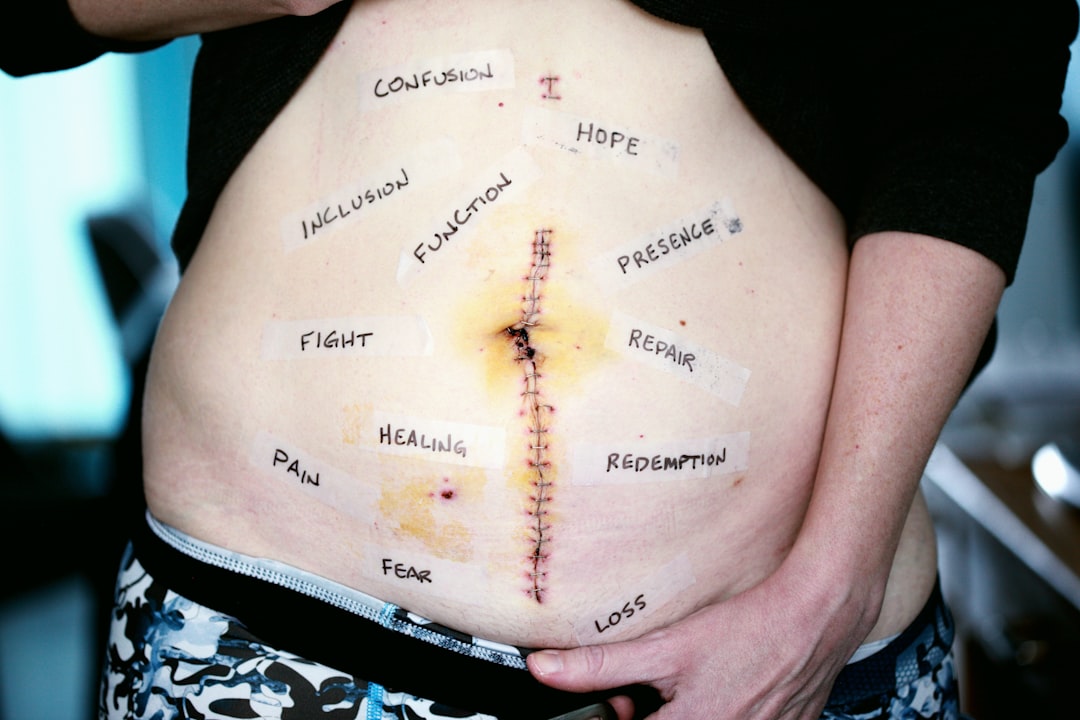
Are you considering a vasectomy as a permanent birth control method? With over 500,000 vasectomies performed in the United States alone each year, it’s no wonder that many men are turning to this procedure as a reliable way to take control of their family planning. But despite its popularity, there are still many misconceptions surrounding vasectomy. In this comprehensive guide, we’ll delve into the world of vasectomy, exploring the benefits, risks, and what to expect from this life-changing procedure.
What is a Vasectomy and How Does it Work?
A vasectomy, also known as male sterilization, is a surgical procedure that involves cutting or blocking the vas deferens, the tubes that carry sperm from the testicles to the penis. This prevents sperm from being released during ejaculation, effectively preventing pregnancy. The procedure is typically performed under local anesthesia and takes around 15-30 minutes to complete. There are two main types of vasectomy: traditional incisional vasectomy and no-scalpel vasectomy. The no-scalpel method, also known as a keyhole vasectomy, is a more modern approach that uses a specialized instrument to make a small puncture in the skin, rather than an incision. This method is often preferred as it reduces the risk of complications and promotes faster healing.
Benefits and Advantages of Vasectomy
So, why are so many men opting for vasectomy? The benefits are numerous, and it’s easy to see why this procedure has become a popular choice for those looking for a permanent birth control solution. Some of the advantages of vasectomy include:
- High effectiveness: Vasectomy is over 99% effective in preventing pregnancy, making it one of the most reliable forms of birth control available.
- Low risk of complications: When performed by an experienced doctor, the risk of complications from vasectomy is extremely low.
- Minimally invasive: The procedure is relatively quick and easy, with most men returning to their normal activities within a few days.
- No impact on sex drive or libido: Vasectomy does not affect a man’s sex drive or ability to achieve an erection.
- Cost-effective: While the initial cost of vasectomy may seem high, it’s a one-time payment that can save you money in the long run, especially when compared to the ongoing costs of other birth control methods.
- Before the procedure: Your doctor will discuss the risks and benefits of vasectomy with you, and answer any questions you may have. You’ll also need to sign a consent form and undergo a physical examination to ensure you’re a suitable candidate for the procedure.
- During the procedure: You’ll be given local anesthesia to numb the area, and your doctor will perform the vasectomy using either the incisional or no-scalpel method.
- After the procedure: You may experience some discomfort, swelling, or bruising in the affected area, but this should subside within a few days. You’ll need to avoid heavy lifting, bending, or strenuous activities for 1-2 weeks, and use a condom or other form of birth control until your doctor confirms that your semen is free of sperm.
- Infection: As with any surgical procedure, there’s a small risk of infection with vasectomy.
- Bleeding or hematoma: Excessive bleeding or the formation of a blood clot (hematoma) can occur, but this is rare.
- Sperm granuloma: A lump or swelling can form at the site of the vasectomy, which can be painful and may require further treatment.
- Vasectomy failure: In rare cases, the vasectomy may not be successful, and pregnancy can still occur.
- Vasectomy is a highly effective form of birth control, with a success rate of over 99%.
- The procedure is relatively quick and easy, with most men returning to their normal activities within a few days.
- Vasectomy does not affect a man’s sex drive or ability to achieve an erection.
- While there are some risks and complications to be aware of, these are relatively rare and can be minimized by choosing an experienced doctor.
- Vasectomy is a cost-effective solution for those looking for a permanent birth control method.
What to Expect Before, During, and After Vasectomy
If you’re considering vasectomy, it’s essential to know what to expect from the procedure. Here’s a step-by-step guide to help you prepare:
Risks and Complications of Vasectomy
While vasectomy is generally a safe procedure, as with any surgical operation, there are some risks and complications to be aware of. These include:
Conclusion and Key Takeaways
Vasectomy is a safe, effective, and reliable form of permanent birth control that’s suitable for many men. While it’s essential to be aware of the potential risks and complications, the benefits of vasectomy far outweigh the drawbacks. If you’re considering vasectomy, here are the key takeaways to keep in mind:
By understanding the facts and fiction surrounding vasectomy, you can make an informed decision about whether this procedure is right for you. Remember to consult with a qualified doctor to discuss your individual needs and determine the best course of action for your reproductive health. With the right information and guidance, you can take control of your family planning and enjoy the peace of mind that comes with knowing you’ve made a responsible choice.