

—
Introduction – Why This Topic Matters
Imagine being at a family gathering, a work meeting, or even just taking a walk in the park, and suddenly you feel that unmistakable urge to run to the bathroom. For millions of people worldwide, that scenario isn’t just an occasional inconvenience—it’s a daily reality. Urinary incontinence (UI) affects about 25 % of adults at some point in their lives, and the numbers climb dramatically with age. Yet, despite its prevalence, many still feel embarrassed to talk about it, leading to missed diagnoses, untreated symptoms, and a reduced quality of life.
In this comprehensive guide we will:
1. Define urinary incontinence and clarify the anatomy that makes continence possible.
2. Break down the major types of UI and explain how to recognize each one.
3. Examine the wide‑range of causes—from lifestyle habits to medical conditions.
4. Offer concrete, evidence‑based strategies you can start using today, whether you prefer natural approaches, pelvic‑floor training, or medical interventions.
5. Provide tips for caregivers and loved ones who want to support someone dealing with UI.
Whether you’re experiencing UI yourself, caring for a loved one, or simply want to broaden your health knowledge, this post is your one‑stop resource for reclaiming confidence and comfort.
—
1. What Is Urinary Incontinence?
1.1 Definition and Basic Anatomy
Urinary incontinence is the involuntary loss of urine. It occurs when the bladder’s storage or emptying mechanisms fail to work in harmony. To understand why, let’s quickly review bladder anatomy:
| Structure | Role |
|———–|——|
| Bladder | A muscular sac that stores urine. |
| Urethra | The tube that carries urine out of the body. |
| Internal sphincter | A smooth‑muscle ring that stays closed to keep urine in while the bladder fills. |
| External sphincter | A voluntary skeletal‑muscle ring that you can consciously contract to stop flow. |
| Pelvic floor muscles | A hammock of muscles (levator ani, coccygeus, etc.) that support the bladder and urethra and help maintain pressure balance. |
| Nerves (pelvic, pudendal, hypogastric) | Carry signals that tell the bladder when it is full and coordinate muscle contractions. |
When any of these components malfunction—whether due to weakened muscles, nerve damage, or structural changes—leakage can happen.
1.2 Types of Urinary Incontinence
| Type | Key Characteristics | Typical Triggers |
|——|———————-|——————|
| Stress Incontinence | Leakage during activities that increase abdominal pressure (coughing, sneezing, lifting). | Physical exertion, laughing, heavy lifting. |
| Urge Incontinence (Overactive Bladder) | Sudden, intense urge to urinate followed by involuntary loss. | Bladder muscle overactivity, neurological issues. |
| Mixed Incontinence | Combination of stress and urge symptoms. | Often seen in older adults; may have both triggers. |
| Overflow Incontinence | Constant dribbling due to incomplete bladder emptying. | Enlarged prostate, nerve damage, bladder obstruction. |
| Functional Incontinence | Leakage because a person cannot reach the bathroom in time. | Mobility limitations, cognitive impairment, severe vision loss. |
| Reflex (Neurogenic) Incontinence | Involuntary loss without warning, often due to spinal cord injury or multiple sclerosis. | Neurological disease, spinal trauma. |
Understanding your specific type is the first step toward effective treatment. A simple bladder diary—recording fluid intake, voiding times, and any leakage episodes for three days—can help clinicians pinpoint the pattern.
1.3 Who Is Affected?
| Population | Approximate Prevalence | Common Contributing Factors |
|————|————————|—————————–|
| Women | Up to 35 % experience stress incontinence, especially after childbirth or menopause. | Pregnancy, vaginal delivery, estrogen decline. |
| Men | About 10 % develop UI, often linked to prostate issues. | Benign prostatic hyperplasia (BPH), prostate surgery. |
| Older Adults | Prevalence rises to 50 % in those over 80. | Muscle weakening, neurological disease, polypharmacy. |
| Children | Bedwetting (nocturnal enuresis) affects up to 15 % of school‑age kids. | Developmental delay, deep sleep patterns. |
| People with Chronic Conditions | Diabetes, multiple sclerosis, stroke, and Parkinson’s disease increase risk two‑ to three‑fold. | Nerve damage, reduced bladder sensation. |
—
2. Root Causes – Why Incontinence Happens
2.1 Lifestyle Factors
| Factor | How It Contributes | Practical Tips |
|——–|——————-|—————-|
| Caffeine & Alcohol | Irritate bladder lining, increase urine production. | Limit to ≤2 cups of coffee/tea and ≤1 alcoholic drink per day; replace with water or herbal tea. |
| Obesity | Extra abdominal pressure stresses pelvic floor and sphincters. | Aim for a BMI < 25; incorporate 150 min of moderate‑intensity aerobic activity weekly plus strength training. |
| Smoking | Chronic cough repeatedly strains pelvic floor; nicotine irritates bladder. | Seek cessation programs; nicotine replacement or counseling. |
| Fluid Over‑Hydration | Too much fluid can overwhelm bladder capacity, especially if intake is clustered. | Spread fluid consumption evenly across the day; avoid large volumes within 2 h of bedtime. |
| Constipation | Hard stools press against the bladder and weaken pelvic floor over time. | Increase fiber (25–30 g/day), stay hydrated, and consider a gentle stool softener if needed. |
2.2 Medical and Physiological Causes
1. Pelvic Floor Weakness – Often follows childbirth, prostate surgery, or age‑related muscle loss.
2. Neurological Disorders – Stroke, Parkinson’s disease, multiple sclerosis, and spinal cord injury can disrupt the signaling that coordinates bladder filling and emptying.
3. Hormonal Changes – Decreased estrogen after menopause thins the urethral lining, reducing closure pressure.
4. Prostate Enlargement (BPH) – In men, an enlarged prostate can block urine flow, leading to overflow incontinence.
5. Urinary Tract Infections (UTIs) – Irritate the bladder wall, causing urgency and occasional leakage.
6. Medications – Diuretics, antihistamines, antidepressants, and some blood pressure drugs can affect bladder control.
A thorough medical evaluation—including physical exam, urine analysis, post‑void residual measurement, and possibly urodynamic testing—helps identify the underlying cause.
2.3 Psychological and Environmental Influences
- Stress and Anxiety can heighten the perception of urgency.
- Inadequate Access to Toilets (e.g., in workplaces or public venues) may force a person to “hold it,” weakening the bladder over time.
- Social Stigma often leads individuals to hide symptoms, delaying treatment.
- What It Is: Systematic exercises (often called Kegels) that strengthen the levator ani and related muscles.
- Effectiveness: Clinical trials show up to 70 % improvement in stress incontinence after 12 weeks of supervised PFMT.
- How to Start:
- Bladder Training: Gradually increase the interval between bathroom visits, teaching the bladder to store more urine.
- Double Voiding: After finishing, wait a few minutes and try again to empty residual urine.
- Prompted Voiding: For functional incontinence, caregivers can set regular reminders to assist the individual in reaching the toilet.
- Pessary (for women) – A silicone device placed in the vagina to support the urethra, especially useful for stress incontinence.
- Urethral Inserts (e.g., UreFit) – Small, disposable plugs that temporarily compress the urethra during activities.
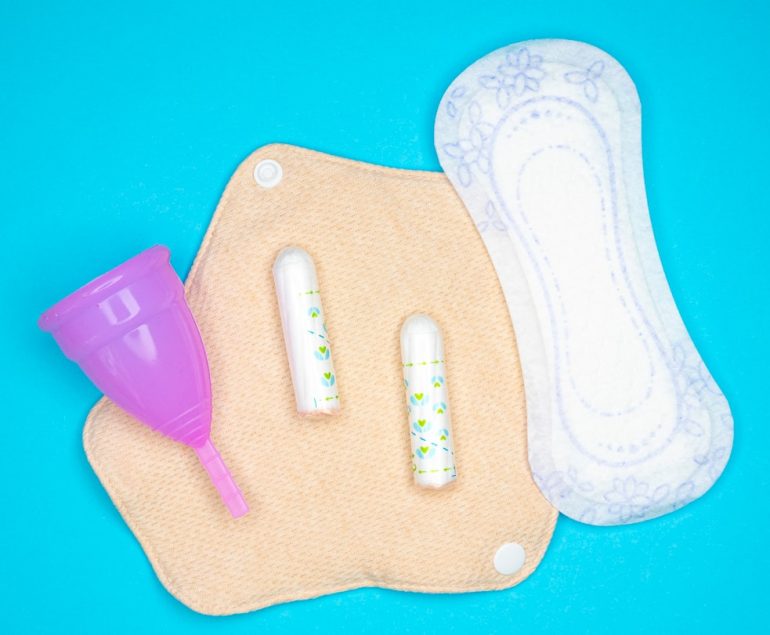
- Absorbent Pads & Protective Garments – Modern products are thin, odor‑controlling, and skin‑friendly; they can provide confidence while other treatments take effect.
- Catheters – Intermittent self‑catheterization may be required for chronic overflow incontinence, but carries infection risk and should be taught by a nurse.
- Risk Factors: Vaginal delivery, large baby, prolonged second stage, episiotomy.
- Interventions: Begin PFMT within the first few weeks postpartum; attend a postpartum pelvic‑floor class; consider a pessary if leakage persists beyond 6 months.
- Risk: Up to 30 % develop stress incontinence after radical prostatectomy.
- Management: Early PFMT (starting 2 weeks post‑op), use of a male sling or artificial sphincter if no improvement after 12 months.
- Challenge: Functional incontinence due to forgetting to void.
- Solutions: Scheduled toileting, visual cues (signage, brightly colored bathroom doors), and adaptive equipment like raised toilet seats.
- Approach: Encourage regular daytime voiding, limit evening fluids, and use a moisture alarm that wakes the child at the first sign of a wet diaper. Most outgrow the condition by age 12.
- Leakage occurs more than once a week or interferes with daily activities.
- You experience pain, burning, or blood in urine (possible infection or stones).
- There is a sudden change in urinary pattern after a fall, surgery, or new medication.
- You notice a feeling of incomplete emptying, weak stream, or dribbling.
—
3. Diagnosis – Getting the Right Answers
1. Medical History & Symptom Questionnaire – Details about onset, frequency, triggers, and impact on daily life.
2. Bladder Diary – As mentioned, a 3‑day log of fluid intake, voiding times, and leakage episodes.
3. Physical Examination – Includes pelvic exam for women and prostate exam for men.
4. Urinalysis – Rules out infection, blood, or glucose that could explain symptoms.
5. Post‑Void Residual (PVR) Scan – Ultrasound measurement of urine left in the bladder after voiding; high PVR suggests overflow or obstruction.
6. Urodynamic Studies (when needed) – Assess bladder pressure, capacity, and sphincter function.
Early, accurate diagnosis shortens the path to effective treatment and prevents complications such as skin breakdown or recurrent UTIs.
—
4. Treatment Options – From Simple Tweaks to Advanced Therapies
4.1 Lifestyle Modifications (First‑Line)
| Action | Expected Benefit | How to Implement |
|——–|——————|——————|
| Timed Voiding | Reduces urgency episodes by training bladder to hold urine longer. | Set a schedule (e.g., every 2–3 h) and gradually extend intervals. |
| Fluid Management | Balances hydration while avoiding over‑loading the bladder. | Aim for 1.5–2 L/day; avoid large drinks before bedtime. |
| Weight Loss | Lowers intra‑abdominal pressure, improving pelvic floor support. | Combine diet (Mediterranean style) with regular exercise. |
| Dietary Adjustments | Cuts irritants that trigger urgency. | Reduce citrus, spicy foods, artificial sweeteners, and carbonated drinks. |
| Smoking Cessation | Eliminates chronic cough and nicotine irritation. | Use quit‑lines, apps, or nicotine replacement therapy. |
4.2 Pelvic Floor Muscle Training (PFMT)
1. Locate the Muscles – Try stopping urine flow mid‑stream (do this only for learning, not as a regular exercise).
2. Contract & Hold – Squeeze for 5 seconds, then relax for 5 seconds. Aim for 10 repetitions, three times daily.
3. Progress – Increase hold time to 10 seconds, add quick “pulse” contractions (10 rapid squeezes).
4. Professional Guidance – A pelvic‑floor physiotherapist can provide biofeedback, ensuring you’re using the correct muscles.
4.3 Behavioral Therapies
4.4 Medications
| Medication Class | Typical Use | Common Side Effects |
|——————|————|———————|
| Antimuscarinics (oxybutynin, tolterodine) | Urge incontinence, overactive bladder | Dry mouth, constipation, blurred vision |
| β‑3 Agonists (mirabegron) | Urge incontinence (alternative to antimuscarinics) | Hypertension, nasopharyngitis |
| Topical Estrogen (cream, ring) | Post‑menopausal stress incontinence | Vaginal irritation, rare systemic effects |
| Alpha‑Blockers (tamsulosin) | Male BPH‑related overflow | Dizziness, retrograde ejaculation |
| 5‑Alpha Reductase Inhibitors (finasteride) | Reduce prostate size in BPH | Decreased libido, erectile dysfunction |
Medication choice depends on type of UI, comorbidities, and patient preference. Always discuss potential interactions with your primary care provider.
4.5 Devices and Mechanical Aids
4.6 Surgical Options (When Conservative Measures Fail)
| Procedure | Indication | Success Rate | Key Considerations |
|———–|————|————–|——————–|
| Mid‑Urethral Sling | Stress incontinence (women) | 80–90 % long‑term cure | Minimally invasive; may cause urinary retention. |
| Artificial Urinary Sphincter | Severe male stress incontinence post‑prostatectomy | 70–80 % satisfaction | Requires manual activation; risk of mechanical failure. |
| Botox Injections (detrusor muscle) | Refractory urge incontinence | 60–70 % reduction in episodes | Effects last 6–9 months; may cause temporary urinary retention. |
| Sacral Neuromodulation | Mixed or urge incontinence unresponsive to meds | 70 % improvement | Implantable device; requires trial phase. |
| Prostate Surgery (TURP, HoLEP) | Male obstruction causing overflow | 85 % symptom relief | May affect sexual function; discuss with urologist. |
Surgery is usually considered after a trial of behavioral, pharmacologic, and device therapies, and after thorough counseling about risks and benefits.
—
5. Everyday Tips for Managing Incontinence
1. Plan Ahead – Know the locations of restrooms at work, malls, and when traveling. Keep a small “incontinence kit” in your bag (pad, wipes, spare underwear).
2. Dress Smart – Choose breathable, moisture‑wicking fabrics; avoid tight waistbands that increase abdominal pressure.
3. Stay Active – Low‑impact activities like walking, swimming, or yoga improve pelvic circulation without over‑straining the bladder.
4. Practice Good Toileting Habits – Sit with feet flat, relax the pelvic floor, and allow complete emptying.
5. Maintain Skin Health – Cleanse gently, pat dry, and apply barrier creams (zinc oxide or dimethicone) after episodes to prevent dermatitis.
6. Use Technology – Smartphone apps can remind you to void, track fluid intake, and log leakage episodes for discussion with your clinician.
7. Educate Family & Caregivers – Explain the condition calmly, involve them in bladder training schedules, and ensure privacy and dignity during assistance.
—
6. Special Populations
6.1 Postpartum Women
6.2 Men After Prostate Surgery
6.3 Older Adults with Cognitive Decline
6.4 Children with Bedwetting
—
7. When to Seek Professional Help
Early evaluation can prevent complications such as recurrent UTIs, skin breakdown, and social isolation.
—
Conclusion – Taking Control of Your Bladder Health
Urinary incontinence is far more common than most people realize, yet it is treatable. By understanding the type of leakage you experience, identifying contributing lifestyle and medical factors, and implementing a stepwise plan—starting with simple behavioral changes, progressing to pelvic‑floor training, and, if needed, moving toward medication or surgery—you can dramatically improve bladder control and quality of life.
Remember:
1. You’re not alone – Millions share this challenge; open conversation reduces stigma.
2. Accurate diagnosis is key – A bladder diary and professional assessment guide effective therapy.
3. Small daily habits add up – Fluid timing, pelvic‑floor exercises, and weight management are powerful tools.
4. Seek help early – The sooner you address symptoms, the broader the range of successful, minimally invasive options.
Take the first step today: start a three‑day bladder diary, schedule a visit with your primary care provider or a urologist, and explore one new lifestyle tweak. With knowledge, support, and the right strategies, regaining control over your bladder—and your confidence—is entirely within reach.

At King Edward Medical College, he was the recipient of the “Most Distinguished Student” award and graduated at the top of his class. Upon completing his medical education, Dr. Zafar went on to pursue his urology training at Royal Shrewsbury Hospital and at Ealing and Hammersmith Hospitals in England. In 1994, he completed a Fellowship in Endourology at Methodist Hospital in Indianapolis, Indiana. The focus of his fellowship was in urinary and bladder stones, male and female incontinence, and male impotence.
Dr. Zafar has been an active member of the American Urological Association, American Association of Clinical Urologists, and Society of Laparoscopic Surgeons.