As men age, they may start to experience a range of uncomfortable symptoms that can disrupt their daily lives, from frequent trips to the bathroom to painful urination. For many, these symptoms can be a sign of benign prostatic hyperplasia (BPH), a common condition that affects millions of men worldwide. But what exactly is BPH, and how can you manage its symptoms and take control of your health? In this comprehensive guide, we’ll delve into the world of BPH, exploring its causes, symptoms, diagnosis, treatment options, and lifestyle changes that can help alleviate its effects.
What is Benign Prostatic Hyperplasia (BPH)?
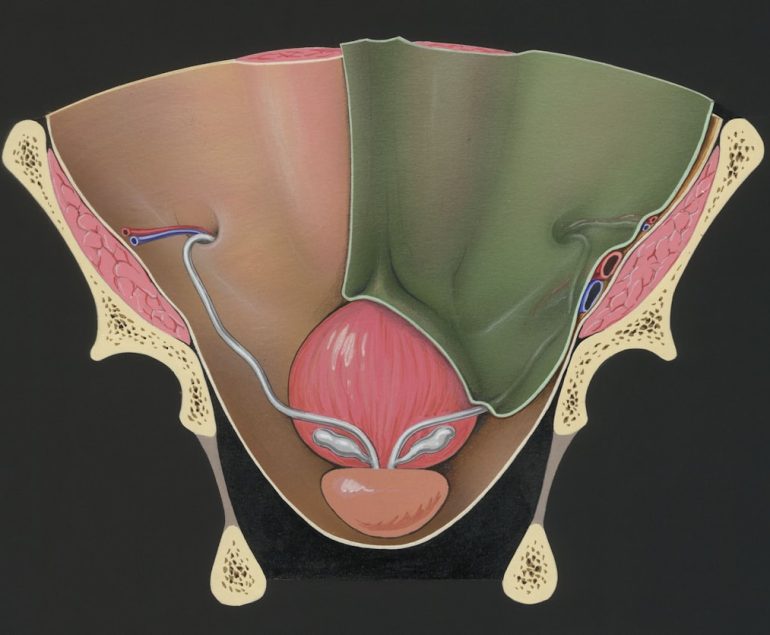
Benign prostatic hyperplasia, also known as an enlarged prostate, is a non-cancerous condition that occurs when the prostate gland becomes enlarged, putting pressure on the urethra and affecting the flow of urine. As men age, their prostate gland naturally grows, but in some cases, this growth can become excessive, leading to BPH. The condition is most common in men over the age of 50, with over 50% of men in this age group experiencing some symptoms of BPH. But what causes this enlargement, and how can you identify its symptoms?
The prostate gland plays a crucial role in the male reproductive system, producing fluids that make up semen and helping to regulate urine flow. However, when the gland becomes enlarged, it can compress the urethra, leading to a range of symptoms, including:
- Frequent urination, especially at night
- Weak or interrupted urine flow
- Painful or burning urination
- Difficulty starting or stopping urination
- Increased risk of urinary tract infections (UTIs)
- Medications: Alpha-blockers, 5-alpha-reductase inhibitors, and phosphodiesterase-5 inhibitors can help relax the muscles in the prostate and bladder, improving urine flow and reducing symptoms.
- Minimally invasive procedures: Transurethral microwave therapy (TUMT), transurethral needle ablation (TUNA), and laser therapy can help reduce the size of the prostate gland and improve urine flow.
- Surgery: Transurethral resection of the prostate (TURP), open prostatectomy, and laparoscopic prostatectomy may be recommended for more severe cases of BPH.
- Dietary changes: Eating a balanced diet rich in fruits, vegetables, and whole grains can help reduce inflammation and promote overall health. Some studies suggest that certain foods, such as pumpkin seeds, tomatoes, and bell peppers, may have a positive impact on prostate health.
- Exercise: Regular physical activity, such as walking or swimming, can help improve overall health and reduce symptoms of BPH.
- Stress management: Stress can exacerbate BPH symptoms, so it’s essential to find healthy ways to manage stress, such as through meditation, yoga, or deep breathing exercises.
- Supplements: Certain supplements, such as saw palmetto, lycopene, and zinc, may help alleviate BPH symptoms, although more research is needed to confirm their effectiveness.
- Urinary retention: Inability to empty the bladder, which can lead to UTIs, bladder stones, and kidney damage.
- Bladder stones: Small stones that form in the bladder, which can cause pain, bleeding, and infection.
- Kidney damage: Untreated BPH can lead to kidney damage and failure over time.
- Eating a balanced diet
- Exercising regularly
- Managing stress
- Getting regular check-ups with your doctor
- Avoiding smoking and excessive alcohol consumption
- BPH is a non-cancerous condition that affects the prostate gland
- Symptoms can include frequent urination, weak urine flow, and painful urination
- Diagnosis involves physical exams, medical history, and diagnostic tests
- Treatment options include medications, minimally invasive procedures, and surgery
- Lifestyle changes and natural remedies can help manage symptoms and improve overall health
- Complications can include urinary retention, bladder stones, and kidney damage, but can be prevented with early treatment and a healthy lifestyle.
If you’re experiencing any of these symptoms, it’s essential to consult with your doctor to rule out other potential causes and determine the best course of treatment.
Diagnosis and Treatment Options for BPH
Diagnosing BPH typically involves a combination of physical exams, medical history, and diagnostic tests. Your doctor may perform a digital rectal exam (DRE) to check for any abnormalities in the prostate gland, as well as order urine tests, blood tests, or imaging tests to rule out other conditions. In some cases, your doctor may also recommend a prostate-specific antigen (PSA) test to check for signs of prostate cancer.
Once diagnosed, there are several treatment options available for managing BPH symptoms. These may include:
It’s essential to work closely with your doctor to determine the best treatment plan for your specific needs and symptoms.
Lifestyle Changes and Natural Remedies for Managing BPH
While medical treatment can help alleviate BPH symptoms, there are also several lifestyle changes and natural remedies that can help manage the condition. These may include:
By incorporating these lifestyle changes and natural remedies into your daily routine, you can help manage BPH symptoms and improve your overall quality of life.
Complications and Prevention of BPH
While BPH is a non-cancerous condition, it can lead to several complications if left untreated. These may include:
To prevent these complications and reduce the risk of developing BPH, it’s essential to maintain a healthy lifestyle, including:
By taking control of your health and being proactive about your prostate health, you can reduce the risk of developing BPH and its associated complications.
Conclusion:
Benign prostatic hyperplasia is a common condition that affects millions of men worldwide, but with the right knowledge and treatment, it’s possible to manage its symptoms and take control of your health. By understanding the causes, symptoms, diagnosis, treatment options, and lifestyle changes that can help alleviate BPH, you can improve your quality of life and reduce the risk of complications. Remember to work closely with your doctor to determine the best course of treatment for your specific needs and symptoms, and don’t hesitate to reach out if you have any questions or concerns about your prostate health. Key takeaways include:
By being proactive about your prostate health and taking control of your symptoms, you can live a healthier, happier life and reduce the impact of BPH on your daily life.