As men age, they may start to notice changes in their urinary habits, such as frequent trips to the bathroom, difficulty starting to urinate, or a weak urine flow. These symptoms can be frustrating and affect a man’s quality of life, but they can also be a sign of a common condition called benign prostatic hyperplasia (BPH). Also known as an enlarged prostate, BPH affects millions of men worldwide, and it’s essential to understand its causes, symptoms, and treatment options. In this comprehensive guide, we’ll delve into the world of BPH, exploring what it is, how it’s diagnosed, and how to manage its symptoms, so you can take control of your prostate health and regain your confidence.
What is Benign Prostatic Hyperplasia (BPH)?
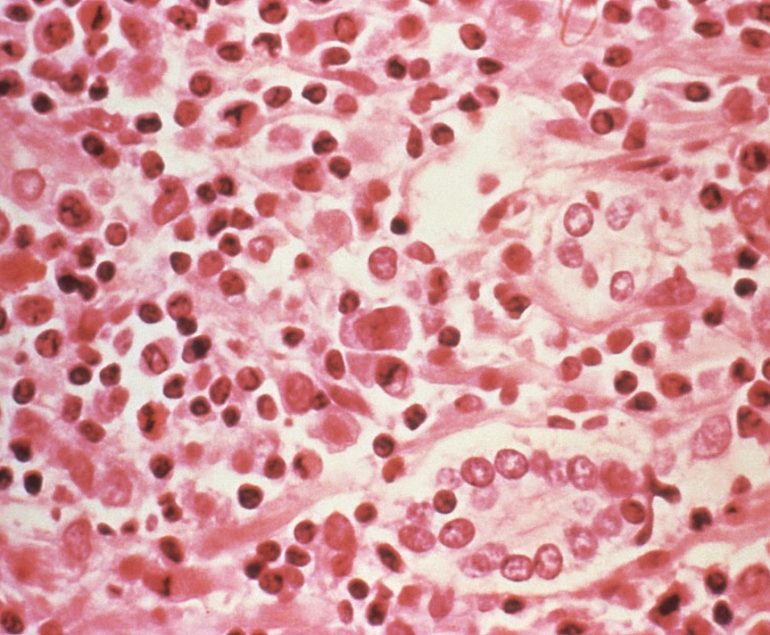
Benign prostatic hyperplasia, or BPH, is a non-cancerous enlargement of the prostate gland, a small, walnut-sized gland located below the bladder in men. The prostate gland surrounds the urethra, the tube that carries urine out of the body. As men age, the prostate gland can grow, putting pressure on the urethra and affecting urine flow. This can lead to a range of symptoms, including urinary frequency, urgency, and weakness. BPH is a common condition that affects approximately 50% of men between the ages of 51 and 60, and up to 90% of men over the age of 80.
BPH is not cancer, and it’s not a sign of prostate cancer, although having BPH can increase the risk of developing prostate cancer. The exact cause of BPH is still unknown, but it’s believed to be linked to hormonal changes, age, and genetics. Factors such as obesity, lack of exercise, and a family history of BPH can also increase the risk of developing the condition. Understanding the causes and risk factors of BPH is crucial in preventing and managing its symptoms.
Symptoms and Diagnosis of BPH
The symptoms of BPH can vary from man to man, but common signs include:
- Frequent urination, especially at night
- Difficulty starting to urinate
- Weak or interrupted urine flow
- Straining to urinate
- Painful urination
- Blood in the urine
- Urinary tract infections (UTIs)
- Urine tests to check for infections or blood
- Prostate-specific antigen (PSA) tests to check for prostate cancer
- Ultrasound or imaging tests to visualize the prostate gland
- Urodynamic tests to assess urine flow and pressure
- Drinking less fluid, especially before bedtime
- Avoiding caffeine and alcohol
- Practicing pelvic floor exercises, such as Kegel exercises
- Managing stress and anxiety
- Medications, such as alpha-blockers, 5-alpha-reductase inhibitors, or phosphodiesterase-5 inhibitors, to relax the muscles in the prostate and bladder, reduce the size of the prostate gland, or improve urine flow
- Minimally invasive procedures, such as transurethral microwave therapy (TUMT), transurethral needle ablation (TUNA), or laser therapy, to shrink or remove excess prostate tissue
- Surgery, such as transurethral resection of the prostate (TURP), open prostatectomy, or laparoscopic prostatectomy, to remove the enlarged prostate gland
- Eating a balanced diet rich in fruits, vegetables, and whole grains
- Staying hydrated, but avoiding excessive fluid intake
- Exercising regularly, including pelvic floor exercises
- Managing stress and anxiety
- Getting enough sleep
- BPH is a non-cancerous enlargement of the prostate gland that affects millions of men worldwide
- Symptoms of BPH include frequent urination, difficulty starting to urinate, and weak urine flow
- Early diagnosis and treatment can help alleviate symptoms and prevent complications
- Lifestyle changes, medications, and minimally invasive procedures can help manage symptoms
- Maintaining a healthy lifestyle and regular check-ups with your doctor can help prevent complications and promote overall prostate health.
If you’re experiencing any of these symptoms, it’s essential to consult with your doctor to rule out other conditions, such as prostate cancer or urinary tract infections. Your doctor will perform a physical exam, including a digital rectal exam (DRE), to check for any abnormalities in the prostate gland. They may also order additional tests, such as:
Early diagnosis and treatment can help alleviate symptoms and prevent complications, such as urinary retention, bladder stones, and kidney damage. Don’t hesitate to consult with your doctor if you’re experiencing any symptoms of BPH.
Treatment Options for BPH
The treatment of BPH depends on the severity of symptoms and the individual’s overall health. Mild symptoms may not require treatment, but lifestyle changes, such as:
can help alleviate symptoms. For more severe symptoms, your doctor may recommend:
It’s essential to discuss the potential benefits and risks of each treatment option with your doctor to determine the best course of action for your individual needs.
Managing BPH and Preventing Complications
While BPH is a common condition, there are steps you can take to manage its symptoms and prevent complications. Maintaining a healthy lifestyle, including:
can help alleviate symptoms and improve overall prostate health. Additionally, regular check-ups with your doctor can help monitor the progression of BPH and prevent complications.
In conclusion, benign prostatic hyperplasia (BPH) is a common condition that affects millions of men worldwide. Understanding its causes, symptoms, and treatment options is crucial in managing its symptoms and preventing complications. By maintaining a healthy lifestyle, staying informed, and consulting with your doctor, you can take control of your prostate health and regain your confidence. Remember, BPH is not a sign of prostate cancer, but it can increase the risk of developing the condition. Stay proactive, and don’t hesitate to reach out to your doctor if you’re experiencing any symptoms of BPH.
Key takeaways: